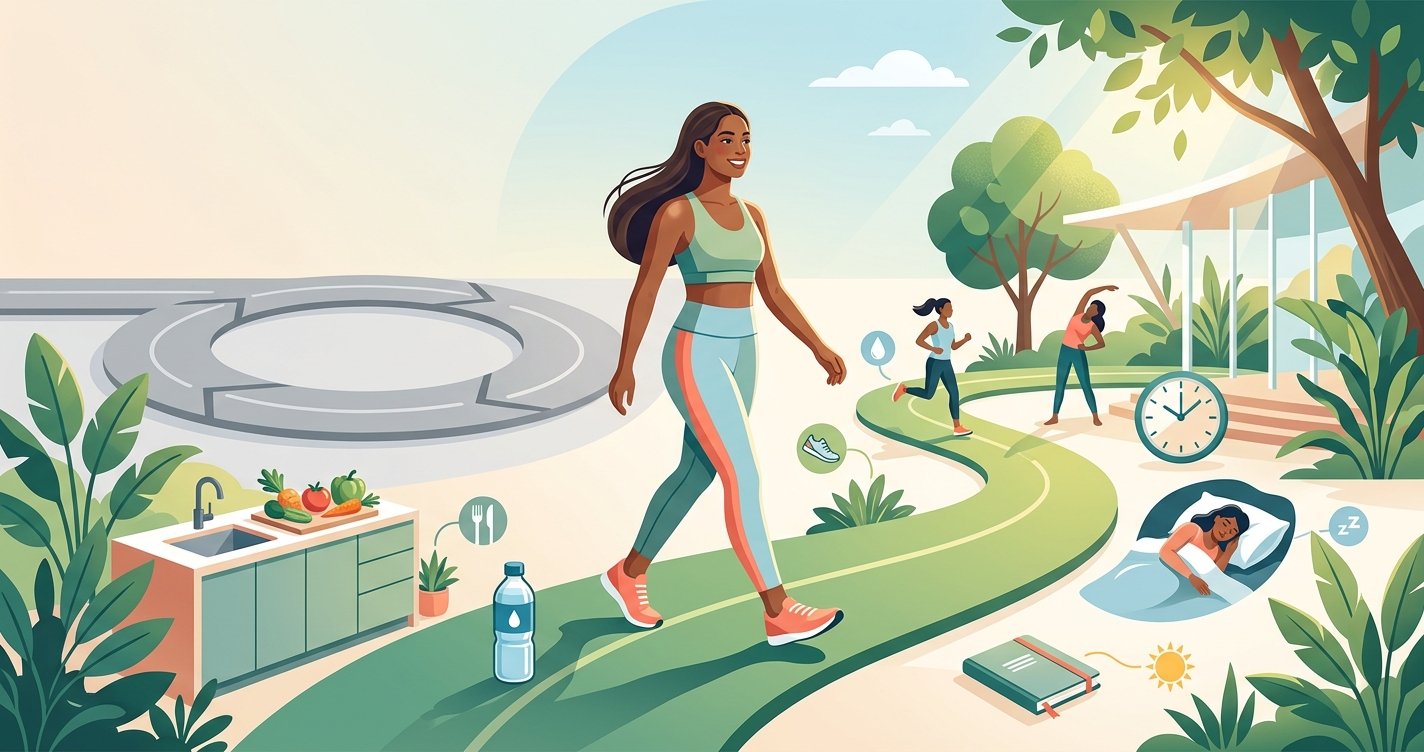
Tired of the Yo-Yo? Discover Sustainable Fat Loss Habits
Have you ever been caught in the frustrating cycle of rapid weight loss followed by an inevitable regain? It's a common story, and it often stems from chasing quick fixes and restrictive diets that are simply not sustainable in the long run. The truth is, genuine, lasting fat loss isn't about deprivation; it's about building healthy, consistent habits that support your body and mind. This isn't just about looking good, but feeling fantastic, energized, and confident in your own skin.
This guide is your friendly, evidence-based roadmap to understanding what truly drives sustainable fat loss. We'll move beyond the fads and focus on practical strategies you can integrate into your daily life, transforming not just your body composition, but your overall well-being. Get ready to ditch the diet mentality and embrace a lifestyle that works for you, forever. this excellent wellness product
The Non-Negotiable Core: Understanding the Calorie Deficit
Let's start with the fundamental science. For fat loss to occur, you need to be in a calorie deficit. This means consistently consuming fewer calories than your body expends. Think of it like this: your body needs a certain amount of energy (calories) to function each day. If you provide less energy than it needs, it will start to tap into stored energy – your body fat – to make up the difference. It's simple math, but the execution can be nuanced.
Crucially, achieving a calorie deficit doesn't mean starving yourself. Extreme deficits are counterproductive, leading to muscle loss, nutrient deficiencies, and metabolic slowdown. A moderate deficit (typically 300-500 calories below your maintenance level) is ideal for healthy, sustainable fat loss, allowing your body to adapt without feeling deprived. Understanding your Total Daily Energy Expenditure (TDEE) is a great starting point, and there are many online calculators that can help you estimate this number based on your age, weight, height, and activity level.
Fueling Your Body Right: Nutrition for Lasting Fat Loss
While a calorie deficit is key, how you achieve it makes all the difference. Focusing on nutrient-dense foods will keep you feeling full, provide essential vitamins and minerals, and support your overall health.
- Prioritize Protein: Protein is your best friend for fat loss. It's highly satiating, meaning it keeps you feeling full for longer, reducing cravings. It also has a higher thermic effect (your body burns more calories digesting it) and is crucial for preserving lean muscle mass during a deficit. Aim for a protein source with every meal: lean meats, poultry, fish, eggs, dairy, legumes, or tofu.
- Embrace Fiber-Rich Carbs: Don't fear carbohydrates! Opt for complex carbohydrates rich in fiber, such as whole grains (oats, quinoa, brown rice), fruits, and vegetables. Fiber adds bulk to your meals, aids digestion, and contributes to satiety, helping you manage your calorie intake naturally.
- Include Healthy Fats: Fats are essential for hormone production, nutrient absorption, and overall health. While calorie-dense, healthy fats (avocado, nuts, seeds, olive oil, fatty fish) contribute to satiety. Focus on portion control and choose unsaturated fats over saturated and trans fats.
- Hydrate, Hydrate, Hydrate: Often overlooked, adequate water intake is vital. Sometimes, thirst can be mistaken for hunger. Drinking plenty of water can help with satiety, boost metabolism, and keep your body functioning optimally.
- Practice Mindful Eating: Slow down, savor your food, and pay attention to your body's hunger and fullness cues. Avoid distractions like screens while eating. This practice helps you appreciate your food and prevents overeating.
Move Your Body, Boost Your Metabolism: Exercise for Real Results
Exercise isn't just about burning calories; it's a powerful tool for building strength, improving cardiovascular health, boosting mood, and enhancing your metabolism. For sustainable fat loss, a balanced approach combining strength training and cardiovascular exercise is most effective.
- Strength Training is Non-Negotiable: Lifting weights or performing bodyweight exercises is crucial for building and maintaining muscle mass. Muscle tissue is metabolically active, meaning it burns more calories at rest than fat tissue. More muscle means a higher resting metabolism, making it easier to stay in a calorie deficit and achieve long-term fat loss. Aim for 2-4 sessions per week, focusing on compound movements that work multiple muscle groups.
- Incorporate Cardiovascular Exercise: Cardio, like brisk walking, jogging, cycling, or swimming, is excellent for heart health, improving endurance, and burning additional calories. It complements strength training by creating a larger calorie deficit. Aim for at least 150 minutes of moderate-intensity cardio per week, or 75 minutes of vigorous-intensity cardio. Find activities you genuinely enjoy to ensure consistency!
- Prioritize Movement Throughout Your Day: Beyond structured workouts, look for ways to increase your Non-Exercise Activity Thermogenesis (NEAT). Take the stairs, walk during phone calls, park further away, or stand more often. Every bit of movement adds up and contributes to your daily calorie expenditure.
- Consistency Over Intensity: It's better to do something consistently than to do sporadic, intense workouts that lead to burnout. Find a routine that fits your lifestyle and gradually increase intensity as your fitness improves.
The Unsung Heroes: Sleep, Stress, and Mindset
Fat loss isn't just about diet and exercise; your lifestyle factors play a huge role. Neglecting these can sabotage even the most diligent efforts.
- Quality Sleep is Essential: Sleep deprivation wreaks havoc on your hormones. It increases ghrelin (the hunger hormone) and decreases leptin (the satiety hormone), making you feel hungrier and less satisfied. It also elevates cortisol, a stress hormone that can promote fat storage, particularly around the midsection. Aim for 7-9 hours of quality sleep per night.
- Manage Your Stress Levels: Chronic stress also leads to elevated cortisol, which, as mentioned, can hinder fat loss and encourage belly fat accumulation. Find healthy ways to manage stress: meditation, yoga, spending time in nature, hobbies, or connecting with loved ones. Emotional eating is a common response to stress, so learning coping mechanisms is vital.
- Cultivate a Positive Mindset: Fat loss is a journey, not a destination. There will be good days and challenging days. Cultivate patience, self-compassion, and resilience. Focus on progress, not perfection. Celebrate non-scale victories like increased energy, better sleep, improved strength, or clothes fitting better. Remember your 'why' and remind yourself of your long-term goals.
Building Sustainable Habits: Practical Steps for Long-Term Success
Now that you understand the pillars of sustainable fat loss, let's talk about how to actually make these changes stick.
- Start Small, Build Gradually: Don't overhaul everything at once. Pick one or two habits to focus on each week. For example, start by adding a protein source to every meal, or commit to a 15-minute walk daily. Small, consistent wins build momentum and confidence.
- Plan Ahead: Meal prepping, packing healthy snacks, or planning your workouts in advance can significantly increase your chances of success. When healthy options are readily available, you're less likely to revert to old habits.
- Track Your Progress (Beyond the Scale): While the scale can be a tool, it doesn't tell the whole story. Take measurements, progress photos, track your strength gains, or simply notice how your clothes fit. These non-scale victories are powerful motivators.
- Seek Support: Share your goals with a trusted friend, family member, or join a supportive community. Accountability can be a huge motivator. Consider working with a certified coach for personalized guidance and support.
- Be Kind to Yourself: There will be slip-ups. That's part of being human. Don't let one less-than-perfect meal or missed workout derail your entire journey. Acknowledge it, learn from it, and get back on track with your next choice. Your journey is unique, and self-compassion is key to long-term success.
Your Journey to Sustainable Fat Loss Starts Now!
Sustainable fat loss isn't about chasing fleeting results; it's about embracing a healthier, more vibrant lifestyle. By understanding the science, prioritizing nutrient-dense foods, moving your body consistently, and nurturing your mind, you're not just losing fat—you're building a foundation for lifelong health and well-being. It takes patience, consistency, and a commitment to yourself, but the rewards are immeasurable. Ditch the diet cycle and start building habits that truly last. You've got this!