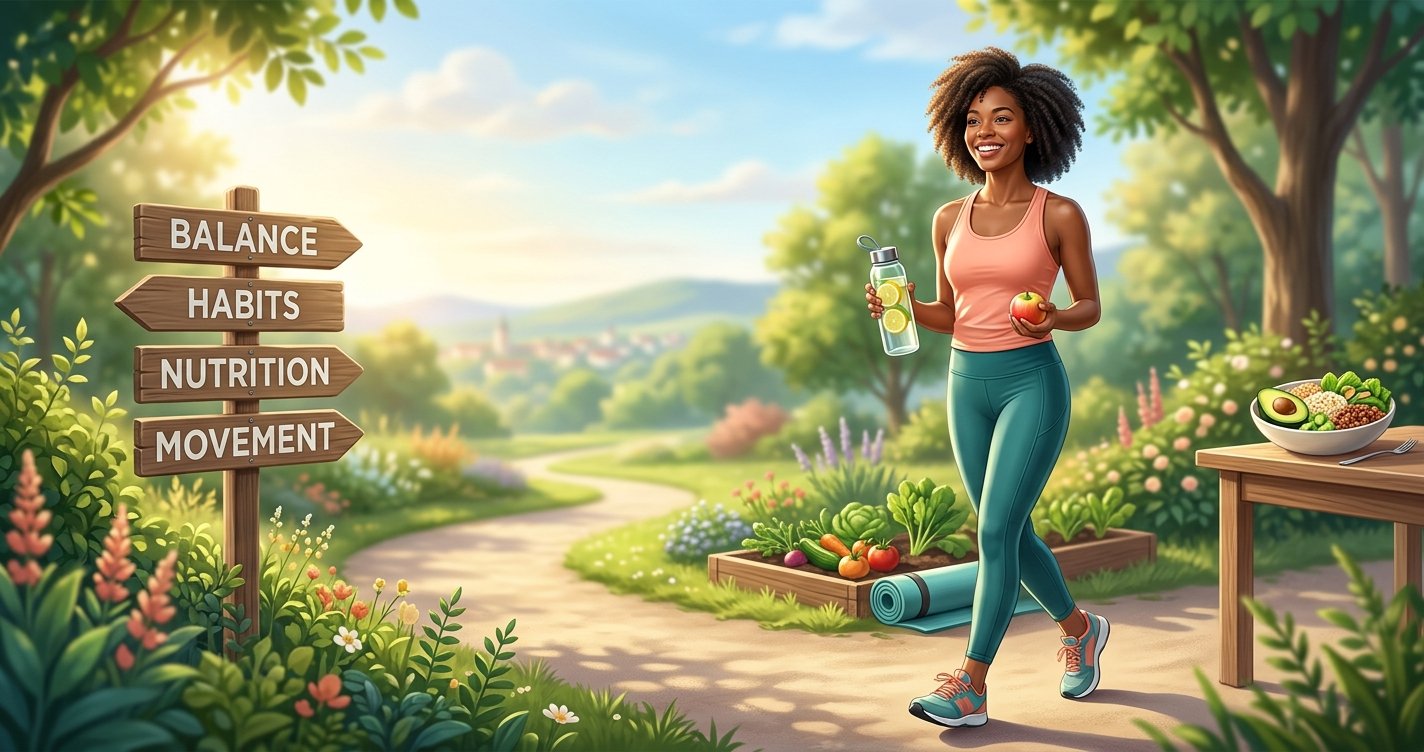
Sustainable Fat Loss: Build Habits That Last & Ditch the Yo-Yo Diet
Are you tired of the endless cycle of restrictive diets, quick fixes, and the disheartening 'yo-yo effect'? You're not alone. In a world obsessed with rapid results, it's easy to get caught up in promises that rarely deliver long-term success. But what if there was a better way? A path to fat loss that not only helps you achieve your goals but also empowers you to maintain them for good, all while fostering a healthier, happier relationship with your body?
Welcome to the world of sustainable fat loss. This isn't about deprivation or extreme measures; it's about building consistent, healthy habits that fit seamlessly into your life, supported by scientific evidence and a friendly, encouraging approach. Let's ditch the diet dogma and embrace a journey towards lasting change. this excellent wellness product
What Exactly is Sustainable Fat Loss?
Sustainable fat loss isn't a race; it's a marathon. It's the process of reducing body fat through methods that you can comfortably maintain over months and years, rather than just weeks. This approach prioritizes your overall health, mental well-being, and enjoyment of life, ensuring that the changes you make are truly integrated into your lifestyle.
- It's Realistic: No extreme calorie cuts or grueling workouts you hate.
- It's Balanced: Allows for flexibility, enjoyment of food, and social occasions.
- It's Health-Focused: Improves energy, mood, sleep, and reduces disease risk, not just scale numbers.
- It's Long-Term: Aims for permanent change, not just temporary results.
The core principle remains the same: to lose fat, you need to be in a consistent calorie deficit – consuming slightly fewer calories than your body burns. However, sustainable fat loss teaches you how to achieve this deficit in a way that feels manageable, enjoyable, and doesn't leave you feeling deprived or burnt out.
The Core Pillars of Lasting Fat Loss
Achieving sustainable fat loss requires a multi-faceted approach. It's not just about what you eat or how much you exercise; it's about optimizing several key areas of your life.
Nutrition: Fueling Your Body Smartly
Your diet plays the biggest role in creating that essential calorie deficit. But 'diet' here means your overall eating pattern, not a temporary restriction.
- Prioritize Protein: Protein is your best friend for fat loss. It's highly satiating, meaning it keeps you feeling full for longer, reducing overall calorie intake. It also helps preserve muscle mass during weight loss, which is crucial for a healthy metabolism. Aim for a good source of protein at every meal: lean meats, poultry, fish, eggs, dairy, legumes, tofu.
- Embrace Fiber-Rich Foods: Found in fruits, vegetables, whole grains, and legumes, fiber adds bulk to your meals, promotes digestive health, and further enhances satiety. Think vibrant salads, hearty whole-grain breads, and plenty of colorful veggies.
- Focus on Whole, Unprocessed Foods: These foods are generally lower in calories, higher in nutrients, and more filling than their processed counterparts. Minimize sugary drinks, ultra-processed snacks, and fast food.
- Stay Hydrated: Drinking plenty of water can help with satiety and prevent mistaking thirst for hunger. Sometimes, a glass of water is all you need!
Movement: More Than Just Burning Calories
While nutrition creates the deficit, exercise helps optimize body composition, boosts metabolism, and improves overall health and mood.
- Strength Training: Your Metabolism's Best Friend: Don't skip the weights! Building and maintaining muscle mass is critical for fat loss. Muscle is metabolically active, meaning it burns more calories at rest than fat does. Incorporate 2-4 sessions of full-body strength training per week. This could be bodyweight exercises, resistance bands, or free weights.
- Cardiovascular Exercise: Heart Health & Calorie Burn: Cardio helps burn calories and improves cardiovascular health. Find activities you enjoy – brisk walking, jogging, cycling, swimming, dancing. Aim for at least 150 minutes of moderate-intensity cardio per week.
- Everyday Activity: The Power of NEAT: Non-Exercise Activity Thermogenesis (NEAT) refers to the calories you burn from everyday movements outside of structured exercise. Think walking more, taking the stairs, standing while working, doing household chores. These small movements add up significantly over time!
Sleep: The Unsung Hero of Fat Loss
Often overlooked, sleep plays a critical role in hormonal balance and fat loss. Lack of sleep can disrupt hormones like ghrelin (hunger hormone) and leptin (satiety hormone), leading to increased cravings, especially for high-calorie, sugary foods. Aim for 7-9 hours of quality sleep per night.
Stress Management: Taming the Cortisol Beast
Chronic stress elevates cortisol levels, a hormone that can promote fat storage, particularly around the abdominal area. High stress can also lead to emotional eating and hinder your ability to stick to healthy habits. Find healthy ways to manage stress: meditation, yoga, spending time in nature, hobbies, or connecting with loved ones.
Mindset: Cultivating Patience and Self-Compassion
Sustainable fat loss is as much a mental game as it is a physical one. Be patient with yourself. Progress isn't always linear, and setbacks are a natural part of any journey. Instead of aiming for perfection, strive for consistency and resilience. Celebrate small victories, learn from challenges, and treat yourself with kindness.
Practical Tips for Building Sustainable Habits
Knowledge is power, but implementation is key. Here are actionable tips to help you integrate these pillars into your daily life:
- Start Small, Build Gradually: Don't try to overhaul everything at once. Pick one or two habits to focus on for a few weeks, master them, then add another. For example, start by adding protein to breakfast, then focus on walking 30 minutes daily.
- Plan Ahead: Meal prepping or simply planning your meals and snacks for the week can drastically reduce impulsive, unhealthy choices. Lay out your workout clothes the night before.
- Find Movement You Enjoy: If you hate running, don't force it. Explore different activities until you find something you genuinely look forward to – hiking, dancing, cycling, sports. Consistency comes from enjoyment.
- Prioritize Sleep: Create a relaxing bedtime routine. Turn off screens an hour before bed, keep your bedroom dark and cool, and try to go to bed and wake up at consistent times, even on weekends.
- Practice Mindful Eating: Pay attention to your hunger and fullness cues. Eat slowly, savor your food, and put away distractions like phones or TV during meals.
- Seek Support: Share your goals with a supportive friend or family member, join a fitness group, or consider working with a qualified coach. Accountability and encouragement can make a huge difference.
- Don't Fear 'Bad' Foods: No food is inherently 'bad.' The 80/20 rule can be very effective: aim for nutritious choices 80% of the time, and allow yourself to enjoy treats in moderation for the remaining 20%. This prevents feelings of deprivation and makes your eating plan sustainable.
The Journey, Not the Destination
Remember, sustainable fat loss isn't about reaching a finish line and then going back to old habits. It's about creating a healthier, stronger, and more vibrant you for life. There will be good days and challenging days, but by focusing on consistent, small improvements and treating your body with respect, you'll build habits that not only help you achieve your fat loss goals but also enhance your overall well-being.
Embrace the process, celebrate your progress, and trust that with patience and persistence, you can achieve lasting results without sacrificing your happiness or health. You've got this!