Unlock Lasting Fat Loss: Build Sustainable Habits, Ditch the Yo-Yo Dieting Cycle
Are you tired of the endless cycle of crash diets, rapid weight loss followed by even faster regain? You're not alone. Many of us have been there, chasing quick fixes that promise the world but deliver only frustration. The truth is, sustainable fat loss isn't about deprivation or extreme measures; it's about building healthy, consistent habits that seamlessly integrate into your life, leading to lasting results and a healthier, happier you.
In this guide, we'll explore an evidence-based, friendly approach to fat loss that prioritizes long-term well-being over temporary wins. We'll delve into practical strategies for nutrition, movement, and mindset, helping you cultivate a lifestyle that supports your goals without feeling like a constant battle. Let's ditch the diet mentality and embrace a path to sustainable success! this excellent wellness product
The Core Principle: A Gentle Calorie Deficit
At its heart, fat loss boils down to one fundamental principle: consuming fewer calories than your body expends. This creates a calorie deficit, prompting your body to tap into its stored fat reserves for energy. However, the key word here is gentle.
Aggressive calorie restriction often backfires, leading to muscle loss, nutrient deficiencies, plummeting energy levels, and intense cravings that make adherence impossible. A gentle deficit, typically 300-500 calories below your maintenance level, allows for steady, sustainable fat loss (around 1-2 pounds per week) while preserving muscle mass and keeping your energy and mood stable. It's about making small, manageable adjustments that you can stick with for the long haul, rather than drastic cuts that leave you feeling deprived.
Fueling Your Body Right: Nutrition for Sustainable Fat Loss
Nutrition is arguably the most crucial component of fat loss. It's not about eating less; it's about eating smarter. Focus on whole, unprocessed foods that nourish your body and keep you feeling full and satisfied.
Prioritize Protein
Protein is your best friend when it comes to fat loss. It's highly satiating, meaning it helps you feel full for longer, reducing overall calorie intake. Furthermore, protein has a higher thermic effect of food (TEF) than carbs or fats, meaning your body burns more calories digesting it. Aim for 0.7-1 gram of protein per pound of body weight daily, spread across your meals. Think lean meats, poultry, fish, eggs, dairy, legumes, and plant-based protein sources.
Embrace Fiber-Rich Carbs
Don't be afraid of carbohydrates! The right carbs, rich in fiber, are essential for energy, digestive health, and satiety. Whole grains (oats, quinoa, brown rice), fruits, and vegetables are packed with fiber, which helps regulate blood sugar, keeps you feeling full, and supports a healthy gut. Limit highly processed, refined carbohydrates that offer little nutritional value and can spike blood sugar.
Don't Fear Healthy Fats
Healthy fats are vital for hormone production, nutrient absorption, and satiety. While calorie-dense, incorporating moderate amounts of healthy fats from sources like avocados, nuts, seeds, olive oil, and fatty fish (like salmon) can significantly contribute to feeling satisfied and preventing cravings. Portion control is key here.
Hydration is Key
Drinking enough water is a simple yet powerful fat loss tool. Water can help you feel fuller, boost metabolism slightly, and is essential for countless bodily functions. Sometimes, thirst can be mistaken for hunger, so sipping water throughout the day can prevent unnecessary snacking.
Mindful Eating Practices
Beyond what you eat, how you eat matters. Practice mindful eating by slowing down, savoring each bite, and paying attention to your body's hunger and fullness cues. This helps prevent overeating and fosters a healthier relationship with food.
Move Your Body, Love Your Body: Exercise for Lasting Results
While nutrition creates the deficit, exercise helps optimize body composition, boosts metabolism, and improves overall health. It's about finding movement you enjoy and can stick with.
The Power of Strength Training
Strength training is incredibly powerful for fat loss. Building and maintaining muscle mass is crucial because muscle is metabolically active, meaning it burns more calories at rest than fat tissue. Aim for 2-3 full-body strength training sessions per week. You don't need a gym; bodyweight exercises, resistance bands, or dumbbells at home are great starting points.
Cardio for Heart Health and Calorie Burn
Cardiovascular exercise, like brisk walking, jogging, cycling, or swimming, is excellent for burning calories, improving heart health, and boosting your mood. Integrate 150-300 minutes of moderate-intensity cardio per week, or shorter bursts of high-intensity interval training (HIIT) if suitable for your fitness level. Find activities you genuinely enjoy to make it sustainable.
The Importance of NEAT (Non-Exercise Activity Thermogenesis)
Don't underestimate the power of simply moving more throughout your day. NEAT includes all the calories you burn from activities that aren't formal exercise, such as walking, fidgeting, taking the stairs, or doing household chores. Small increases in NEAT can significantly contribute to your overall calorie expenditure.
Beyond Diet and Exercise: The Hidden Pillars of Fat Loss
Fat loss isn't just about food and movement; lifestyle factors play a massive role in your body's ability to burn fat effectively.
Sleep Smarter, Not Just Longer
Quality sleep is non-negotiable for fat loss. When you're sleep-deprived, your body produces more ghrelin (the hunger hormone) and less leptin (the satiety hormone), leading to increased cravings and a higher likelihood of overeating. Aim for 7-9 hours of quality sleep per night to support hormone balance, recovery, and energy levels.
Master Your Stress
Chronic stress elevates cortisol levels, a hormone that can promote fat storage, especially around the abdominal area. Find healthy ways to manage stress, whether it's through meditation, yoga, spending time in nature, journaling, or connecting with loved ones. Reducing stress can have a profound impact on your body composition and overall well-being.
Cultivate a Positive Mindset
Your mindset is a powerful tool. Instead of viewing fat loss as a punishment or a temporary fix, see it as an investment in your health and future. Celebrate small victories, practice self-compassion, and focus on progress, not perfection. A positive, patient outlook makes the journey far more enjoyable and sustainable.
Building Habits That Stick: Small Changes, Big Impact
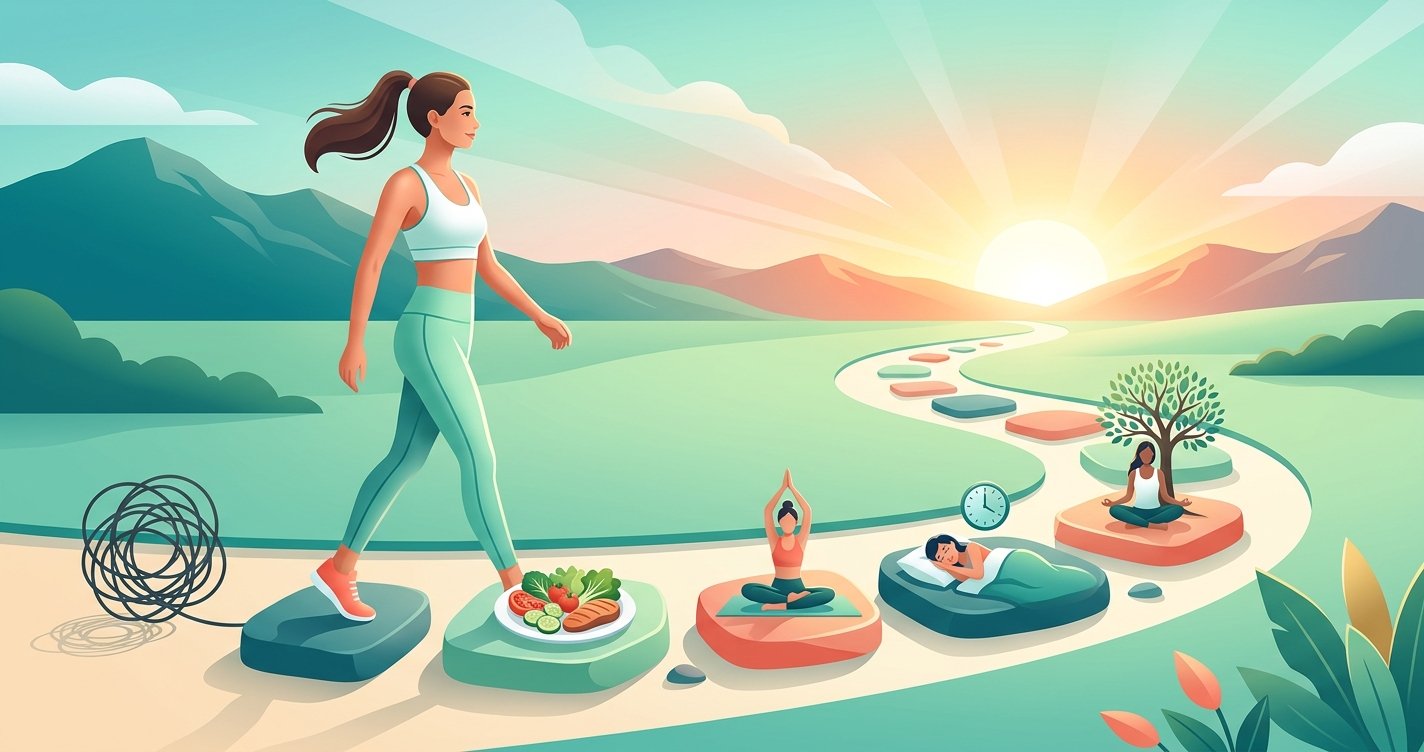
The secret to sustainable fat loss lies in turning these strategies into consistent habits. Don't try to overhaul everything at once. Pick one or two small changes you can realistically implement and stick with for a few weeks before adding another.
- Start Small: Instead of cutting out all sugar, try reducing your added sugar intake by one serving a day.
- Be Consistent: Regularity beats intensity. A moderate workout you do consistently is better than an intense one you do once a month.
- Track Progress (Beyond the Scale): While the scale is one metric, also track non-scale victories like increased energy, better sleep, clothes fitting differently, or improved strength.
- Plan Ahead: Meal prepping, scheduling workouts, and preparing healthy snacks can prevent reactive, less healthy choices.
- Seek Support: Share your goals with a friend, family member, or join a supportive community. Accountability can be a powerful motivator.
Your Journey to Lasting Change Starts Now
Sustainable fat loss isn't a race; it's a marathon of consistent, healthy choices. By focusing on a gentle calorie deficit, nourishing your body with whole foods, incorporating regular movement, prioritizing sleep and stress management, and cultivating a positive mindset, you're not just losing weight; you're building a healthier, more vibrant life.
Ditch the guilt, embrace the journey, and trust the process. You have the power to create lasting change, one sustainable habit at a time. What small step will you take today?