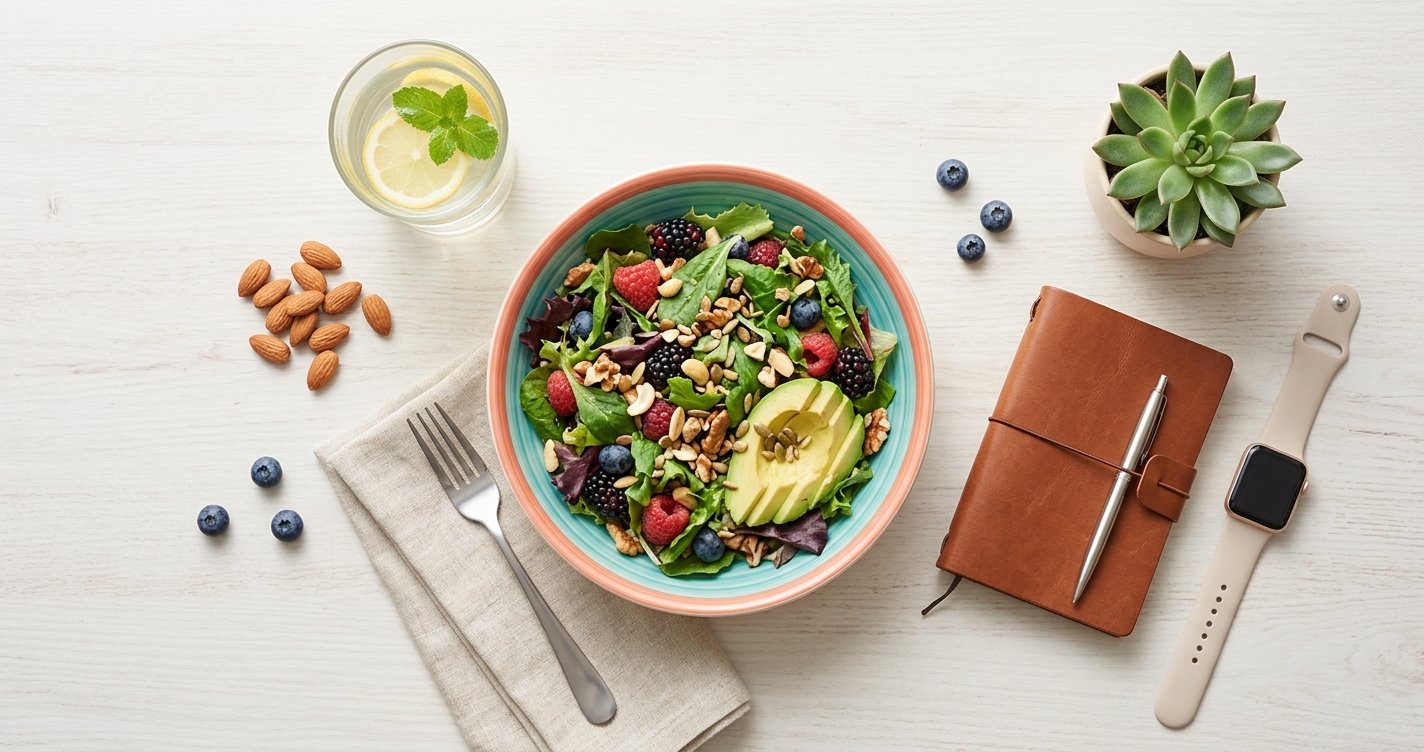
Are you tired of the endless cycle of restrictive diets, quick fixes, and disappointing rebounds? You're not alone. The pursuit of fat loss often feels like a roller coaster – intense effort, some initial success, followed by frustration and regaining the weight. But what if there was a different path? A path focused not on deprivation, but on building sustainable habits that lead to lasting results and a healthier, happier you?
This isn't about magic pills or extreme workouts. It's about understanding your body, making informed choices, and fostering consistency over perfection. Let's dive into the evidence-based strategies that can help you achieve sustainable fat loss and keep it off for good. this excellent wellness product
Understanding the Foundation: The Calorie Deficit (Without Starving Yourself!)
At its core, fat loss boils down to a simple principle: consuming fewer calories than your body expends. This is known as a calorie deficit. However, where many go wrong is trying to create too large a deficit too quickly, leading to extreme hunger, nutrient deficiencies, and eventual burnout.
A sustainable calorie deficit is typically modest – around 300-500 calories below your daily maintenance needs. This allows for gradual fat loss (1-2 pounds per week) without feeling constantly deprived or sacrificing essential nutrients. The key is to achieve this deficit by focusing on nutrient-dense foods that keep you full and energized, rather than simply eating less of everything.
How to Create a Healthy Calorie Deficit:
- Track Your Intake (Initially): Use an app for a few days to understand your current eating habits. You might be surprised by hidden calories.
- Prioritize Whole Foods: Fruits, vegetables, lean proteins, and whole grains are naturally lower in calories and higher in nutrients and fiber.
- Portion Control: Be mindful of serving sizes, especially for calorie-dense foods like nuts, oils, and sauces.
- Don't Skip Meals: Regular meals help regulate blood sugar and prevent extreme hunger that can lead to overeating.
Fueling Your Body Smartly: Nutrition for Lasting Results
While a calorie deficit is paramount, the *quality* of those calories significantly impacts your energy levels, satiety, and overall health. Smart nutrition is the bedrock of sustainable fat loss.
Protein: Your Best Friend for Fat Loss
Protein is incredibly important. It's the most satiating macronutrient, meaning it helps you feel fuller for longer, reducing the urge to snack. It also plays a crucial role in preserving muscle mass during a calorie deficit, which is vital for maintaining a healthy metabolism. Aim for 0.7-1 gram of protein per pound of body weight daily from sources like lean meats, poultry, fish, eggs, dairy, legumes, and plant-based protein powders.
Fiber: The Gut-Friendly Satiety Booster
Found abundantly in fruits, vegetables, whole grains, and legumes, fiber adds bulk to your meals without adding many calories. It slows digestion, stabilizes blood sugar, and supports a healthy gut microbiome – all factors that contribute to sustained energy and appetite control.
Healthy Fats: Essential, Not Evil
Don't fear fats! Healthy fats (found in avocados, nuts, seeds, olive oil, fatty fish) are crucial for hormone production, nutrient absorption, and satiety. While calorie-dense, incorporating moderate amounts can help you feel satisfied and prevent cravings. Focus on unsaturated fats and limit trans fats.
Hydration: Often Overlooked, Always Important
Drinking plenty of water is simple yet effective. Sometimes, thirst can be mistaken for hunger. Water also aids in digestion and helps your body function optimally. Keep a water bottle handy and sip throughout the day.
Moving Your Body: Exercise Beyond the Treadmill
Exercise is a powerful tool for fat loss, not just for burning calories, but for building muscle, improving metabolism, and boosting mood. However, it doesn't have to be hours of grueling cardio.
Strength Training: The Muscle-Building Game Changer
If you do one thing, make it strength training. Building and maintaining muscle mass is critical because muscle burns more calories at rest than fat. This means a more efficient metabolism even when you're not exercising. Aim for 2-4 strength training sessions per week, focusing on compound movements (squats, deadlifts, presses, rows).
Cardio: For Heart Health and Calorie Burn
Cardiovascular exercise is excellent for heart health, endurance, and burning additional calories. Incorporate a mix of steady-state cardio (walking, cycling, swimming) and perhaps some high-intensity interval training (HIIT) if appropriate for your fitness level. Remember, consistency is more important than intensity.
NEAT: Move More Throughout Your Day
Non-Exercise Activity Thermogenesis (NEAT) refers to the calories burned through activities that are not formal exercise – walking, standing, fidgeting, taking the stairs. Small increases in NEAT can make a significant difference over time. Park further away, take standing breaks, walk during phone calls.
The Unsung Heroes: Sleep, Stress, and Mindset
You can eat perfectly and exercise diligently, but if you neglect these crucial lifestyle factors, your fat loss journey will be an uphill battle.
Sleep: The Ultimate Regulator
Lack of sleep disrupts hormones that regulate appetite (ghrelin and leptin), making you hungrier and more prone to craving unhealthy foods. It also increases cortisol, a stress hormone linked to belly fat storage. Aim for 7-9 hours of quality sleep per night.
Stress Management: Taming Cortisol
Chronic stress also elevates cortisol, which can promote fat storage, especially around the midsection. Find healthy ways to manage stress: meditation, yoga, spending time in nature, hobbies, or talking to a trusted friend. Prioritizing self-care isn't selfish; it's essential for your health and fat loss goals.
Mindset: Patience, Consistency, and Self-Compassion
Fat loss is a marathon, not a sprint. Embrace patience and understand that progress isn't always linear. Focus on consistency – small, repeatable actions done regularly – rather than striving for perfection. Be kind to yourself; setbacks happen, and that's okay. Learn from them and get back on track without self-blame.
Building Habits That Stick: Small Changes, Big Impact
The secret to sustainable fat loss isn't finding the perfect diet; it's creating habits that seamlessly integrate into your life.
- Start Small: Don't overhaul everything at once. Pick one or two habits to focus on (e.g., adding protein to every meal, walking 30 minutes daily) and master them before adding more.
- Consistency Over Intensity: A moderate plan you can stick to long-term is far more effective than an extreme plan you abandon after a few weeks.
- Track Your Progress (Beyond the Scale): While the scale is one metric, also track non-scale victories: improved energy, better sleep, clothes fitting differently, increased strength, better mood.
- Plan Ahead: Meal prepping, planning your workouts, and scheduling sleep can dramatically increase your success rate.
- Deal with Plateaus Gracefully: Plateaus are normal. Don't panic. Re-evaluate your intake, increase activity, or adjust your strength training. Sometimes, simply staying consistent will break through it.
Dispelling Common Fat Loss Myths
Before we conclude, let's quickly bust some prevalent myths that often derail sustainable efforts:
- Myth: Quick fixes and crash diets work. Reality: They might offer temporary results, but they are unsustainable and often lead to nutrient deficiencies, muscle loss, and rebound weight gain.
- Myth: You can spot reduce fat. Reality: You can't choose where your body loses fat from. Overall fat loss will reduce fat from all areas.
- Myth: Carbs are the enemy. Reality: Complex carbohydrates (whole grains, fruits, vegetables) provide essential energy and fiber. Portion control and choosing the right types are key.
- Myth: Fasting is a magic bullet. Reality: Intermittent fasting can be a tool for some to create a calorie deficit, but it's not inherently superior to other methods and doesn't work for everyone. The underlying principle of calorie deficit still applies.
Embrace Your Journey to Lasting Health
Sustainable fat loss isn't about chasing an arbitrary number on the scale; it's about building a healthier, stronger, more energetic you. It’s a journey of self-discovery, consistency, and self-compassion. By focusing on a balanced calorie deficit, smart nutrition, effective exercise, and crucial lifestyle factors like sleep and stress management, you can ditch the yo-yo dieting cycle for good.
Start today by picking one small, positive change. Be patient with yourself, celebrate every victory, and remember that every consistent step forward is a step towards a healthier, more vibrant future. You've got this!