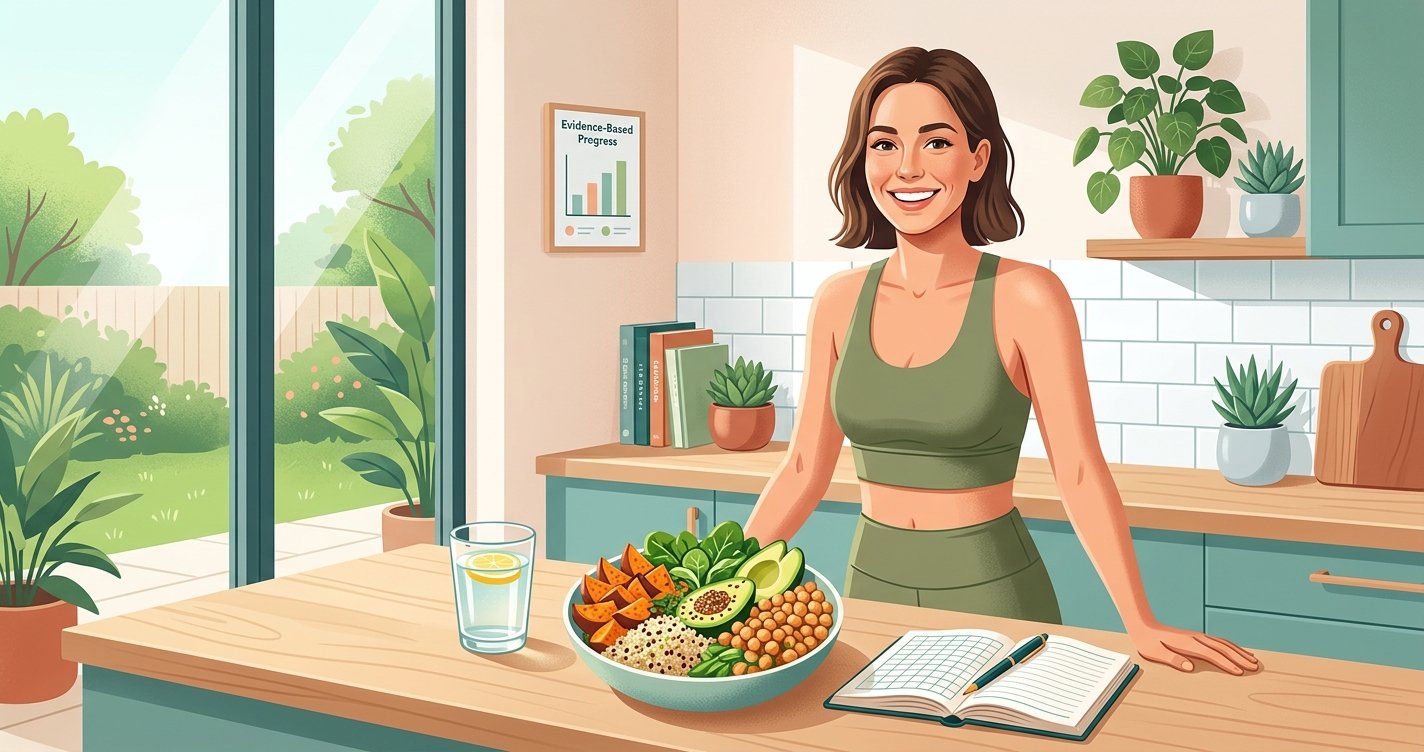
Tired of the endless cycle of restrictive diets, quick fixes, and the dreaded 'yo-yo effect'? You're not alone. The journey to sustainable fat loss often feels like a confusing maze, filled with conflicting advice and empty promises. But what if we told you there's a more effective, enjoyable, and lasting way to achieve your goals? It's not about deprivation; it's about building healthy, consistent habits that serve your body and mind for the long run.
This guide will cut through the noise, offering you an evidence-based roadmap to sustainable fat loss. We'll explore practical strategies for nutrition, exercise, sleep, and stress management, empowering you to create a lifestyle that supports your goals without sacrificing your well-being. Get ready to ditch the quick fixes and embrace a healthier, happier you! this excellent wellness product
The Truth About Fat Loss: Why Quick Fixes Fail
The allure of rapid weight loss is strong, but often, the methods promising instant results are unsustainable and can even be detrimental. Extreme calorie restriction, detox cleanses, or miracle pills might lead to a quick drop on the scale, but much of this is usually water weight or even muscle loss. The body is incredibly adaptable, and when faced with severe deprivation, it enters 'survival mode.'
This often leads to a phenomenon called metabolic adaptation, where your resting metabolic rate slows down to conserve energy. When you inevitably return to a more normal eating pattern, your now slower metabolism is more prone to storing excess calories as fat, leading to the dreaded weight regain, often surpassing your initial starting point. Sustainable fat loss isn't a sprint; it's a marathon built on gradual, consistent progress and a deep understanding of how your body truly works.
Fueling Your Body for Sustainable Fat Loss: Smart Nutrition Choices
Nutrition is the cornerstone of any fat loss journey. It’s not about perfection, but about making informed choices that nourish your body while gently nudging it towards your goals.
Calorie Deficit: The Non-Negotiable Foundation
At its heart, fat loss boils down to a simple principle: consuming fewer calories than your body burns. This is known as a calorie deficit. However, 'fewer' doesn't mean 'starving.' A moderate deficit (typically 300-500 calories below your maintenance level) is ideal for sustainable fat loss, allowing your body to tap into fat stores without feeling overly deprived or triggering severe metabolic slowdown. Tools like online calculators can help estimate your maintenance calories, but listening to your body and tracking intake for a few days can give you a more personalized starting point.
Protein Power: Your Fat Loss Ally
If there's one macronutrient to prioritize for fat loss, it's protein. Here's why:
- Satiety: Protein is incredibly filling, helping you feel fuller for longer and reducing overall calorie intake.
- Muscle Preservation: When in a calorie deficit, adequate protein intake helps preserve lean muscle mass, which is crucial for maintaining a healthy metabolism.
- Thermic Effect: Protein has a higher thermic effect of food (TEF) compared to carbs and fats, meaning your body burns more calories digesting and metabolizing it.
Aim for 1.6-2.2 grams of protein per kilogram of body weight. Incorporate lean meats, poultry, fish, eggs, dairy, legumes, and plant-based protein sources into every meal.
Carbohydrates and Fats: Quality Over Quantity
No need to demonize carbs or fats! Both are essential for energy, hormone production, and overall health. The key is choosing wisely:
- Complex Carbohydrates: Opt for whole grains (oats, brown rice, quinoa), fruits, and vegetables. These are rich in fiber, which aids digestion, promotes satiety, and stabilizes blood sugar.
- Healthy Fats: Include sources like avocados, nuts, seeds, olive oil, and fatty fish. These provide essential fatty acids, support hormone function, and contribute to satiety.
Limit highly processed foods, sugary drinks, and unhealthy trans fats, as they offer little nutritional value and often contribute to excess calorie intake without promoting fullness.
Hydration: Often Overlooked, Always Important
Don't underestimate the power of water! Staying adequately hydrated supports metabolism, aids in nutrient transport, and can even help curb appetite (sometimes thirst is mistaken for hunger). Aim for at least 8 glasses of water daily, more if you're active or in a hot climate.
Move Your Body: Exercise for Lasting Results
While nutrition is king for fat loss, exercise is your powerful queen. It complements your dietary efforts, boosts metabolism, and offers a myriad of health benefits beyond just burning calories.
Strength Training: Your Metabolic Booster
Strength training is arguably the most underrated tool for fat loss. Building and maintaining muscle mass is vital because muscle tissue is metabolically active, meaning it burns more calories at rest than fat tissue. This helps counteract any metabolic slowdown from a calorie deficit. Aim for 2-4 strength training sessions per week, focusing on compound movements that work multiple muscle groups.
Cardio: For Heart Health and Calorie Burn
Cardiovascular exercise, often called 'cardio,' burns calories, improves heart health, and boosts endurance. Whether it's brisk walking, jogging, cycling, swimming, or dancing, find an activity you enjoy and can stick with. Aim for 150-300 minutes of moderate-intensity cardio or 75-150 minutes of vigorous-intensity cardio per week.
NEAT: The Unsung Hero of Daily Activity
Non-Exercise Activity Thermogenesis (NEAT) refers to the calories burned from everything you do that isn't formal exercise or sleeping. This includes walking, fidgeting, standing, taking the stairs, and even housework. Boosting your NEAT can significantly increase your daily calorie expenditure without feeling like a workout. Look for opportunities to move more throughout your day!
Beyond Diet and Exercise: The Holistic Pillars
Sustainable fat loss isn't just about what you eat or how you move; it's deeply intertwined with your overall lifestyle. Neglecting these crucial pillars can sabotage even the best nutrition and exercise plans.
Sleep: The Secret Weapon for Fat Loss
When you don't get enough quality sleep, your body's delicate hormonal balance goes awry. Levels of ghrelin (the hunger hormone) increase, while leptin (the satiety hormone) decreases, leading to increased cravings and a tendency to overeat. Additionally, poor sleep elevates cortisol levels, which can promote belly fat storage. Aim for 7-9 hours of quality sleep per night to support your fat loss efforts and overall well-being.
Stress Management: Taming the Cortisol Beast
Chronic stress, like lack of sleep, can significantly impact fat loss. When stressed, your body releases cortisol, which, over time, can lead to increased appetite, cravings for unhealthy foods, and a tendency to store fat around the midsection. Incorporate stress-reducing activities into your daily routine, such as meditation, yoga, spending time in nature, reading, or engaging in hobbies you enjoy.
Consistency and Patience: The Real Game Changers
Fat loss is rarely linear. There will be plateaus, fluctuations, and moments of frustration. The key is not to give up. Consistency, even when imperfect, triumphs over sporadic perfection. Be patient with yourself, celebrate small victories, and remember that building lasting habits takes time. Focus on the process, not just the outcome.
Building Your Sustainable Fat Loss Roadmap
Ready to embark on your journey? Here are some actionable steps to get started:
- Start Small: Don't try to overhaul everything at once. Pick one or two habits to focus on first, like increasing protein intake or adding a daily walk.
- Focus on Whole Foods: Prioritize nutrient-dense, unprocessed foods that fuel your body and keep you full.
- Prioritize Protein: Make sure every meal includes a good source of lean protein.
- Move More, Formally and Informally: Incorporate strength training and cardio, and look for ways to increase your daily NEAT.
- Optimize Sleep: Create a consistent sleep schedule and a relaxing bedtime routine.
- Manage Stress: Find healthy outlets for stress reduction that work for you.
- Track Progress Beyond the Scale: Measure body composition, energy levels, mood, strength gains, and how your clothes fit.
- Seek Support: Share your goals with friends or family, or consider working with a coach or dietitian.
- Be Kind to Yourself: This is a journey, not a race. Embrace imperfections and learn from setbacks.
Conclusion: Your Journey to a Healthier, Happier You
Sustainable fat loss isn't about chasing fleeting results; it's about making peace with your body, understanding its needs, and building a lifestyle that supports your health and happiness for years to come. By focusing on evidence-based nutrition, consistent movement, quality sleep, and effective stress management, you're not just losing fat—you're gaining vitality, confidence, and a lifelong appreciation for your incredible body.
Ditch the diets, embrace the habits, and trust the process. You've got this!