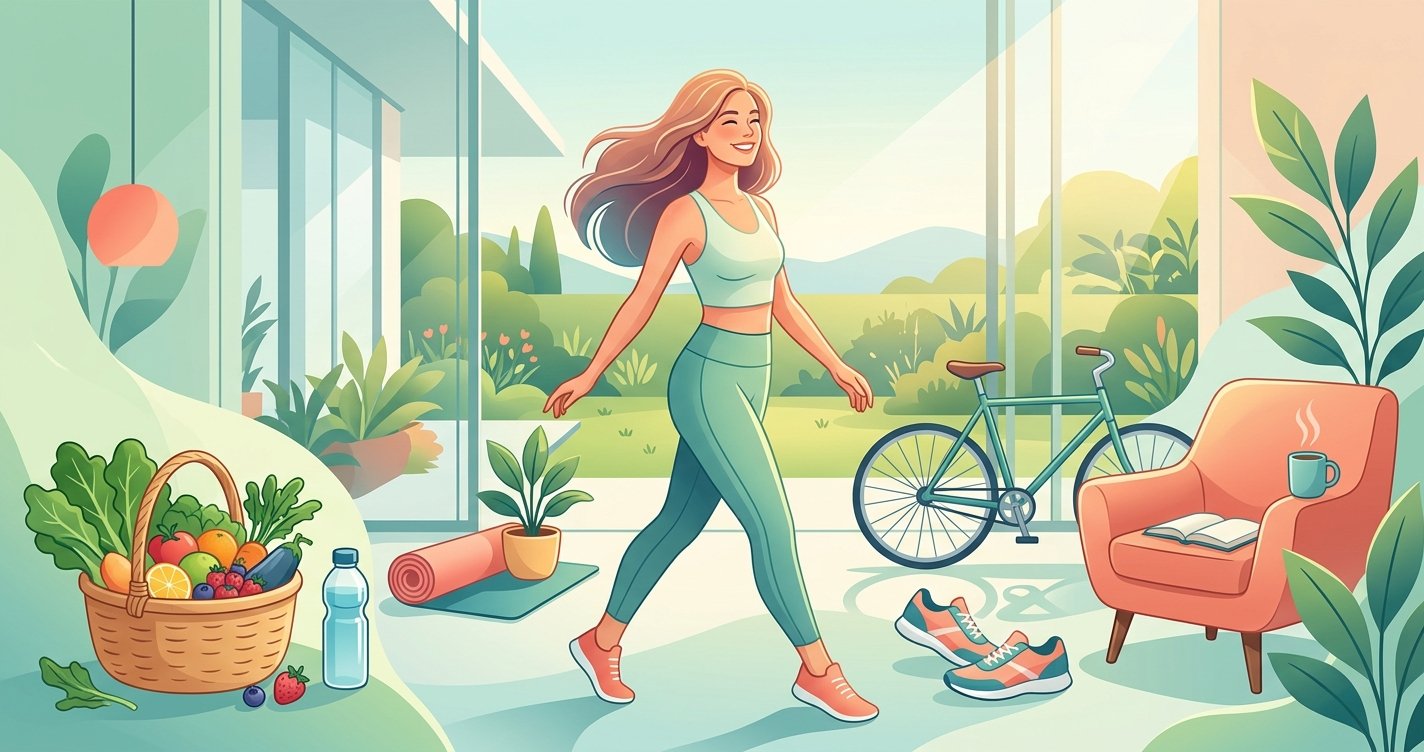
Are you tired of the endless cycle of restrictive diets, quick fixes, and the inevitable rebound? Many of us have been there, chasing the latest fad in the hopes of shedding those stubborn pounds. But what if there was a better way? A path to fat loss that doesn't involve deprivation or extreme measures, but rather a focus on building lasting habits that support your health and well-being for the long haul?
Welcome to the world of sustainable fat loss. This isn't about a destination; it's about the journey of transforming your lifestyle, one positive choice at a time. Forget the notion of 'quick fixes' – true, lasting fat loss comes from consistent, enjoyable changes that you can maintain indefinitely. Let's explore how to cultivate these powerful habits and achieve the results you've always wanted, without sacrificing your sanity. this excellent wellness product
Beyond the Scale: Redefining Fat Loss Success
Before we dive into specific habits, let's shift our perspective. Often, we define fat loss purely by the number on the scale. While weight loss is a component, sustainable success encompasses so much more. It's about:
- Body Composition: Losing fat while preserving or even building muscle. Muscle is metabolically active, helping you burn more calories at rest.
- Energy Levels: Feeling more vibrant and energetic throughout your day.
- Improved Health Markers: Better blood pressure, cholesterol, blood sugar, and overall cardiovascular health.
- Enhanced Mood & Confidence: Feeling good in your own skin and having a positive outlook.
- Sustainable Habits: The ability to maintain your new lifestyle without feeling deprived or constantly battling cravings.
When you focus on these broader indicators of health and progress, the journey becomes far more rewarding and motivating. The scale is just one piece of a much larger, more beautiful puzzle.
The Power of the Plate: Nutrition Habits for Lasting Results
Nutrition is undeniably a cornerstone of fat loss. But instead of focusing on what you can't eat, let's focus on what you can add to nourish your body and support your goals.
Prioritize Protein and Fiber
Protein is your best friend for fat loss. It helps you feel fuller for longer, reduces cravings, and is essential for preserving muscle mass while you're in a calorie deficit. Aim for a lean protein source with every meal:
- Chicken breast, turkey, lean beef
- Fish and seafood
- Eggs, Greek yogurt, cottage cheese
- Legumes, tofu, tempeh
Fiber, found in fruits, vegetables, and whole grains, also contributes to satiety and supports a healthy digestive system. Fill at least half your plate with colorful vegetables at lunch and dinner.
Mindful Eating and Portion Awareness
In our fast-paced world, it's easy to eat on autopilot. Mindful eating means paying attention to your food, savoring each bite, and recognizing your body's hunger and fullness cues. This isn't about restrictive counting, but about becoming more attuned to your body's signals.
- Eat slowly, without distractions.
- Chew your food thoroughly.
- Pause halfway through your meal to check in with your hunger levels.
- Use smaller plates to help manage portions visually.
Hydration is Key
Often overlooked, adequate water intake is crucial. Water helps with metabolism, can reduce feelings of hunger (sometimes thirst is mistaken for hunger), and supports overall bodily functions. Aim for at least 8 glasses of water a day, more if you're active.
Move Your Body, Fuel Your Progress: Exercise Beyond Cardio
While cardiovascular exercise is great for heart health and burning calories, strength training is a non-negotiable for sustainable fat loss.
Embrace Strength Training
Building muscle is like giving your metabolism a permanent boost. The more muscle you have, the more calories your body burns, even at rest. Aim for 2-4 strength training sessions per week, targeting all major muscle groups. You can use weights, resistance bands, or even your own body weight.
Benefits of Strength Training:
- Increases resting metabolic rate
- Improves body composition (more muscle, less fat)
- Enhances bone density and joint health
- Boosts confidence and functional strength
Find Movement You Enjoy
Consistency is king when it comes to exercise. If you dread your workouts, you won't stick with them. Experiment with different activities until you find something you genuinely enjoy – dancing, hiking, swimming, cycling, yoga, sports. The best exercise is the one you'll do regularly.
Increase Non-Exercise Activity Thermogenesis (NEAT)
NEAT refers to the calories burned through everyday activities that aren't formal exercise. This can significantly contribute to your overall calorie expenditure.
- Take the stairs instead of the elevator.
- Park further away.
- Walk or cycle for short errands.
- Stand up and move around frequently if you have a desk job.
- Go for a post-dinner walk.
The Unsung Heroes: Sleep, Stress, and Hydration
You can eat perfectly and train hard, but if you neglect these three, your fat loss efforts will be an uphill battle.
Prioritize Quality Sleep
Lack of sleep throws your hunger hormones out of whack. It increases ghrelin (the hunger hormone) and decreases leptin (the satiety hormone), making you feel hungrier and more prone to cravings, especially for high-carb, high-fat foods. Aim for 7-9 hours of quality sleep per night. Establish a consistent sleep schedule and create a relaxing bedtime routine.
Manage Stress Effectively
Chronic stress elevates cortisol levels, a hormone that can promote fat storage, particularly around the midsection. Stress also often leads to emotional eating. Find healthy ways to manage stress:
- Meditation or deep breathing exercises
- Yoga or gentle stretching
- Spending time in nature
- Hobbies and creative outlets
- Connecting with loved ones
Mindset Matters: Cultivating Patience and Self-Compassion
Sustainable fat loss isn't a linear process. There will be good days and challenging days. Your mindset is crucial for navigating these ups and downs.
Practice Patience
Fat loss takes time. Remember, you didn't gain the weight overnight, and you won't lose it overnight either. Celebrate small victories, focus on consistency over perfection, and trust the process. A healthy rate of fat loss is typically 1-2 pounds per week.
Embrace Self-Compassion
Don't beat yourself up over occasional slip-ups. One less-than-perfect meal or missed workout doesn't derail your entire journey. Acknowledge it, learn from it, and get back on track with your next meal or workout. Treat yourself with the same kindness and understanding you would offer a friend.
Set Realistic Goals
Instead of aiming for an unrealistic target weight in a short timeframe, set process-oriented goals: “I will eat protein at every meal,” “I will strength train three times a week,” “I will drink 8 glasses of water daily.” These are within your control and build momentum.
Building Your Toolkit: Practical Strategies for Daily Life
Implementing these habits successfully often comes down to practical planning and smart strategies.
Meal Prepping and Planning
Taking a little time each week to plan your meals and snacks, or even prep some components, can make a huge difference. When healthy options are readily available, you're less likely to reach for convenient, less nutritious choices.
Habit Stacking
Link a new habit to an existing one. For example, “After I brush my teeth in the morning, I will drink a large glass of water.” Or, “After I finish dinner, I will go for a 15-minute walk.” This makes new habits easier to integrate into your routine.
Track Progress Beyond the Scale
Use non-scale victories to keep you motivated. Track changes in:
- How your clothes fit
- Energy levels
- Strength in the gym
- Sleep quality
- Mood and mental clarity
- Body measurements (hips, waist, arms)
Sustainable fat loss isn't about perfection; it's about consistency, self-awareness, and a commitment to your long-term health. By focusing on building these powerful habits—prioritizing protein and fiber, strength training, mindful eating, quality sleep, and stress management—you're not just losing weight; you're building a healthier, happier, and more vibrant life. Remember, every small, consistent step forward is a victory. Start today, be kind to yourself, and enjoy the incredible journey to a more sustainable you!