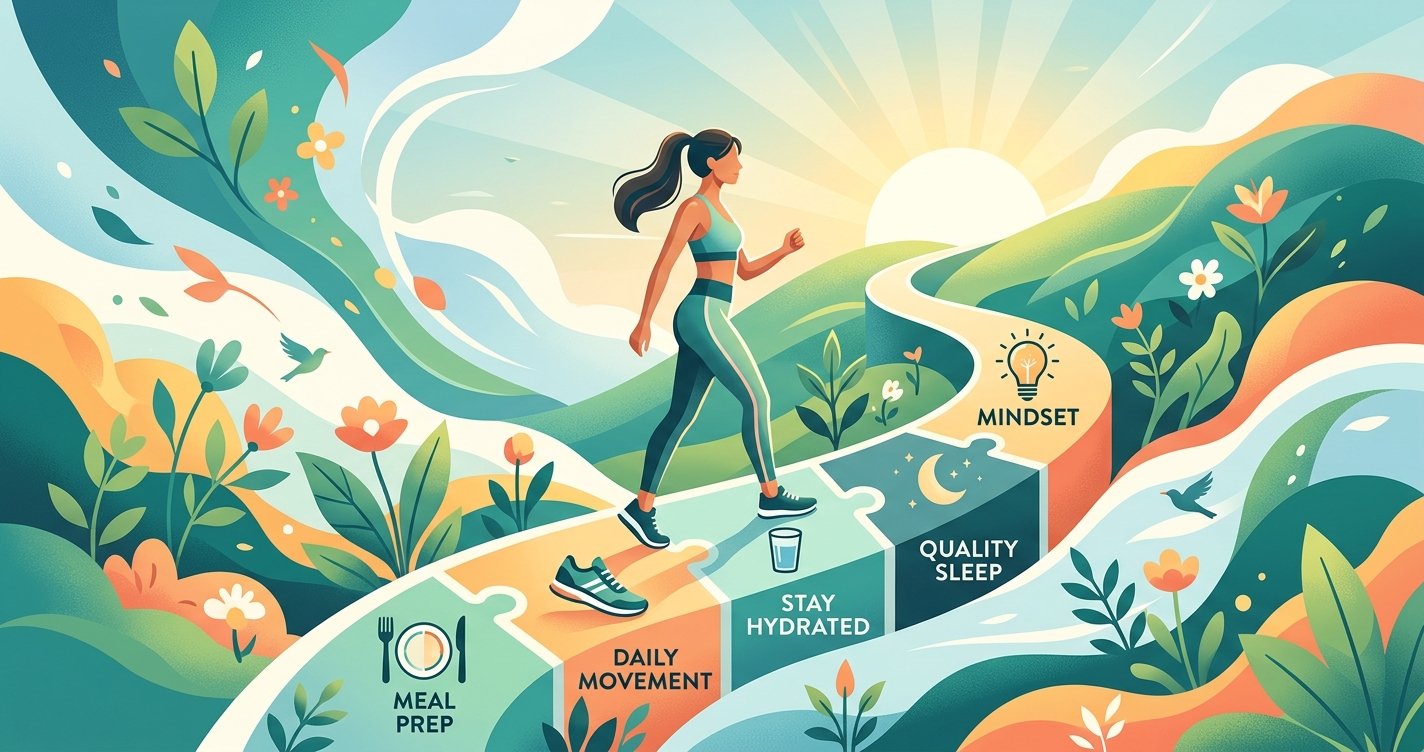
Are you tired of the endless cycle of crash diets, restrictive eating, and the frustrating weight loss plateau that always seems to follow? You're not alone. Many people embark on their fat loss journey with enthusiasm, only to be met with disappointment because they're chasing quick fixes instead of sustainable change. The truth is, lasting fat loss isn't about deprivation; it's about building healthy, enjoyable habits that support your body and mind for the long haul.
This guide will equip you with evidence-based strategies to achieve sustainable fat loss, focusing on practical steps you can integrate into your daily life. Forget the fads and get ready to cultivate a lifestyle that truly lasts. this excellent wellness product
Why Quick Fixes Fail: The Yo-Yo Trap
It's tempting to want immediate results, and the market is flooded with diets promising rapid fat loss. While these methods might lead to initial drops on the scale, they often come with a heavy price. Crash diets, extreme calorie restriction, or cutting out entire food groups are rarely sustainable. Here's why they often lead to the dreaded yo-yo effect:
- Metabolic Adaptation: Your body is incredibly smart. When calories are drastically cut, your metabolism can slow down to conserve energy, making it harder to lose weight and easier to regain it once you return to normal eating.
- Nutrient Deficiencies: Restrictive diets can lead to a lack of essential vitamins and minerals, impacting your energy levels, mood, and overall health.
- Psychological Burnout: Constant hunger, cravings, and the mental effort required to stick to extreme rules can lead to feelings of deprivation, stress, and eventually, giving up. This often results in overeating or bingeing, undoing any progress made.
- Lack of Habit Formation: Quick fixes don't teach you how to eat healthily in the real world. They're temporary solutions, not lifelong skills.
Our goal isn't just to lose fat, but to keep it off and feel great while doing it. This requires a shift from short-term fixes to long-term sustainable strategies.
The Core Principle: A Smart Caloric Deficit
At its heart, fat loss comes down to creating a caloric deficit – consuming fewer calories than your body burns. However, how you achieve this deficit makes all the difference for sustainability and health.
How to Create a Sustainable Caloric Deficit:
- Gentle Reduction: Instead of slashing hundreds of calories overnight, aim for a modest deficit of 300-500 calories per day. This allows your body to adapt gradually, minimizing metabolic slowdown and intense hunger.
- Focus on Whole Foods: Prioritize nutrient-dense, whole foods like lean proteins, fruits, vegetables, and whole grains. These foods are generally lower in calories but higher in volume and nutrients, helping you feel full and satisfied.
- Be Mindful of Liquid Calories: Sugary drinks, specialty coffees, and excessive alcohol can add significant calories without providing much satiety. Swapping these for water, unsweetened tea, or black coffee can be an easy win.
- Track (Initially): For a short period (e.g., 1-2 weeks), tracking your food intake can help you understand your current eating patterns and identify areas for improvement. You don't need to do this forever, but it provides valuable awareness.
Remember, this isn't about starvation; it's about smart choices that fuel your body efficiently.
Your Plate for Progress: Protein, Fiber, and Smart Carbs
What you eat is just as important as how much. Focusing on specific macronutrients can significantly impact your satiety, energy levels, and fat loss success.
The Power of Protein:
Protein is your best friend for fat loss. It's incredibly satiating, meaning it keeps you feeling fuller for longer, reducing the urge to snack. Furthermore, protein helps preserve muscle mass, which is crucial because muscle burns more calories at rest than fat does. Aim for a good source of lean protein at every meal.
- Examples: Chicken breast, turkey, fish, eggs, Greek yogurt, cottage cheese, lentils, beans, tofu, lean beef.
Fiber for Fullness and Gut Health:
Fiber-rich foods add bulk to your meals without adding many calories. They slow down digestion, promoting sustained fullness and preventing blood sugar spikes. Fiber also supports a healthy gut microbiome, which is increasingly linked to weight management and overall health.
- Examples: Vegetables (broccoli, spinach, bell peppers), fruits (berries, apples, pears), whole grains (oats, quinoa, brown rice), legumes (beans, chickpeas).
Smart Carbs and Healthy Fats:
Don't fear carbohydrates! Complex carbohydrates provide sustained energy for your workouts and daily activities. Healthy fats are essential for hormone production and nutrient absorption and also contribute to satiety. Focus on quality sources in moderation.
- Complex Carbs: Oats, sweet potatoes, brown rice, whole-wheat bread.
- Healthy Fats: Avocados, nuts, seeds, olive oil, fatty fish.
Move with Purpose: The Power of Strength Training and NEAT
While diet is often 80% of the fat loss equation, exercise is the crucial 20% that optimizes results, improves body composition, and boosts overall health.
Embrace Strength Training:
Many people associate fat loss with endless cardio, but strength training is arguably more impactful for sustainable results. Building muscle not only sculpts your body but also increases your basal metabolic rate, meaning you burn more calories even at rest. Aim for 2-4 strength training sessions per week, targeting all major muscle groups.
Boost Your NEAT:
NEAT (Non-Exercise Activity Thermogenesis) refers to the energy expended for everything we do that is not sleeping, eating, or sports-like exercise. This includes walking to work, gardening, fidgeting, and even standing. Increasing your NEAT can significantly contribute to your daily calorie burn without feeling like a strenuous workout.
- Ideas: Take the stairs, park further away, stand while working, walk during phone calls, do household chores, go for a daily walk.
Beyond the Plate: Sleep, Stress, and Mindful Living
Fat loss isn't just about calories in and calories out; your lifestyle plays a massive role in your body's ability to burn fat effectively.
Prioritize Quality Sleep:
Lack of sleep wreaks havoc on your hormones. It increases ghrelin (the hunger hormone) and decreases leptin (the satiety hormone), leading to increased cravings and appetite. Poor sleep also elevates cortisol (the stress hormone), which can encourage fat storage, particularly around the midsection. Aim for 7-9 hours of quality sleep per night.
Manage Stress Effectively:
Chronic stress keeps cortisol levels elevated, making fat loss a struggle even if your diet and exercise are on point. Find healthy ways to manage stress that work for you.
- Ideas: Meditation, deep breathing exercises, yoga, spending time in nature, hobbies, journaling.
Practice Mindful Eating:
Slow down, savor your food, and pay attention to your body's hunger and fullness cues. Mindful eating helps you enjoy your meals more, prevents overeating, and fosters a healthier relationship with food.
- Tips: Eat without distractions, chew slowly, put your fork down between bites, check in with your hunger levels before and during the meal.
Building Unshakeable Habits: Consistency, Patience, and Self-Compassion
Sustainable fat loss isn't a race; it's a marathon. The key to lasting success lies in building consistent habits and approaching your journey with patience and kindness.
- Small, Consistent Steps: Don't try to overhaul everything at once. Pick one or two habits to focus on each week or month (e.g., adding a protein source to breakfast, taking a 20-minute walk daily). Small wins build momentum.
- Be Patient: Fat loss is rarely linear. There will be weeks when the scale doesn't move, or even fluctuates up. Trust the process, stick to your habits, and look at the bigger picture.
- Embrace Imperfection: You will have off days, indulgent meals, or missed workouts. This is normal! Don't let one slip-up derail your entire journey. Acknowledge it, learn from it, and get back on track with your next meal or activity. Self-compassion is vital.
- Celebrate Non-Scale Victories: Focus on improvements in energy levels, strength, sleep quality, clothes fitting better, or a more positive mindset. These are powerful indicators of progress beyond the number on the scale.
Your Journey to Lasting Change
Sustainable fat loss isn't about chasing a number; it's about transforming your lifestyle and building a healthier, happier you. By focusing on a smart caloric deficit, prioritizing protein and fiber, incorporating strength training and daily movement, and nurturing your mind through sleep and stress management, you're not just losing fat—you're gaining a lifetime of well-being.
Embrace the journey, be kind to yourself, and celebrate every step of your progress. You have the power to create lasting change that feels good and truly sticks.