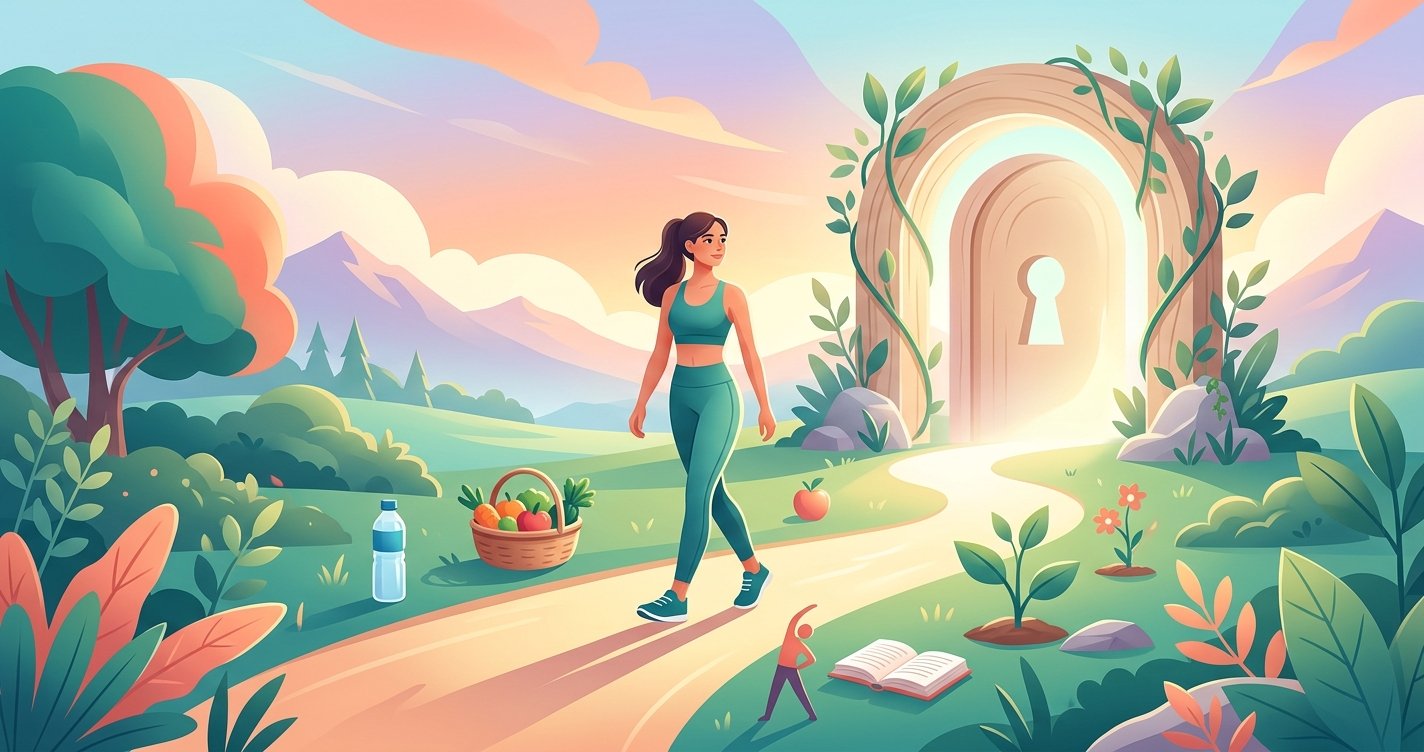
Are you tired of the endless cycle of crash diets, quick fixes, and the frustration of losing weight only to gain it back? You're not alone. In a world obsessed with instant gratification, the concept of 'sustainable fat loss' often gets lost in the noise of extreme meal plans and grueling workout routines. But what if there was a better way? A way to achieve lasting results, feel great, and truly transform your body without deprivation or burnout?
This isn't about the latest fad diet; it's about understanding your body and building powerful, evidence-based habits that support genuine, long-term fat loss. We're going to dive deep into how you can cultivate a lifestyle that not only helps you shed unwanted fat but also improves your overall health, energy, and well-being. Get ready to ditch the quick fixes and embrace a journey that truly lasts. this excellent wellness product
The Foundation: Why Quick Fixes Often Fail (and What Works Instead)
Before we build, let's understand why so many traditional fat loss approaches fall short. Most 'quick fix' diets promise rapid results by drastically cutting calories or eliminating entire food groups. While you might see initial weight loss, this approach is rarely sustainable and often leads to rebound weight gain.
Understanding Your Metabolism
Your metabolism is a complex system. When you drastically reduce calories, your body, in an evolutionary defense mechanism, often slows down your metabolism to conserve energy. This makes it harder to lose fat over time and easier to regain it once you return to normal eating patterns. Sustainable fat loss respects your metabolism, working with it, not against it.
The Calorie Deficit: A Gentle, Consistent Approach
Yes, a calorie deficit is necessary for fat loss – you need to consume slightly fewer calories than you burn. However, the key word here is 'slightly.' A moderate, consistent deficit (around 300-500 calories per day) is far more effective and sustainable than a severe one. It allows your body to adapt gradually, preserves muscle mass, and prevents the metabolic slowdown associated with extreme dieting. Think of it as a gentle nudge, not a drastic shock.
Nourish Your Body, Not Deprive It: Smart Nutrition Habits
Fat loss isn't about eating less; it's about eating better. Focusing on nutrient-dense foods helps you feel full, provides essential vitamins and minerals, and supports your metabolism.
Prioritize Protein and Fiber
- Protein: This is your fat-loss superpower. Protein is highly satiating, meaning it keeps you feeling fuller for longer, reducing cravings. It also has a higher thermic effect, meaning your body burns more calories digesting it. Aim for a good source of protein (lean meats, fish, eggs, dairy, legumes, tofu) with every meal.
- Fiber: Found in fruits, vegetables, whole grains, and legumes, fiber adds bulk to your meals, aids digestion, and helps regulate blood sugar levels, preventing energy crashes and subsequent cravings.
Embrace Whole Foods
Swap processed snacks, sugary drinks, and refined grains for their whole-food counterparts. Think fresh fruits, a rainbow of vegetables, whole grains like oats and quinoa, lean proteins, and healthy fats from avocados, nuts, and seeds. These foods are packed with nutrients, naturally lower in calories for their volume, and promote sustained energy.
Mindful Eating and Portion Awareness
Slow down. Pay attention to your food. Eat without distractions. Mindful eating helps you recognize your body's hunger and fullness cues, preventing overeating. While you don't need to meticulously count every calorie forever, understanding typical portion sizes for different food groups can be incredibly helpful, especially when starting out. Use your hand as a guide: a palm-sized portion of protein, a cupped hand of carbs, two cupped hands of vegetables, and a thumb-sized portion of healthy fats.
Move Your Body Smart, Not Hard: Effective Exercise Habits
Exercise isn't just about burning calories; it's about building a stronger, healthier, more metabolically active body.
The Power of Strength Training
If you're not lifting weights, you're missing out on a huge fat-loss advantage! Building muscle mass is crucial because muscle is more metabolically active than fat, meaning it burns more calories at rest. Strength training also shapes your body, improves bone density, and boosts your confidence. Aim for 2-4 strength training sessions per week, targeting all major muscle groups.
Incorporate Cardio (The Right Way)
Cardio is important for heart health and can contribute to your calorie deficit. However, endless steady-state cardio isn't always the most efficient for fat loss. Consider mixing in High-Intensity Interval Training (HIIT) for shorter, more intense bursts, or simply enjoy activities you love like brisk walking, cycling, or swimming. The goal is consistent movement, not punishing yourself.
Daily Movement Matters
Beyond structured workouts, aim to increase your overall daily activity. Take the stairs, walk during lunch breaks, park further away, or simply stand more often. These 'non-exercise activity thermogenesis' (NEAT) calories add up significantly over time and are a cornerstone of a healthy, active lifestyle.
Beyond Diet & Exercise: The Hidden Pillars of Fat Loss
Nutrition and exercise are crucial, but they're only part of the equation. Overlooking these often-forgotten factors can sabotage even the best efforts.
Sleep: Your Secret Fat Loss Weapon
Seriously, don't underestimate sleep! Lack of sleep disrupts hormones that regulate hunger and fullness (ghrelin and leptin), making you hungrier and more prone to cravings for unhealthy foods. It also impacts insulin sensitivity and can elevate cortisol, a stress hormone linked to belly fat storage. Aim for 7-9 hours of quality sleep per night.
Stress Management: Taming the Cortisol Beast
Chronic stress triggers the release of cortisol, which can increase appetite, promote fat storage (especially around the abdomen), and make it harder to lose weight. Incorporate stress-reducing activities into your daily routine: meditation, yoga, deep breathing exercises, spending time in nature, or engaging in hobbies you enjoy. Prioritizing mental well-being is not a luxury; it's a necessity for sustainable fat loss.
Hydration: Simple Yet Powerful
Drinking enough water is simple but incredibly effective. Water helps with metabolism, can reduce appetite (sometimes we confuse thirst for hunger), and aids in nutrient transport and waste removal. Keep a water bottle handy and sip throughout the day. Aim for at least 8 glasses, and more if you're active.
Cultivating Consistency and Patience: Mindset Habits
Fat loss is a journey, not a destination. Your mindset is perhaps the most powerful tool you possess.
Set Realistic, Achievable Goals
Instead of aiming to lose 20 pounds in a month, focus on smaller, consistent wins. For example, 'I will strength train three times this week' or 'I will include protein and vegetables with every meal.' These small victories build momentum and confidence.
Track Your Progress (Beyond the Scale)
While the scale can be a useful tool, it doesn't tell the whole story. Muscle gain, water retention, and hormonal fluctuations can all affect the number. Track other metrics: how your clothes fit, energy levels, strength gains, body measurements, progress photos, and overall mood. Celebrate non-scale victories!
Practice Self-Compassion and Adaptability
There will be days when you miss a workout, indulge a little too much, or feel discouraged. That's okay! Don't let one 'off' day derail your entire journey. Forgive yourself, learn from it, and get back on track with the next meal or workout. Flexibility and adaptability are crucial for long-term success. Life happens; your plan should be able to adapt.
Embrace Your Sustainable Fat Loss Journey
Sustainable fat loss isn't about perfection; it's about progress, consistency, and building a collection of healthy habits that serve you for a lifetime. By focusing on nourishing your body with whole foods, moving it smartly, prioritizing sleep and stress management, and cultivating a resilient mindset, you're not just losing fat – you're building a stronger, healthier, and happier you. Ditch the quick fixes, embrace the journey, and watch as you unlock lasting results and a vibrant life.