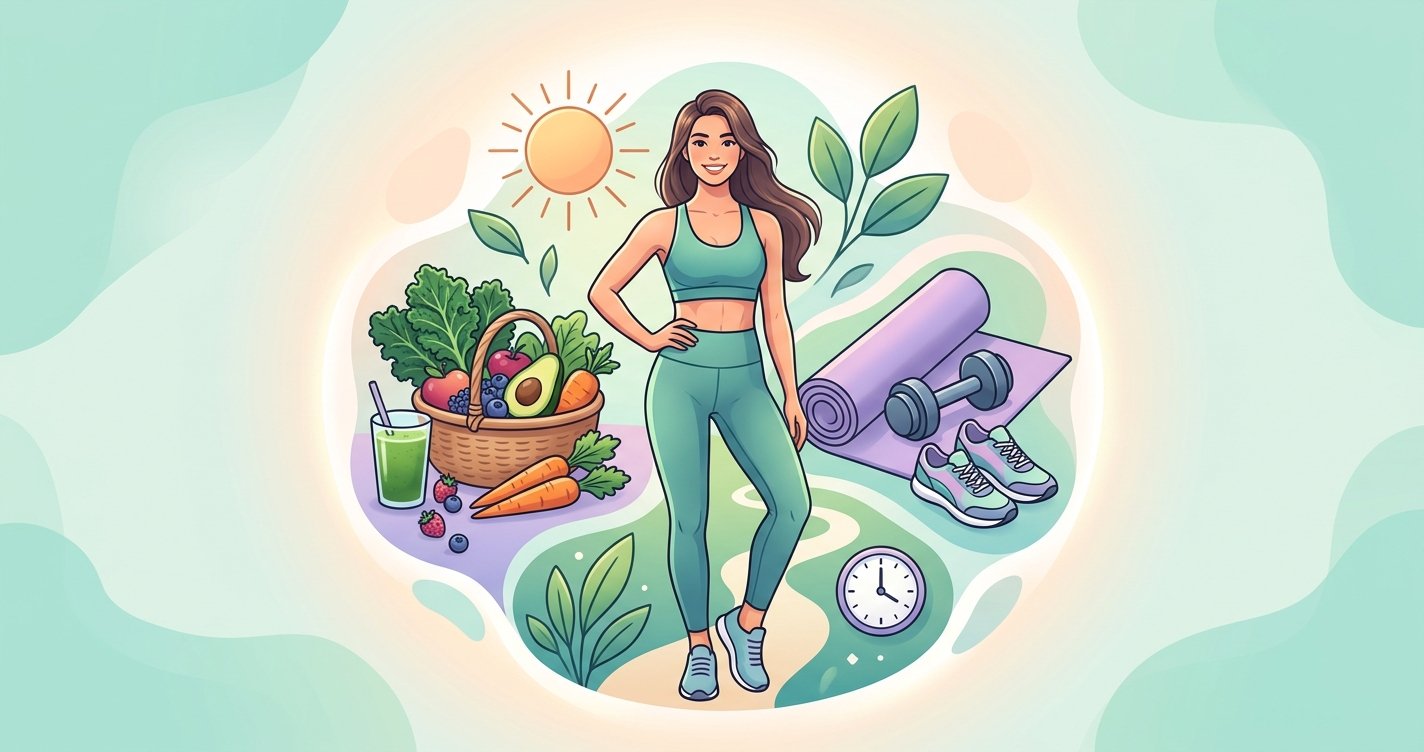
Beyond Quick Fixes: Your Guide to Sustainable Fat Loss Habits for a Healthier You
Are you tired of the yo-yo diet cycle? The endless promises of rapid weight loss that leave you feeling defeated and heavier than before? You’re not alone. In a world saturated with quick fixes and extreme diets, it’s easy to lose sight of what truly works for lasting results: sustainable fat loss. This isn't about deprivation; it's about building healthy habits that integrate seamlessly into your life, leading to a healthier, happier, and more energetic you – for good.
This comprehensive guide will walk you through the evidence-based pillars of sustainable fat loss, helping you shift your focus from temporary fixes to permanent lifestyle changes. Get ready to transform not just your body, but your entire relationship with food, exercise, and well-being. this excellent wellness product
The Foundation: Understanding Sustainable Fat Loss
Before diving into specific strategies, let’s clarify what sustainable fat loss really means and why it’s your best path forward.
It's Not Just About the Scale
While the number on the scale can be a useful metric, it doesn't tell the whole story. Sustainable fat loss focuses on improving body composition (reducing fat, preserving or building muscle), enhancing overall health markers (blood pressure, cholesterol, energy levels), and fostering a positive body image. True success is feeling good in your skin, having more energy, and reducing your risk of chronic diseases, not just hitting a target weight.
Why Quick Fixes Don't Last
Crash diets, extreme calorie restriction, and over-exercising might offer initial rapid weight loss, but they come at a cost. They often lead to muscle loss, nutrient deficiencies, metabolic slowdown, and an unhealthy obsession with food. Your body perceives these drastic changes as a threat, triggering survival mechanisms that make it harder to keep the weight off and almost inevitable to rebound once the diet ends. Sustainable approaches respect your body's physiology, promoting gradual, healthy change.
Pillar 1: Smart Nutrition for Lasting Results
Nutrition is arguably the most critical component of fat loss. But smart nutrition isn't about endless restrictions; it's about making informed, balanced choices.
The Power of a Modest Calorie Deficit
To lose fat, you must consume fewer calories than your body burns – this is the fundamental principle. However, the key word here is 'modest.' A small, consistent deficit (around 300-500 calories below your maintenance level) allows for steady fat loss (1-2 pounds per week) without triggering extreme hunger, energy crashes, or metabolic adaptation. Use an online calculator to estimate your daily calorie needs and then subtract a reasonable amount.
Prioritize Protein: Your Secret Weapon
Protein is incredibly satiating, meaning it keeps you feeling fuller for longer, reducing the likelihood of overeating. It also plays a crucial role in preserving muscle mass during a calorie deficit, which is vital for maintaining a healthy metabolism. Aim for 0.7-1 gram of protein per pound of your target body weight daily, spread across your meals. Think lean meats, poultry, fish, eggs, dairy, legumes, and protein supplements.
Don't Fear Carbs and Healthy Fats
Carbohydrates are your body's primary energy source, fueling your workouts and daily activities. Opt for complex carbs like whole grains, fruits, and vegetables, which are rich in fiber and provide sustained energy. Healthy fats (avocado, nuts, seeds, olive oil) are essential for hormone production, nutrient absorption, and satiety. Balance is key – eliminate neither, but choose wisely.
Focus on Whole, Unprocessed Foods
Base your diet around whole, minimally processed foods. These foods are naturally rich in fiber, vitamins, and minerals, and tend to be less calorie-dense than their processed counterparts. They promote satiety and provide the nutrients your body needs to function optimally. Minimize sugary drinks, refined grains, and highly processed snacks.
Hydration: Simple Yet Crucial
Often overlooked, adequate water intake is vital for metabolism, satiety, and overall health. Sometimes, what we perceive as hunger is actually thirst. Aim for 8-10 glasses of water daily, and even more if you're active.
Pillar 2: Strategic Movement, Not Just "Exercise"
Movement complements nutrition by burning calories, building muscle, improving cardiovascular health, and boosting your mood. It's about finding activities you enjoy and making them a regular part of your life.
Embrace Strength Training
Resistance training is arguably the most powerful exercise for sustainable fat loss. Building and maintaining muscle mass increases your resting metabolism, meaning you burn more calories even at rest. It also sculpts your physique, leading to a more toned and confident appearance. Aim for 2-4 strength training sessions per week, focusing on compound movements that work multiple muscle groups.
Cardio for Heart Health and Calorie Burn
Cardiovascular exercise is excellent for burning calories, improving heart health, and boosting endurance. Incorporate a mix of steady-state cardio (like walking, cycling, or swimming) and potentially some high-intensity interval training (HIIT) if appropriate for your fitness level. Aim for at least 150 minutes of moderate-intensity cardio or 75 minutes of vigorous-intensity cardio per week.
Move More Throughout Your Day (NEAT)
Non-Exercise Activity Thermogenesis (NEAT) refers to the calories you burn from everyday movements that aren't formal exercise. This includes walking, standing, fidgeting, and even doing chores. Increasing your NEAT by taking the stairs, parking further away, or going for short walks throughout the day can significantly contribute to your daily calorie expenditure and overall fat loss efforts.
Pillar 3: The Mindset and Lifestyle Connection
Sustainable fat loss isn't just about what you eat and how you move; it's deeply intertwined with your mental well-being and daily habits.
Prioritize Sleep: The Unsung Hero of Fat Loss
Lack of sleep wreaks havoc on your hunger hormones. Insufficient sleep increases ghrelin (the hunger hormone) and decreases leptin (the satiety hormone), making you feel hungrier and less satisfied. It also elevates cortisol, a stress hormone that can promote fat storage, especially around the belly. Aim for 7-9 hours of quality sleep per night to optimize your body's fat-burning potential.
Manage Stress Effectively
Chronic stress, like sleep deprivation, leads to elevated cortisol levels. This not only encourages fat storage but can also lead to emotional eating and poor food choices. Find healthy ways to manage stress, such as meditation, yoga, spending time in nature, or engaging in hobbies you love.
Build Sustainable Habits, Not Restrictions
Instead of thinking about what you can't have, focus on what you can add to your diet and lifestyle. Make small, incremental changes that you can stick with long-term. Consistency trumps perfection every single time. A missed workout or an indulgent meal isn't a failure; it's an opportunity to get back on track with your next choice.
Practice Mindful Eating
Slow down, savor your food, and pay attention to your body's hunger and fullness cues. Mindful eating helps you appreciate your meals, prevents overeating, and fosters a healthier relationship with food. Put away distractions, eat slowly, and truly taste your food.
Putting It All Together: Your Action Plan
Ready to embark on your sustainable fat loss journey? Here’s how to get started:
- Start Small, Stay Consistent: Don't try to overhaul everything at once. Pick one or two habits from each pillar and focus on mastering them before adding more. Consistency is the secret sauce.
- Track Progress Beyond the Scale: Take body measurements, progress photos, note how your clothes fit, and monitor your energy levels and strength gains. These non-scale victories are incredibly motivating.
- Be Patient and Kind to Yourself: Fat loss is a journey, not a race. There will be ups and downs. Celebrate your successes, learn from setbacks, and treat yourself with the same compassion you would offer a friend.
- Seek Support: Whether it's a friend, family member, or a professional like a coach or dietitian, having a support system can make a huge difference in staying accountable and motivated.
Your Healthier, Happier Future Awaits
Sustainable fat loss isn't a temporary diet; it's a lifestyle transformation that empowers you to take control of your health and well-being for the long haul. By focusing on smart nutrition, strategic movement, and a positive mindset, you're not just losing weight – you're building a foundation for a vibrant, energetic future. Ditch the quick fixes and embrace the power of lasting habits. Your body and mind will thank you.
Start your journey today. Small, consistent steps lead to incredible, lasting change. You've got this!