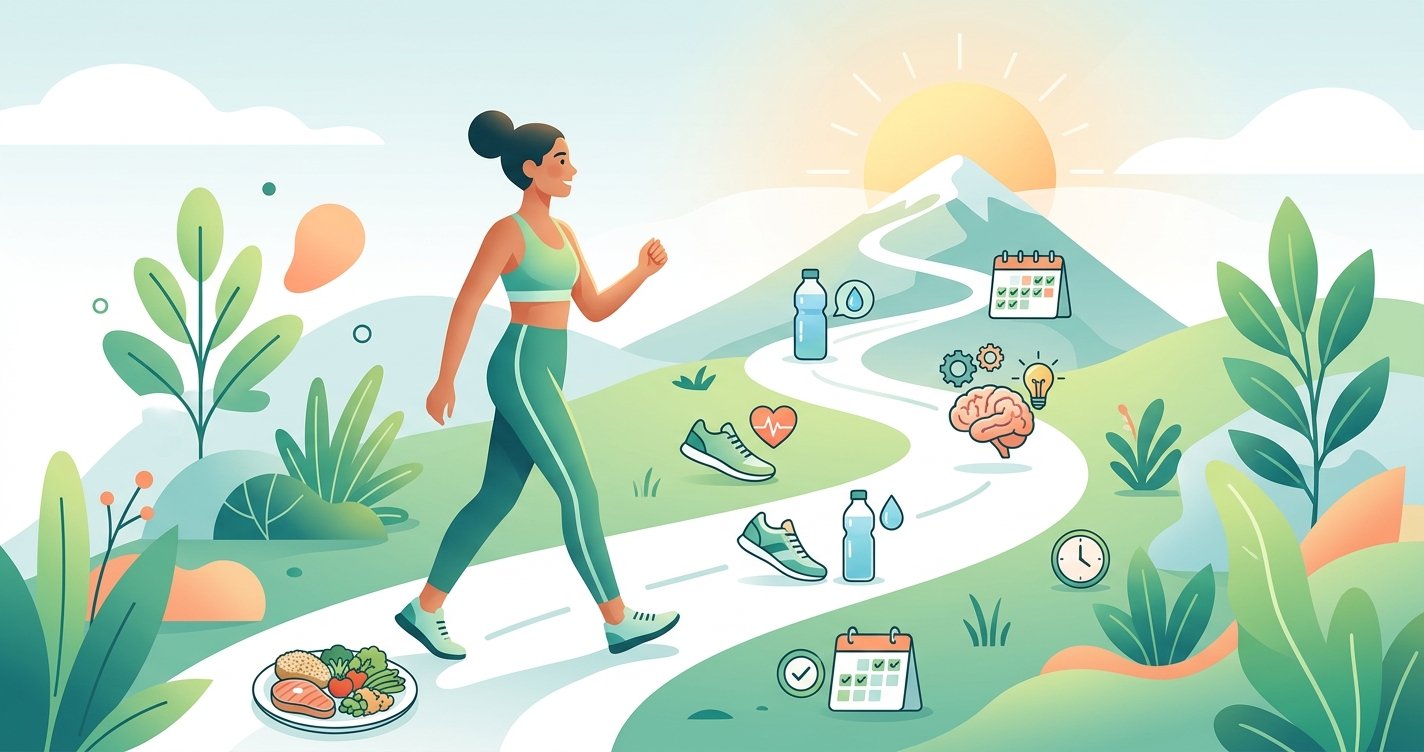
Are you tired of the endless cycle of crash diets and quick-fix solutions that promise rapid fat loss but deliver only disappointment? You’re not alone. In a world saturated with fleeting trends, it’s easy to get caught up in the allure of overnight transformations. But what if there was a better way? A path to not just losing fat, but keeping it off for good? Welcome to the world of sustainable fat loss – a journey built on evidence-based strategies, consistent habits, and a deep understanding of your body. This isn't about deprivation; it's about empowerment, education, and embracing a healthier, happier you.
Why Quick Fixes Fail (And What Works Instead)
The diet industry often thrives on our desire for immediate results. However, most rapid weight loss methods are unsustainable, leading to the dreaded "yo-yo" effect where lost weight quickly returns, often with extra pounds. This cycle is not only frustrating but can also be detrimental to your metabolism and overall health. this excellent wellness product
The Cycle of Yo-Yo Dieting
When you drastically cut calories or eliminate entire food groups, your body perceives it as a threat. It slows your metabolism to conserve energy, and when you inevitably return to normal eating patterns (because who can sustain extreme diets forever?), your body is primed to store fat more efficiently. This isn't a lack of willpower; it's a biological response designed to protect you from perceived starvation.
The Power of Incremental Changes
Sustainable fat loss isn't a sprint; it's a marathon of small, consistent steps. Instead of overhauling your entire lifestyle overnight, focus on making one or two manageable changes at a time. These incremental shifts are easier to maintain, less stressful for your body, and far more likely to become ingrained habits that lead to lasting results. Think progress, not perfection.
Fueling Your Body Smartly: Nutrition for Sustainable Fat Loss
Nutrition is arguably the most critical component of sustainable fat loss. You don't need to eat like a rabbit or count every single gram of food, but understanding the basics of smart fueling will make a huge difference.
Prioritize Protein and Fiber
Protein is your best friend when it comes to fat loss. It’s highly satiating, meaning it keeps you feeling full longer, reducing cravings and overeating. It also helps preserve muscle mass during a calorie deficit, which is crucial for a healthy metabolism. Aim for a good source of lean protein at every meal. Excellent sources include:
- Lean meats (chicken, turkey, lean beef)
- Fish and seafood (salmon, cod, shrimp)
- Eggs
- Plant-based options (tofu, tempeh, lentils, beans)
- Dairy (Greek yogurt, cottage cheese)
Fiber, found abundantly in fruits, vegetables, and whole grains, also contributes significantly to satiety and aids digestion, further supporting your fat loss goals by keeping you fuller for longer and promoting gut health.
Don't Fear Healthy Fats
While fat is calorie-dense, healthy fats are essential for hormone production, nutrient absorption, and satiety. Avocados, nuts, seeds, and olive oil are excellent sources. Incorporating moderate amounts of healthy fats can help you feel satisfied and prevent you from feeling deprived, making your nutritional approach more sustainable.
The Magic of a Moderate Calorie Deficit (without deprivation)
At its core, fat loss requires consuming slightly fewer calories than your body burns. However, "slightly" is the key. A moderate deficit (typically 300-500 calories below your maintenance) allows for steady, healthy fat loss (1-2 pounds per week) without triggering extreme hunger, metabolic slowdown, or nutrient deficiencies. Focus on nutrient-dense foods that provide volume and satisfaction, rather than just empty calories.
Hydration: Your Unsung Hero
Often overlooked, adequate water intake is vital. Water helps with metabolism, can reduce appetite (sometimes we confuse thirst for hunger), and keeps your body functioning optimally. Aim for at least 8 glasses a day, more if you’re active.
Moving Your Body Intelligently: Exercise for Long-Term Results
While nutrition lays the foundation, intelligent exercise accelerates your fat loss journey and sculpts a healthier, stronger physique. It's not just about burning calories; it's about building strength, improving cardiovascular health, and boosting your mood.
Strength Training: Build Muscle, Boost Metabolism
This is non-negotiable for sustainable fat loss. Muscle tissue is metabolically active, meaning it burns more calories at rest than fat tissue. Incorporating 2-3 full-body strength training sessions per week will help you build or maintain muscle, which in turn keeps your metabolism humming even when you're not exercising. Don't worry, you won't get "bulky" – just stronger and leaner.
Cardio for Heart Health and Calorie Burn
Cardiovascular exercise, like brisk walking, jogging, cycling, or swimming, is excellent for burning calories and improving heart health. Aim for a mix of moderate-intensity steady-state cardio and perhaps a couple of High-Intensity Interval Training (HIIT) sessions if your fitness level allows. HIIT can be very time-efficient for calorie burning and improving cardiovascular fitness.
The Power of NEAT (Non-Exercise Activity Thermogenesis)
Don't underestimate the impact of your daily movement outside of structured workouts. NEAT includes activities like walking more, taking the stairs, standing while working, gardening, or fidgeting. These small movements add up throughout the day, significantly contributing to your overall calorie expenditure and making a real difference in your sustainable fat loss efforts.
Beyond Calories and Cardio: Holistic Pillars of Sustainable Fat Loss
Fat loss isn't just about what you eat and how much you move. Your lifestyle, mindset, and overall well-being play a massive role in your ability to achieve and maintain your goals.
The Crucial Role of Sleep
Lack of sleep can wreak havoc on your hormones, increasing ghrelin (the hunger hormone) and decreasing leptin (the satiety hormone). This makes you hungrier, especially for unhealthy foods, and less satisfied after eating. Aim for 7-9 hours of quality sleep per night to support your body's natural fat-burning processes and reduce cravings.
Managing Stress for Hormonal Balance
Chronic stress elevates cortisol levels, a hormone that can promote fat storage, especially around the abdominal area. Find healthy ways to manage stress, whether it's meditation, yoga, spending time in nature, or engaging in hobbies you love. Prioritizing mental well-being is a key, often overlooked, aspect of sustainable fat loss.
Mindful Eating: Connecting with Your Body's Signals
In our fast-paced world, we often eat distractedly. Mindful eating involves paying attention to your food – its taste, texture, and smell – and tuning into your body's hunger and fullness cues. This practice can help you eat less, enjoy your food more, and develop a healthier relationship with eating, making it a powerful tool for sustainable fat loss.
Building Unshakeable Habits: Strategies for Consistency
Knowing what to do is one thing; consistently doing it is another. Here’s how to build habits that stick:
Set SMART Goals
Your goals should be Specific, Measurable, Achievable, Relevant, and Time-bound. Instead of "I want to lose weight," try "I will walk for 30 minutes, 4 times a week, for the next month." This makes your journey clearer and more actionable.
Track Your Progress (But Don't Obsess)
Monitoring your food intake, exercise, or even just how you feel can provide valuable insights and accountability. This doesn't mean meticulously logging every morsel forever, but rather understanding patterns and making adjustments. Use a journal, an app, or simply weekly check-ins with yourself. Remember that progress isn't always linear; focus on the overall trend.
Embrace Imperfection and Learn from Setbacks
Life happens. There will be days you overeat, miss a workout, or feel discouraged. Don't let one slip-up derail your entire journey. Acknowledge it, learn from it, and get back on track with your next meal or next opportunity. Sustainable fat loss is about resilience, not perfection.
Your Journey to Lasting Fat Loss Starts Today
Sustainable fat loss isn't a destination; it's a lifelong journey of self-care, learning, and growth. By focusing on evidence-based nutrition, intelligent exercise, holistic well-being, and consistent habit building, you can break free from the cycle of frustration and achieve the lasting results you deserve. Start small, be patient with yourself, and celebrate every step of your progress. Your healthier, happier future is waiting!