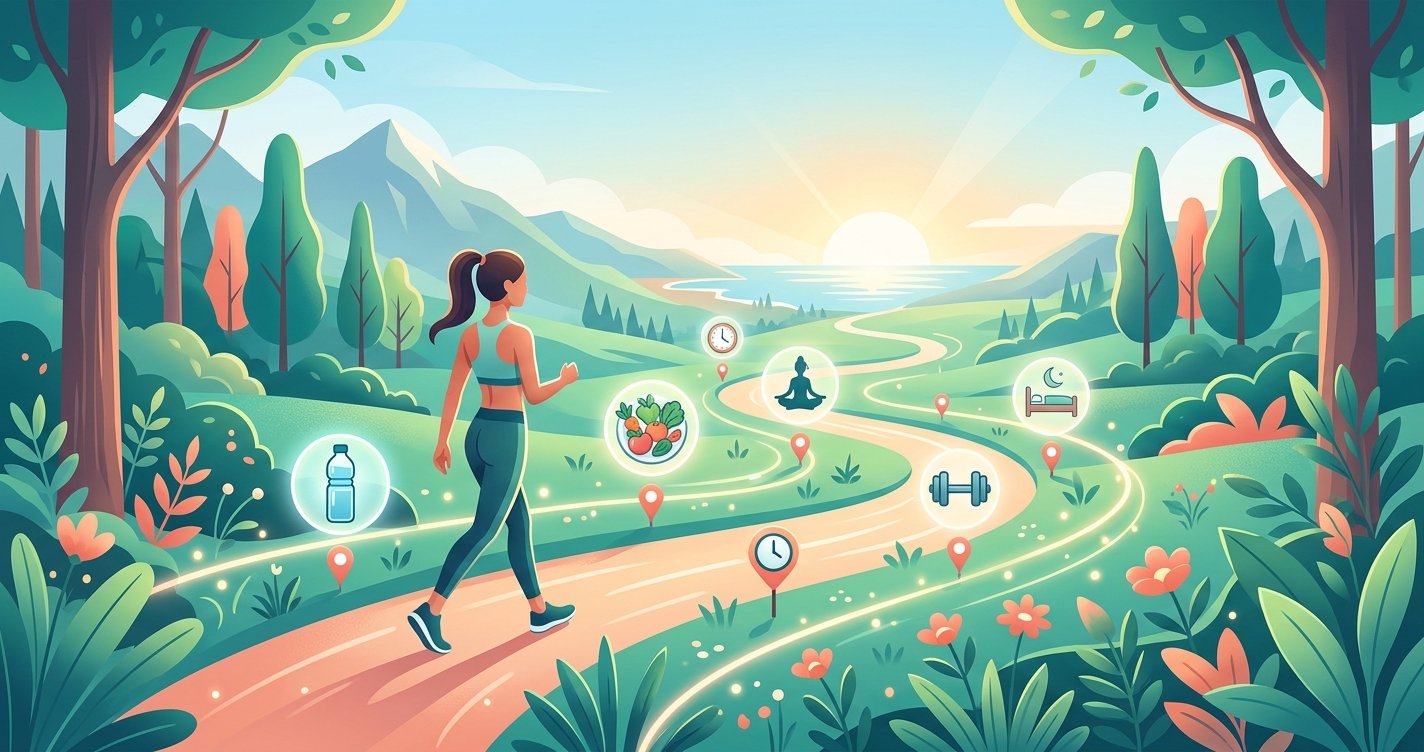
Beyond the Quick Fix: Your Ultimate Guide to Sustainable Fat Loss Habits
We've all been there. The allure of the 'quick fix' diet, the promise of shedding pounds in mere weeks, only to find ourselves back where we started, often feeling more frustrated and defeated than before. The truth is, genuine, lasting fat loss isn't about deprivation or extreme measures; it's about cultivating a set of sustainable habits that gently yet profoundly reshape your lifestyle. This isn't a race; it's a journey towards a healthier, happier you.
Forget the crash diets and the endless cardio. This guide is your friendly, evidence-based roadmap to understanding the principles of sustainable fat loss, focusing on strategies you can realistically integrate into your life, not just for a few weeks, but for good. Let's ditch the frustration and embrace a path that celebrates progress, not perfection. this excellent wellness product
The Foundational Pillar: A Smart Calorie Deficit
At its heart, fat loss boils down to one fundamental principle: consuming fewer calories than your body burns. This is known as a calorie deficit. However, the key to sustainability lies in creating a moderate deficit, not a drastic one. Starving yourself is not only unsustainable but also counterproductive, often leading to muscle loss, metabolic slowdown, and intense cravings that inevitably lead to rebound weight gain.
Think of it as a gentle nudge, not a forceful shove. Aim for a deficit of 300-500 calories per day. This allows your body to tap into its fat stores for energy without feeling deprived. But how do you achieve this without meticulously counting every single morsel? It starts with smart food choices.
Prioritizing Protein for Satiety and Muscle Preservation
If there's one macronutrient to champion for fat loss, it's protein. Protein is incredibly satiating, meaning it helps you feel fuller for longer, reducing the urge to snack unnecessarily. Furthermore, it's crucial for preserving lean muscle mass during a calorie deficit. Why is this important? Because muscle is metabolically active, burning more calories at rest than fat tissue. Protecting your muscle means protecting your metabolism.
- Aim for: A protein source at every meal – think lean meats, poultry, fish, eggs, dairy, legumes, and plant-based protein powders.
- Benefits: Reduced hunger, better muscle retention, and a higher thermic effect of food (meaning your body burns more calories digesting protein).
The Power of Fiber: Filling Up on Goodness
Alongside protein, fiber is your best friend for a sustainable calorie deficit. Found in fruits, vegetables, whole grains, and legumes, fiber adds bulk to your meals without adding many calories. It slows down digestion, contributing to that feeling of fullness and helping to stabilize blood sugar levels, preventing energy crashes and subsequent cravings.
- Integrate: A variety of colorful vegetables and fruits into your daily meals. Swap refined grains for whole grains like oats, quinoa, and brown rice.
- Benefits: Enhanced satiety, improved digestive health, and a steady supply of energy.
Movement That Matters: Beyond Just Burning Calories
While nutrition is paramount for fat loss, movement plays a vital, multifaceted role that extends far beyond simply burning calories. Exercise builds strength, improves mood, enhances metabolic health, and boosts overall well-being – all crucial elements for a sustainable fat loss journey.
Strength Training: Your Metabolic Supercharger
If you're not lifting weights, you're missing out on a powerful fat loss tool. Strength training builds and maintains muscle mass, which, as we discussed, directly impacts your resting metabolic rate. The more muscle you have, the more calories your body burns, even when you're just sitting around.
- Start with: 2-3 full-body strength training sessions per week. Focus on compound movements like squats, deadlifts, presses, and rows.
- No gym? No problem: Bodyweight exercises like push-ups, planks, lunges, and air squats are incredibly effective.
Cardio: For Heart Health and Calorie Expenditure
While strength training is excellent for metabolic health, cardiovascular exercise still holds its place. It's fantastic for heart health, improves endurance, and provides an additional calorie burn. The beauty is, it doesn't have to be hours on a treadmill.
- Explore: Brisk walking, jogging, cycling, swimming, dancing, or hiking. Find something you enjoy!
- Mix it up: Incorporate both steady-state cardio and occasional High-Intensity Interval Training (HIIT) for varied benefits.
NEAT (Non-Exercise Activity Thermogenesis): The Unsung Hero
This might be the most overlooked aspect of daily calorie expenditure. NEAT refers to all the calories you burn from activities that aren't formal exercise – walking around the house, fidgeting, taking the stairs, gardening, standing at your desk. Small increases in NEAT throughout your day can add up significantly over time.
- Boost your NEAT: Take the stairs, park further away, walk during phone calls, stand more, or take short walking breaks throughout your workday.
The Mindset Shift: Embracing Progress, Not Perfection
Sustainable fat loss isn't just about what you eat or how you move; it's profoundly influenced by your mental approach. This journey will have its ups and downs, and a resilient mindset is your greatest asset.
Mindful Eating: Reconnecting with Your Body's Signals
In our fast-paced world, eating has often become a rushed, unconscious act. Mindful eating encourages you to slow down, pay attention to your body's hunger and fullness cues, and truly savor your food. This practice can prevent overeating and foster a healthier relationship with food.
- Practice: Eat slowly, chew thoroughly, put your fork down between bites, and pay attention to how your body feels before, during, and after eating.
The Power of Sleep: A Neglected Fat Loss Tool
Sleep is not a luxury; it's a necessity, especially when you're trying to lose fat. Insufficient sleep can disrupt hormones that regulate appetite (ghrelin and leptin), making you feel hungrier and crave unhealthy foods. It also impacts insulin sensitivity and can hinder recovery from exercise.
- Aim for: 7-9 hours of quality sleep per night. Establish a consistent sleep schedule, create a relaxing bedtime routine, and optimize your sleep environment.
Stress Management: Taming the Cortisol Beast
Chronic stress can wreak havoc on your fat loss efforts. When stressed, your body releases cortisol, a hormone that, in excess, can promote fat storage, particularly around the abdominal area. Stress can also lead to emotional eating and disrupt sleep.
- Find your calm: Incorporate stress-reducing activities like meditation, yoga, deep breathing exercises, spending time in nature, or engaging in hobbies you love.
Building Sustainable Habits: Small Steps, Big Results
The secret to long-term success isn't revolutionary; it's evolutionary. It's about making small, consistent changes that accumulate over time. Don't try to overhaul everything at once. Pick one or two habits to focus on, master them, and then add more.
Meal Prepping for Success
One of the biggest hurdles to healthy eating is convenience. When you're hungry and short on time, unhealthy options become tempting. Meal prepping, even in a simple form, can dramatically improve your consistency.
- Start small: Cook a batch of protein (chicken, lentils) and some grains (quinoa, brown rice) for the week. Chop vegetables in advance. Prepare healthy snacks.
Hydration: Simple Yet Powerful
Often overlooked, adequate water intake is crucial for overall health and can support fat loss. Sometimes, what we perceive as hunger is actually thirst. Water also aids in digestion and nutrient transport.
- Keep it close: Carry a water bottle with you throughout the day. Set reminders to drink water. Infuse water with fruit for added flavor.
Listening to Your Body and Adapting
Your fat loss journey is unique. There will be plateaus, weeks where the scale doesn't budge, or even slight increases. This is normal. The key is to listen to your body, assess what might be happening, and make informed adjustments rather than giving up.
- Reassess: Are you truly in a deficit? Are you getting enough sleep? Is your stress under control?
- Adjust: Slightly increase your activity, or slightly reduce your calorie intake (if appropriate and still moderate).
- Seek guidance: If you're struggling, consider consulting with a registered dietitian or a certified personal trainer for personalized advice.
Your Journey to Lasting Change
Sustainable fat loss isn't about chasing a number on the scale; it's about building a lifestyle that supports your health, energy, and happiness for years to come. It requires patience, consistency, and a willingness to learn and adapt. Embrace the process, celebrate every small victory, and remember that every healthy choice you make is a step towards a stronger, more vibrant you. You have the power to create lasting change, one sustainable habit at a time. Let's make this journey one of empowerment, not deprivation.