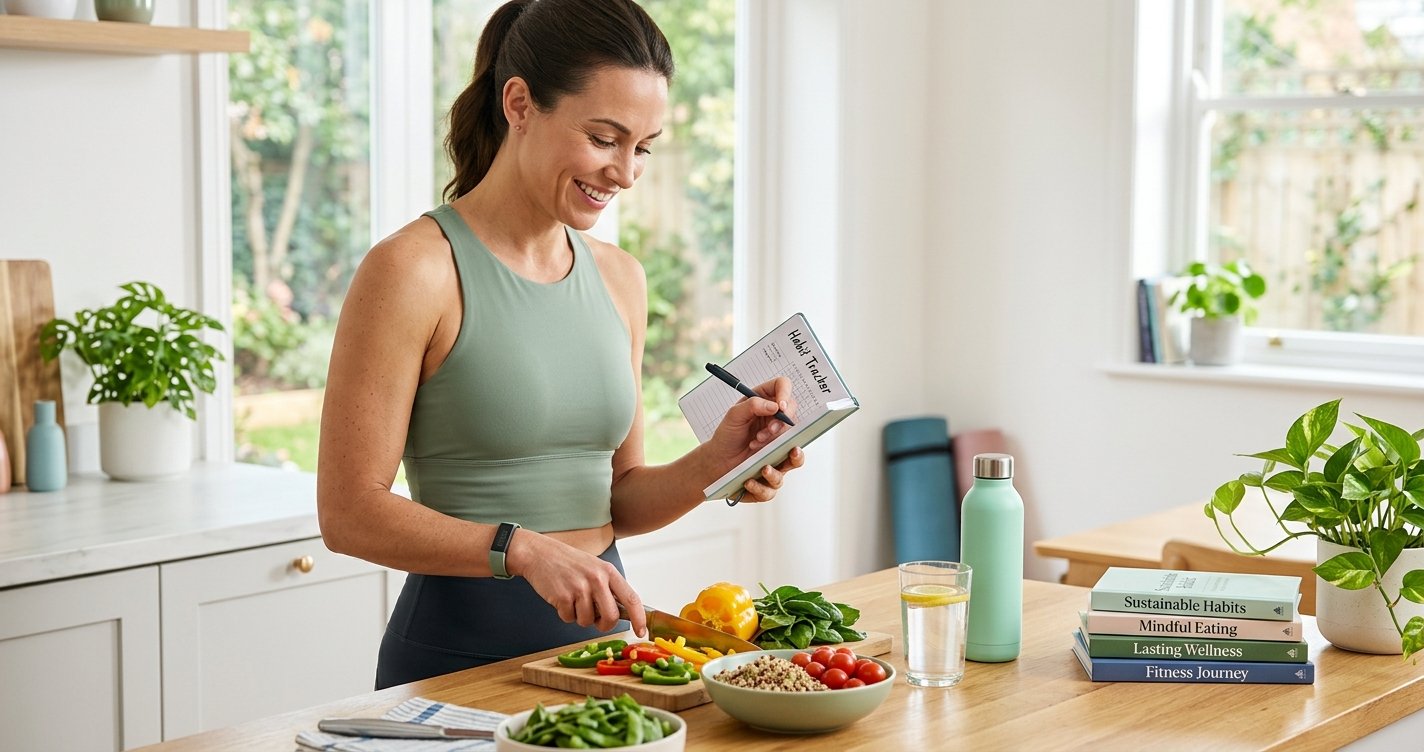
Are you tired of the frustrating cycle of crash diets, rapid weight loss, and then inevitably gaining it all back – sometimes even more? You’re not alone. In a world saturated with quick fixes and extreme promises, it's easy to get caught in the trap of unsustainable approaches to fat loss. But what if there was a better way? A way to not just lose fat, but to keep it off, feel great, and build healthy habits that last a lifetime?
Welcome to the world of sustainable fat loss. This isn't about deprivation or endless hours on the treadmill. It's about understanding your body, making informed choices, and building consistent habits that support your health and well-being in the long run. In this comprehensive guide, we'll dive deep into the evidence-based strategies that actually work, helping you ditch the yo-yo dieting for good and embrace a healthier, happier you. this excellent wellness product
Why Quick Fixes Fail: The Science of Sustainability
Before we build sustainable habits, it’s crucial to understand why many popular fat loss methods set us up for failure. The allure of rapid results is powerful, but often, these quick fixes come with significant downsides.
The Allure of Rapid Results: Why We Fall for Them
Human nature often seeks immediate gratification. Marketing preys on this, promising dramatic transformations in days or weeks. While some initial weight loss might occur, much of it is often water weight or muscle loss, not true fat loss.
The Metabolic Rebound: How Crash Diets Harm Your Metabolism
When you drastically cut calories, your body perceives it as starvation. It responds by slowing down your metabolism to conserve energy. This means your body burns fewer calories at rest. Once you return to normal eating, your now-slower metabolism struggles to cope, leading to rapid weight regain, often with an increase in body fat. This is the notorious 'yo-yo' effect.
Psychological Burnout: The Mental Toll of Restrictive Diets
Extreme diets are mentally exhausting. They foster feelings of deprivation, guilt, and obsession with food. This psychological stress is unsustainable and often leads to giving up entirely, sometimes even developing unhealthy relationships with food.
True, lasting fat loss isn't about a finish line; it's about a lifestyle shift. It requires patience, consistency, and a focus on nourishing your body, not punishing it.
The Cornerstone of Fat Loss: A Smart Approach to Nutrition
Nutrition is arguably the most critical component of sustainable fat loss. It's not about eating less; it's about eating smart.
Understanding Calorie Deficit (Without Obsession)
At its core, fat loss requires a calorie deficit – consuming slightly fewer calories than your body burns. However, this doesn't mean meticulously counting every single calorie for the rest of your life. Instead, focus on creating a modest, sustainable deficit through smarter food choices.
- Focus on Whole Foods: Prioritize fruits, vegetables, lean proteins, and whole grains. These are nutrient-dense and naturally more filling than processed foods.
- Portion Awareness: Learn what a healthy portion looks like without needing to weigh everything.
- Listen to Your Body: Eat when you're hungry, stop when you're satisfied, not stuffed.
Protein Power: Your Best Friend for Fat Loss
Protein is a superpower nutrient for fat loss. Here's why:
- Satiety: Protein keeps you feeling fuller for longer, reducing overall calorie intake.
- Muscle Preservation: When you're in a calorie deficit, protein helps preserve lean muscle mass, which is crucial for maintaining a healthy metabolism.
- Thermic Effect of Food (TEF): Your body burns more calories digesting protein compared to fats or carbohydrates.
Aim for a lean protein source with every meal, such as chicken breast, fish, eggs, Greek yogurt, lentils, or tofu.
The Role of Healthy Fats and Complex Carbs
Don't fear fats or carbs! They are essential for energy, hormone production, and overall health. The key is choosing the right kinds:
- Healthy Fats: Avocados, nuts, seeds, olive oil, and fatty fish provide essential fatty acids and promote satiety.
- Complex Carbohydrates: Whole grains (oats, quinoa, brown rice), sweet potatoes, and legumes provide sustained energy and fiber, which aids digestion and fullness.
Practical Tips for Sustainable Eating:
- Meal Planning & Prep: Dedicate time once a week to plan your meals and prep some components (chopping veggies, cooking grains). This reduces impulse unhealthy choices.
- Mindful Eating: Slow down, savor your food, and pay attention to hunger and fullness cues. Avoid distractions like screens.
- Hydration: Drink plenty of water throughout the day. Sometimes thirst is mistaken for hunger.
- Don't Demonize Foods: All foods can fit into a healthy diet in moderation. Restrictive mindsets often backfire. Focus on balance and consistency over perfection.
Move Your Body, Fuel Your Progress: Exercise for Lasting Results
While nutrition is king for fat loss, exercise is the queen. It boosts your metabolism, builds strength, improves mood, and enhances overall health.
Strength Training: Your Secret Weapon for Metabolism and Shape
Often overlooked, strength training (lifting weights, bodyweight exercises) is incredibly effective for fat loss. Muscle tissue burns more calories at rest than fat tissue. Building muscle not only helps you burn more calories 24/7, but it also gives your body a more toned and defined appearance.
Aim for 2-4 strength training sessions per week, focusing on compound movements that work multiple muscle groups.
Cardio for Heart Health and Calorie Burn
Cardiovascular exercise, like brisk walking, jogging, cycling, or swimming, is excellent for heart health and burns calories. Find an activity you genuinely enjoy to ensure consistency. High-intensity interval training (HIIT) can be efficient for calorie burn, but steady-state cardio also has its place for endurance and recovery.
NEAT: The Unsung Hero of Daily Activity
NEAT stands for Non-Exercise Activity Thermogenesis – all the calories you burn from daily movements that aren't structured exercise. This includes walking to the kitchen, fidgeting, taking the stairs, or parking further away. Increasing your NEAT can significantly boost your daily calorie expenditure without feeling like a workout.
Consistency Over Intensity: Start Small, Build Up
Don't feel pressured to become a gym fanatic overnight. Start with what you can realistically commit to, even if it's just 20 minutes of walking daily and two short strength sessions. Consistency is far more powerful than sporadic, intense bursts of activity.
Beyond the Plate and Gym: Mindset and Lifestyle Habits
Fat loss isn't just physical; it's deeply intertwined with your mental and emotional well-being.
Prioritizing Sleep: The Overlooked Factor in Fat Loss
Lack of sleep can wreak havoc on your fat loss efforts. Insufficient sleep disrupts hormones that regulate appetite (ghrelin and leptin), leading to increased hunger and cravings, especially for high-carb, sugary foods. Aim for 7-9 hours of quality sleep per night.
Stress Management: How Cortisol Impacts Weight
Chronic stress elevates cortisol, a hormone that can promote fat storage, particularly around the abdominal area. Find healthy ways to manage stress, such as meditation, yoga, spending time in nature, or hobbies you enjoy.
Building a Supportive Environment
Surround yourself with people who uplift and support your health goals. Clear your pantry of tempting ultra-processed foods. Make your environment conducive to healthy choices.
Patience and Self-Compassion
Fat loss is not linear. There will be good days and challenging days. Don't let a slip-up derail your entire journey. Practice self-compassion, learn from setbacks, and get back on track. Celebrate every small victory – consistency, a new strength personal best, or choosing a healthy meal.
Creating Your Personalized Sustainable Fat Loss Plan
There's no one-size-fits-all approach. Your sustainable plan will be unique to you.
Start Small, Build Gradually
Don't overhaul everything at once. Pick one or two habits to focus on for a few weeks until they become ingrained. For example, start with adding protein to every meal, then later incorporate daily walks.
Track Progress (Beyond the Scale)
The scale is just one metric. Also track:
- Measurements: Waist, hips, arms, thighs.
- Photos: Before and after pictures can be incredibly motivating.
- Energy Levels: Do you feel more vibrant?
- Strength & Fitness: Are you lifting more or walking further?
- Clothing Fit: How do your clothes feel?
Seek Professional Guidance
If you're struggling, consider consulting a registered dietitian, a certified personal trainer, or a health coach. They can provide personalized advice and accountability.
Embrace Flexibility
Life happens. There will be holidays, celebrations, and busy periods. Learn to navigate these times without derailing your progress entirely. Enjoy special occasions, then return to your healthy habits without guilt.
Conclusion
Sustainable fat loss isn't about chasing fleeting results; it's about cultivating a healthier relationship with food, movement, and your body. It's a journey of consistent, positive choices that accumulate over time, leading to not just a leaner physique, but also improved energy, better mood, and enhanced overall well-being.
Ditch the cycle of deprivation and disappointment. Embrace the power of sustainable habits. You have the strength and the knowledge to build a lifestyle that supports lasting fat loss and a vibrant, healthy life. Start today, one small, consistent step at a time, and watch as you transform not just your body, but your entire outlook.