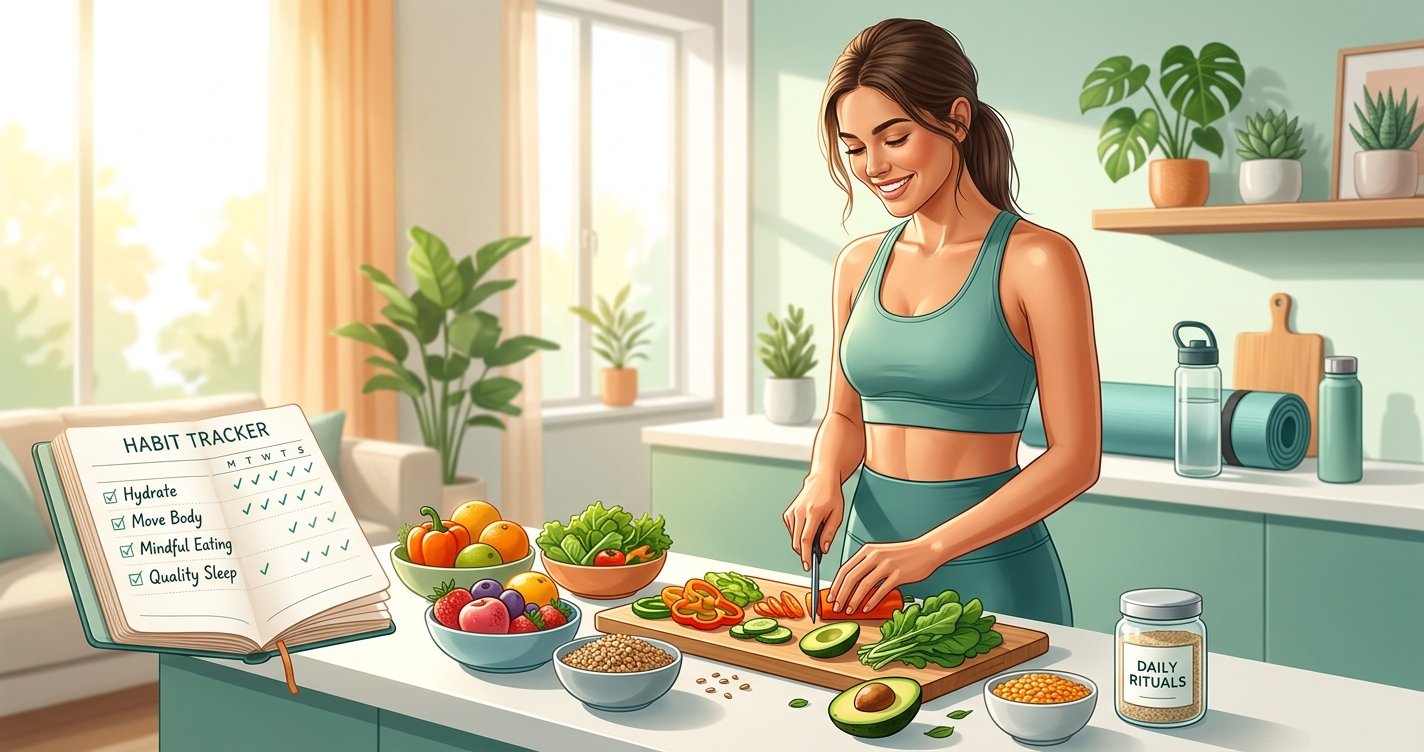
Tired of the Yo-Yo? Discover Sustainable Fat Loss Habits That Last
Let's be honest: the world of fat loss is often painted with promises of quick fixes, extreme diets, and overnight transformations. We've all been there, lured by the siren song of rapid results, only to find ourselves trapped in a frustrating cycle of restriction, rebound, and disappointment. But what if there was a better way? A path that not only helps you shed unwanted fat but also empowers you to maintain your results, feel incredible, and build a truly healthy relationship with your body?
Welcome to the world of sustainable fat loss. This isn't about deprivation or temporary fixes; it's about understanding your body, building consistent habits, and making choices that support your well-being for the long haul. In this evidence-based guide, we'll dive deep into the science behind lasting fat loss, moving beyond the scale to cultivate a lifestyle that truly serves you. Get ready to ditch the quick fixes and embrace a journey that delivers real, enduring results. this excellent wellness product
Why Quick Fixes Fail: The Science Behind the Rebound
The allure of rapid fat loss is powerful, but unfortunately, crash diets and extreme measures often backfire. Here's why:
The Yo-Yo Effect and Your Metabolism
When you drastically cut calories, your body perceives it as a famine. In response, your metabolism slows down to conserve energy. While you might lose weight initially (often a significant amount of water and muscle, not just fat), your body adapts. Once you return to a more normal eating pattern, your slowed metabolism is less efficient at burning calories, leading to rapid weight regain – often surpassing your original weight. This cycle, known as the "yo-yo effect," can even make it harder to lose weight in the future by negatively impacting your metabolic rate over time. Research consistently shows that extreme calorie restriction often leads to muscle loss, which further reduces your resting metabolic rate, making sustainable fat loss even more challenging.
The Psychological Toll of Deprivation
Beyond the physical, restrictive diets take a heavy psychological toll. Constant hunger, cravings, and the feeling of missing out can lead to stress, irritability, and an unhealthy preoccupation with food. This often culminates in intense cravings and eventual binge eating, creating a vicious cycle of guilt and shame. Sustainable fat loss acknowledges the importance of mental well-being and seeks to build habits that feel good, not just effective.
Building Your Foundation: The Pillars of Sustainable Fat Loss
True, lasting fat loss is built on a multi-faceted approach, addressing nutrition, movement, sleep, stress, and mindset. Let's explore these essential pillars:
Pillar 1: Smart Nutrition – Fueling Your Body, Not Just Restricting It
Sustainable nutrition isn't about endless restrictions; it's about nourishing your body with nutrient-dense foods in appropriate portions. The goal is to create a modest calorie deficit (consuming fewer calories than you burn) without feeling deprived.
- Prioritize Protein: Protein is crucial for satiety, muscle preservation, and has a higher thermic effect (meaning your body burns more calories digesting it). Aim for a good source of lean protein at every meal (chicken, fish, eggs, legumes, tofu, Greek yogurt).
- Embrace Fiber-Rich Foods: Vegetables, fruits, and whole grains are packed with fiber, which helps you feel full, supports digestive health, and stabilizes blood sugar.
- Healthy Fats Are Your Friends: Don't fear healthy fats from avocados, nuts, seeds, and olive oil. They are essential for hormone production, satiety, and nutrient absorption.
- Mindful Eating: Pay attention to your hunger and fullness cues. Eat slowly, savor your food, and avoid distractions. This helps you recognize when you're satisfied, preventing overeating.
- Hydration: Often overlooked, adequate water intake is vital for metabolism, satiety, and overall health.
Pillar 2: Effective Movement – Finding Joy in Being Active
Exercise isn't just about burning calories; it's about building strength, improving cardiovascular health, boosting mood, and enhancing your metabolism. Find activities you genuinely enjoy to ensure consistency.
- Strength Training: Incorporate resistance training 2-3 times per week. Building muscle mass is key for sustainable fat loss, as muscle burns more calories at rest than fat tissue.
- Cardiovascular Exercise: Aim for 150-300 minutes of moderate-intensity cardio (brisk walking, jogging, cycling, swimming) or 75-150 minutes of vigorous-intensity cardio per week.
- NEAT (Non-Exercise Activity Thermogenesis): Increase your daily movement outside of structured workouts. Take the stairs, park further away, walk during calls, or stand more often. Every bit adds up!
Pillar 3: Prioritizing Sleep – The Unsung Hero of Fat Loss
Often underestimated, sleep plays a critical role in hormonal balance and fat loss. Chronic sleep deprivation can sabotage your efforts.
- Hormonal Impact: Lack of sleep disrupts hunger-regulating hormones. Ghrelin (the hunger hormone) increases, while leptin (the satiety hormone) decreases, leading to increased appetite and cravings, especially for high-carb, high-fat foods.
- Cortisol Levels: Poor sleep elevates cortisol, the stress hormone, which can promote fat storage, particularly around the abdominal area.
- Energy Levels: When you're tired, you're less likely to have the energy or motivation to exercise and make healthy food choices. Aim for 7-9 hours of quality sleep per night.
Pillar 4: Stress Management – Taming the Cortisol Beast
In our fast-paced world, chronic stress is a silent fat-loss saboteur. Just like sleep deprivation, chronic stress leads to elevated cortisol levels.
- Fat Storage: High cortisol can increase appetite, promote cravings for comfort foods, and encourage the body to store fat, especially visceral fat around the organs.
- Inflammation: Chronic stress contributes to systemic inflammation, which can hinder metabolic function and make fat loss more difficult.
- Coping Mechanisms: Many people turn to food as a coping mechanism for stress, leading to emotional eating.
- Practical Strategies: Incorporate stress-reducing activities into your daily routine: meditation, yoga, deep breathing exercises, spending time in nature, hobbies, or connecting with loved ones.
Pillar 5: Cultivating a Growth Mindset – Your Mental Game Changer
Sustainable fat loss is as much a mental game as it is a physical one. Your mindset dictates your resilience and long-term success.
- Patience and Persistence: Understand that progress isn't linear. There will be good days and challenging days. Focus on consistency over perfection.
- Self-Compassion: Be kind to yourself. If you have a setback, don't let it derail your entire journey. Learn from it and get back on track.
- Focus on Non-Scale Victories: Celebrate increased energy, better sleep, stronger lifts, clothes fitting better, improved mood, and enhanced overall well-being. These are true indicators of progress.
- Positive Self-Talk: Challenge negative thoughts and reframe them. Believe in your ability to make lasting changes.
Practical Steps for Starting Your Sustainable Journey Today
Ready to embark on a journey that truly transforms? Here's how to start building your sustainable habits:
Small Changes, Big Impact: The Power of Incremental Progress
Don't try to overhaul everything at once. Pick one or two small, actionable changes you can realistically commit to each week. For example:
- Add a serving of vegetables to one meal daily.
- Go for a 15-minute walk after dinner.
- Drink an extra glass of water in the morning.
- Swap one sugary drink for water.
These small victories build momentum and confidence, making larger changes feel more manageable over time.
Tracking and Adjusting: Listening to Your Body
While not strictly necessary long-term, briefly tracking your food intake and activity can provide valuable insights. It helps you understand your current habits, identify areas for improvement, and ensure you're in a moderate calorie deficit. Use a food diary or app for a few days to get a baseline. Pay attention to how different foods and activities make you feel, and adjust based on your body's signals.
Seeking Support: You Don't Have to Do It Alone
Surround yourself with people who support your goals. This could be a friend, family member, online community, or a certified coach. Having accountability and encouragement can make a significant difference, especially on challenging days. Remember, asking for help is a sign of strength, not weakness.
Embrace the Journey to Lasting Health
Sustainable fat loss is not a sprint; it's a marathon of consistent, intentional choices that build a healthier, happier you. By focusing on smart nutrition, effective movement, quality sleep, stress management, and a resilient mindset, you're not just losing weight – you're building a foundation for lifelong well-being. Ditch the quick fixes and embrace the power of sustainable habits. Your body, mind, and future self will thank you. Start today, one small, powerful habit at a time. You've got this!