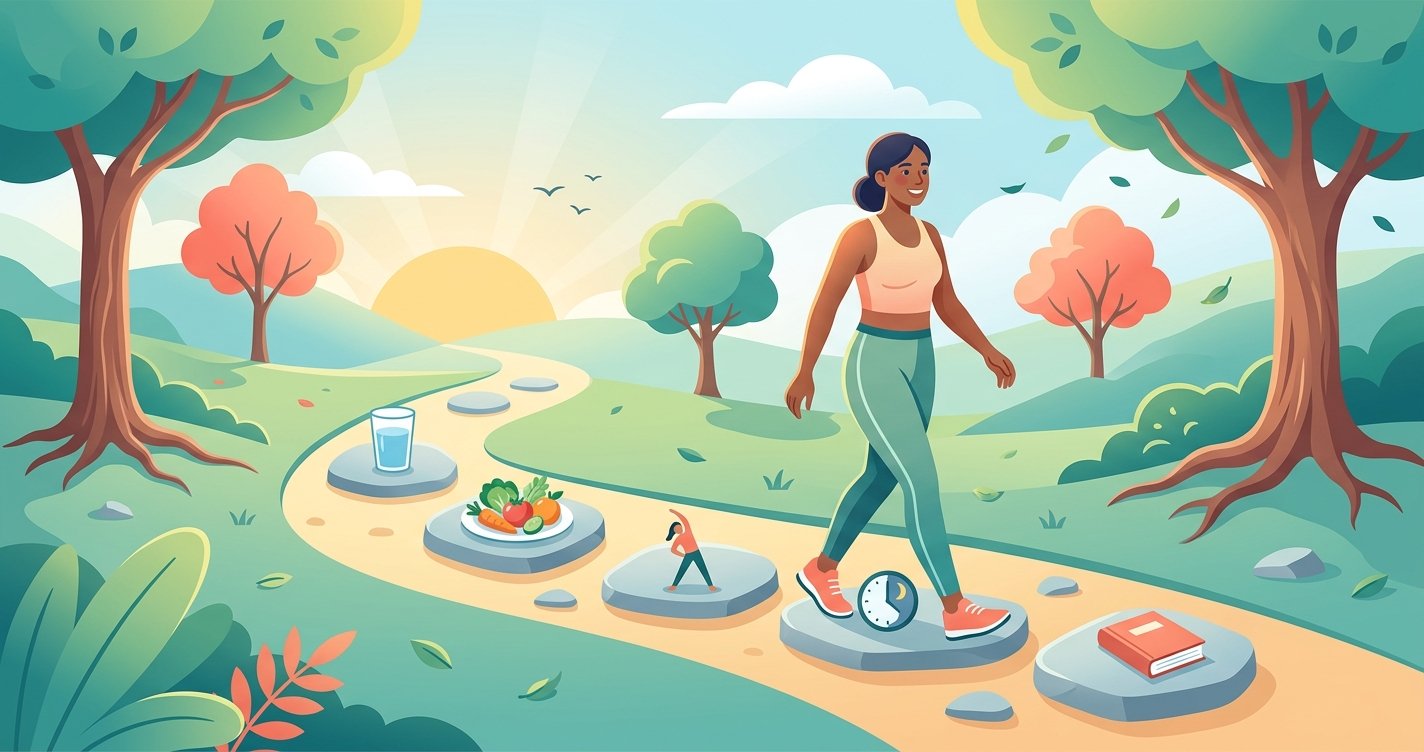
Are you tired of the endless cycle of restrictive diets, quick fixes, and the frustrating rebound of weight gain? You’re not alone. In a world obsessed with instant results, it’s easy to fall prey to promises of rapid fat loss. But what if we told you that the secret to truly lasting fat loss isn’t about deprivation or extreme measures, but about building sustainable habits that nourish your body and mind for the long haul?
This isn't about a temporary diet; it's about a lifestyle transformation. We’ll dive deep into science-backed strategies for sustainable fat loss, focusing on practical, actionable steps you can integrate into your everyday life. Get ready to ditch the yo-yo dieting and embrace a path to a healthier, happier you that actually lasts. this excellent wellness product
The Pitfalls of Quick Fixes: Why Sustainability Matters More
The allure of dropping 10 pounds in a week is powerful, but these rapid methods often come at a cost. Extreme calorie restriction, detoxes, or fad diets might deliver initial weight loss, but they rarely lead to sustainable fat loss. Why?
The Yo-Yo Cycle Explained
When you drastically cut calories, your body perceives it as a famine. It responds by slowing down your metabolism to conserve energy, and often, you lose a significant amount of muscle mass along with fat. Muscle is metabolically active, meaning it burns more calories at rest. When you lose muscle, your basal metabolic rate (BMR) drops, making it easier to regain weight once you return to normal eating patterns. This is the notorious yo-yo effect, leaving you heavier and more frustrated than before.
Beyond the Scale: Health Implications
Beyond the mental toll, quick fixes can lead to nutrient deficiencies, hormonal imbalances, and even damage to your relationship with food. Sustainable fat loss, conversely, prioritizes nutrient density, balanced eating, and a healthy approach to exercise, supporting overall well-being alongside body composition improvements.
The Cornerstone of Sustainable Fat Loss: A Gentle Calorie Deficit
At its core, fat loss comes down to consuming fewer calories than your body burns – a calorie deficit. However, the key to sustainability is making this deficit gentle and consistent, not drastic.
Understanding Your Energy Needs
Your body burns calories constantly, even at rest, to perform basic functions (BMR). Add to that the calories burned through daily activities and exercise, and you get your Total Daily Energy Expenditure (TDEE). To lose fat, you need to eat slightly below your TDEE, typically a deficit of 300-500 calories per day. This allows for steady, manageable fat loss (around 1-2 pounds per week) without triggering extreme metabolic slowdown or intense hunger.
The Importance of Whole Foods
While a calorie is a calorie for weight loss, the source of those calories profoundly impacts your health, satiety, and energy levels. Prioritizing whole, unprocessed foods like lean proteins, fruits, vegetables, and whole grains provides essential nutrients, keeps you feeling fuller for longer, and supports metabolic health. Think nutrient density over empty calories.
Fueling Your Body Right: Nutrition Strategies That Last
Sustainable eating isn't about perfection; it's about making smart, consistent choices that you can maintain.
Prioritize Protein and Fiber
- Protein: Essential for building and maintaining muscle mass, protein is also incredibly satiating. It has a higher thermic effect of food (TEF), meaning your body burns more calories digesting it. Aim for a good source of protein at every meal (e.g., chicken, fish, beans, lentils, tofu, eggs).
- Fiber: Found in fruits, vegetables, whole grains, and legumes, fiber adds bulk to your meals, promoting fullness and aiding digestion. It also helps stabilize blood sugar levels, preventing energy crashes and cravings.
Smart Carb and Fat Choices
- Carbohydrates: Choose complex carbohydrates like oats, brown rice, quinoa, and sweet potatoes over refined sugars and white bread. These provide sustained energy and fiber.
- Healthy Fats: Don't fear fats! Healthy fats from avocados, nuts, seeds, and olive oil are crucial for hormone production, nutrient absorption, and satiety. Just remember they are calorie-dense, so portion control is key.
Mindful Eating: Beyond What You Eat
How you eat is just as important as what you eat. Practice mindful eating by paying attention to your hunger and fullness cues, eating slowly, and savoring your meals. This helps prevent overeating and fosters a healthier relationship with food. Put away distractions, chew slowly, and truly taste your food.
Moving Your Body: Exercise for Longevity and Fat Loss
Exercise isn't just about burning calories; it's about building strength, improving cardiovascular health, boosting mood, and enhancing your metabolism.
Strength Training: Your Metabolic Ally
Resistance training (lifting weights, bodyweight exercises) is perhaps the most underrated tool for sustainable fat loss. It helps you build and preserve muscle mass, which keeps your metabolism humming. Aim for 2-3 full-body strength training sessions per week. You don't need a gym; bodyweight exercises like squats, push-ups, and lunges are incredibly effective.
Cardio: For Heart Health and Calorie Burn
Cardiovascular exercise (walking, jogging, cycling, swimming) is excellent for heart health, endurance, and burning extra calories. Incorporate a mix of moderate-intensity cardio (like brisk walking) and occasional higher-intensity intervals (like HIIT) to keep things interesting and effective. Even a daily 30-minute walk can make a significant difference.
The Power of NEAT (Non-Exercise Activity Thermogenesis)
Don't underestimate the power of simply moving more throughout your day. NEAT includes all the calories you burn from activities outside of structured exercise – walking to the store, taking the stairs, fidgeting, doing housework. Small increases in NEAT can add up significantly over time, contributing to your overall calorie expenditure.
The Often-Overlooked Pillars: Sleep, Stress, and Support
Fat loss isn't just about food and exercise; your overall lifestyle plays a massive role.
The Sleep-Weight Connection
Lack of sleep disrupts hormones that regulate hunger and satiety (ghrelin and leptin), making you hungrier and more prone to cravings for high-calorie foods. Aim for 7-9 hours of quality sleep per night to support hormonal balance and energy levels for making healthy choices.
Taming Stress Hormones
Chronic stress elevates cortisol levels, which can promote fat storage, particularly around the abdomen. Find healthy ways to manage stress, whether it's meditation, yoga, spending time in nature, or hobbies you enjoy. Prioritizing mental well-being is crucial for sustainable results.
Building a Supportive Environment
Surround yourself with people who support your health goals. Share your journey with friends or family, consider joining a fitness class, or find an accountability partner. A strong support system can make challenging times much easier to navigate.
Building Lasting Habits: Small Changes, Big Results
Sustainable fat loss isn't a race; it's a marathon of consistent, small improvements.
Start Small and Be Consistent
Don't try to overhaul everything at once. Pick one or two small habits to focus on each week – maybe drinking more water, adding protein to breakfast, or taking a 15-minute walk. Consistency with small changes creates momentum and makes them stick.
Track Your Progress (But Don't Obsess)
Monitoring your food intake, exercise, or even just how you feel can provide valuable insights. However, avoid becoming overly obsessive. Use tracking as a tool for awareness and adjustment, not as a source of anxiety. Focus on trends and overall progress, not daily fluctuations.
Embrace Imperfection and Learn from Setbacks
There will be days when you overeat, skip a workout, or feel discouraged. This is normal! Sustainable fat loss isn't about being perfect; it's about getting back on track after a stumble. Treat setbacks as learning opportunities, not reasons to give up. Self-compassion is a powerful tool for long-term success.
Your Journey to Sustainable Fat Loss Starts Now
Achieving sustainable fat loss is a journey of empowerment, self-discovery, and building a healthier relationship with your body. It's about nurturing your well-being, not punishing yourself. By focusing on whole foods, consistent movement, adequate sleep, stress management, and building small, lasting habits, you can create a lifestyle that supports your goals for years to come.
Remember, true success isn't just about the number on the scale; it's about feeling energized, confident, and healthy in your own skin. Embrace this process with patience, kindness, and a commitment to your long-term health. You've got this!