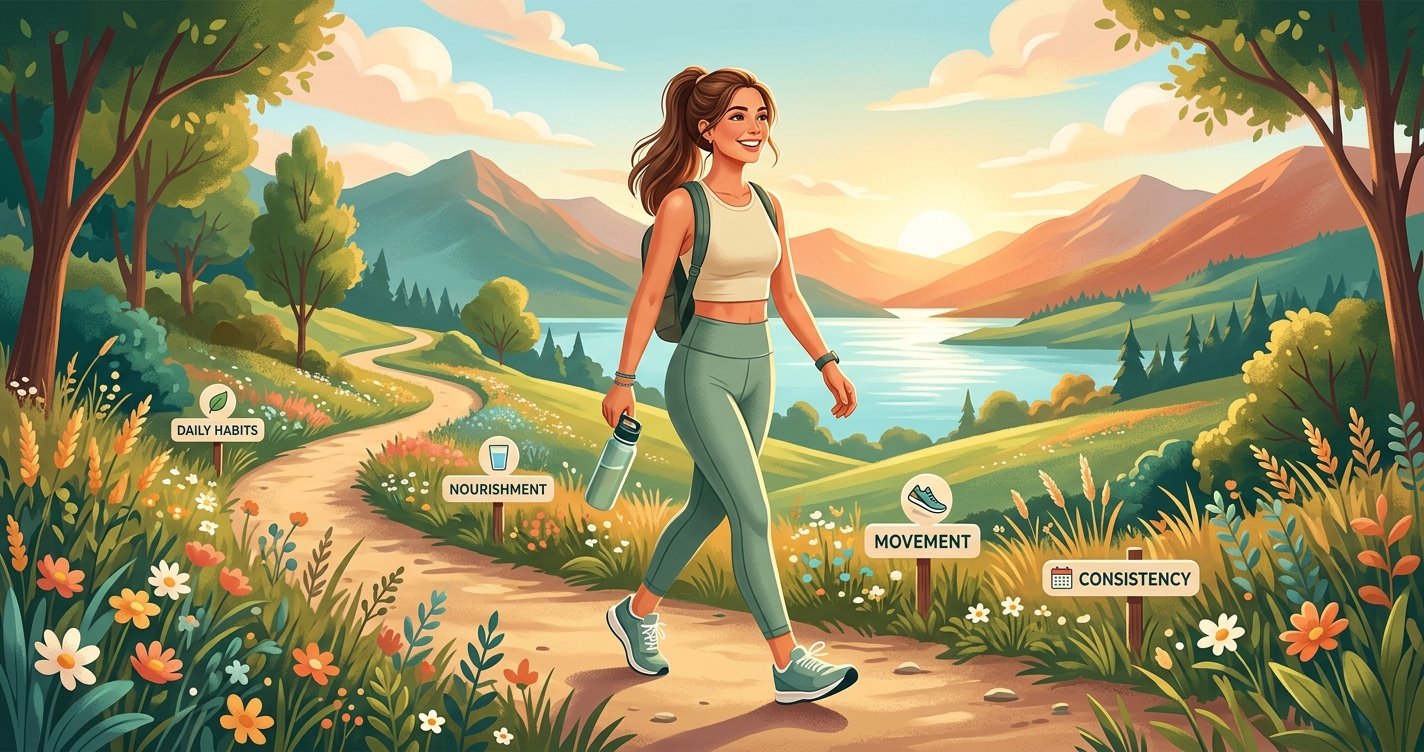
Are you tired of the endless cycle of crash diets, intense workout programs, and the inevitable rebound? You're not alone. Many people embark on a fat loss journey with high hopes, only to find themselves frustrated and back where they started. The truth is, sustainable fat loss isn't about quick fixes; it's about understanding your body, making informed choices, and building habits that seamlessly integrate into your life for the long haul.
This isn't another promise for overnight transformation. Instead, we'll explore an evidence-based, friendly, and encouraging path to achieving your fat loss goals by focusing on consistency, patience, and self-compassion. Let's ditch the deprivation mindset and embrace a lifestyle that supports a healthier, happier you. this excellent wellness product
Why Quick Fixes Fail: The Cycle of Frustration
The allure of rapid results is powerful. Promises of losing 10 pounds in a week or shredding fat with a single magic pill are everywhere. While these methods might offer temporary relief, they rarely address the underlying behaviors and physiological adaptations needed for lasting change. Extreme calorie restriction often leads to nutrient deficiencies, muscle loss (not just fat!), and a plummeting metabolism. Your body, designed for survival, perceives this as a threat and fights back, making it harder to maintain results and often leading to weight regain once the strict regimen ends.
This yo-yo dieting cycle isn't just physically taxing; it's emotionally draining. It erodes self-esteem and makes future attempts at fat loss seem daunting. Our goal is to break this cycle by focusing on strategies that are enjoyable, effective, and, most importantly, sustainable.
The Foundation: Understanding Energy Balance (The Calorie Deficit)
At its core, fat loss boils down to one fundamental principle: consuming fewer calories than your body burns. This is known as creating a calorie deficit. While it sounds simple, the execution requires a nuanced approach that prioritizes health and sustainability over extreme restriction.
It's Not About Starvation, It's About Smart Choices
A sustainable calorie deficit isn't about eating minimal food; it's about eating the right foods in the right amounts. A moderate deficit, typically 300-500 calories below your maintenance level, allows for steady fat loss (around 1-2 pounds per week) without triggering extreme hunger or metabolic slowdown. This approach is much more manageable and supports long-term adherence.
- Track Your Intake (Initially): For a few days, honestly log everything you eat and drink to understand your current calorie intake. This isn't forever, just a learning tool.
- Understand Portion Sizes: Learn what a serving size truly looks like. Small adjustments can make a big difference.
- Prioritize Volume: Fill your plate with high-fiber, low-calorie foods like vegetables to feel full without excess calories.
- Listen to Your Body: Eat when you're hungry, stop when you're satisfied, not stuffed.
Fueling Your Body for Fat Loss: Nutrition Strategies That Work
Once you understand the calorie deficit, the next step is optimizing your food choices. This isn't about eliminating entire food groups; it's about choosing nutrient-dense options that support your energy levels, satiety, and overall health.
Prioritize Protein
Protein is your best friend for fat loss. It's highly satiating, meaning it keeps you feeling fuller for longer, which naturally helps reduce overall calorie intake. Furthermore, adequate protein intake is crucial for preserving muscle mass while in a calorie deficit, ensuring that the weight you lose is primarily fat, not valuable muscle tissue.
- Lean Meats: Chicken breast, turkey, lean beef.
- Fish: Salmon, cod, tuna.
- Eggs: A complete protein source.
- Dairy: Greek yogurt, cottage cheese.
- Plant-Based: Lentils, beans, tofu, tempeh, edamame.
Embrace Whole Foods
Whole, unprocessed foods are packed with vitamins, minerals, and fiber. They provide sustained energy, support digestive health, and contribute to overall well-being. Think vibrant fruits, crunchy vegetables, and hearty whole grains.
Fiber, in particular, plays a significant role in fat loss. It adds bulk to your meals, slowing digestion and promoting satiety. Aim for a diverse range of colorful produce to maximize your nutrient intake.
Smart Carb and Healthy Fat Choices
Carbohydrates and fats have often been demonized in the fat loss world, but both are essential for bodily functions and energy. The key is to choose wisely.
Carbohydrates: Opt for complex carbohydrates like oats, quinoa, brown rice, sweet potatoes, and whole-grain bread. These provide sustained energy and fiber, unlike refined carbs which can lead to energy crashes and cravings.
Healthy Fats: Fats are crucial for hormone production, nutrient absorption, and satiety. Include sources like avocados, nuts, seeds, olive oil, and fatty fish. While healthy, remember fats are calorie-dense, so portion control is still important.
Moving Your Body: Exercise for Sustainable Results
While nutrition is paramount for fat loss, exercise is the powerful accelerator. It burns calories, builds muscle, improves metabolism, and offers immense benefits for mental and physical health.
Strength Training: Your Fat Loss Superpower
If you're not lifting weights, you're missing out on one of the most effective tools for fat loss. Building muscle increases your resting metabolic rate, meaning you burn more calories even when you're not exercising. It also helps sculpt your body, leading to a leaner, more toned physique.
- Start Simple: Begin with bodyweight exercises or light weights if you're new to it.
- Aim for Consistency: 2-4 sessions per week are a great starting point.
- Focus on Compound Movements: Exercises like squats, deadlifts, presses, and rows work multiple muscle groups simultaneously, maximizing your effort.
Cardio: The Heart of the Matter
Cardiovascular exercise is excellent for burning calories, improving heart health, and boosting your mood. You don't need to spend hours on a treadmill; find activities you enjoy.
- Moderate Intensity: Brisk walking, jogging, cycling, swimming.
- High-Intensity Interval Training (HIIT): Short bursts of intense exercise followed by brief recovery periods can be very effective and time-efficient.
The Power of NEAT (Non-Exercise Activity Thermogenesis)
Beyond structured workouts, increasing your daily non-exercise activity can significantly contribute to your calorie expenditure. Think about all the little movements you do throughout the day.
- Take the stairs instead of the elevator.
- Park further away from your destination.
- Walk or cycle for short errands.
- Stand more, sit less (e.g., standing desk).
- Take short walking breaks during work.
Beyond Diet and Exercise: Lifestyle Factors for Lasting Success
Fat loss isn't just about what you eat and how you move; it's deeply intertwined with your overall lifestyle. Overlooking these crucial elements can sabotage even the most diligent efforts.
The Critical Role of Sleep
Poor sleep can wreak havoc on your fat loss efforts. When you're sleep-deprived, your body produces more ghrelin (a hunger-stimulating hormone) and less leptin (a satiety hormone), leading to increased cravings, especially for high-calorie, high-carb foods. It also elevates cortisol, the stress hormone, which can promote fat storage around the midsection.
- Aim for 7-9 Hours: Prioritize consistent, quality sleep.
- Create a Routine: Go to bed and wake up at similar times, even on weekends.
- Optimize Your Environment: Dark, quiet, and cool bedroom.
- Limit Screens: Avoid electronic devices an hour before bed.
Managing Stress for a Healthier You
Chronic stress, like sleep deprivation, triggers the release of cortisol. Elevated cortisol levels can lead to increased appetite, cravings for comfort foods, and a tendency to store fat, particularly in the abdominal area. Finding healthy ways to manage stress is vital for both your mental and physical well-being.
- Mindfulness & Meditation: Even a few minutes a day can make a difference.
- Deep Breathing Exercises: Simple techniques to calm your nervous system.
- Hobbies: Engage in activities you enjoy to unwind.
- Social Connection: Spend time with loved ones.
Hydration: Simple Yet Powerful
Often underestimated, adequate water intake is crucial. Water helps with metabolism, can reduce appetite (sometimes thirst is mistaken for hunger), and supports overall bodily functions. Aim for at least 8 glasses (around 2 liters) per day, more if you're active or in a hot climate.
Building Habits That Stick: The Mindset Shift
The journey to sustainable fat loss is less about willpower and more about consistent, small actions that become engrained habits. It's a marathon, not a sprint, and your mindset is your most powerful tool.
- Focus on Small, Achievable Changes: Instead of overhauling everything at once, pick one or two habits to work on each week. For example, add a serving of vegetables to every meal, or commit to a 15-minute walk daily.
- Progress Over Perfection: There will be days when you slip up. That's okay! Don't let one 'bad' meal or missed workout derail your entire journey. Acknowledge it, learn from it, and get back on track with your next choice.
- Be Patient and Kind to Yourself: Fat loss takes time, and results aren't always linear. Celebrate small victories, recognize your efforts, and practice self-compassion. Your body is doing incredible work; treat it with respect.
- Seek Support: Share your goals with a supportive friend, family member, or a professional. Accountability can be a powerful motivator.
Conclusion: Your Journey to Lasting Change
Sustainable fat loss isn't about chasing fleeting trends or punishing yourself; it's about making peace with food, enjoying movement, and cultivating a healthy lifestyle that serves you for years to come. By understanding the principles of energy balance, making smart nutritional choices, incorporating effective exercise, prioritizing sleep and stress management, and fostering a resilient mindset, you can achieve lasting results.
This journey is unique to you. Be curious, be consistent, and be kind to yourself. Embrace the process of building habits that not only help you reach your fat loss goals but also enhance your overall well-being. Your sustainable transformation starts now – one mindful choice at a time.