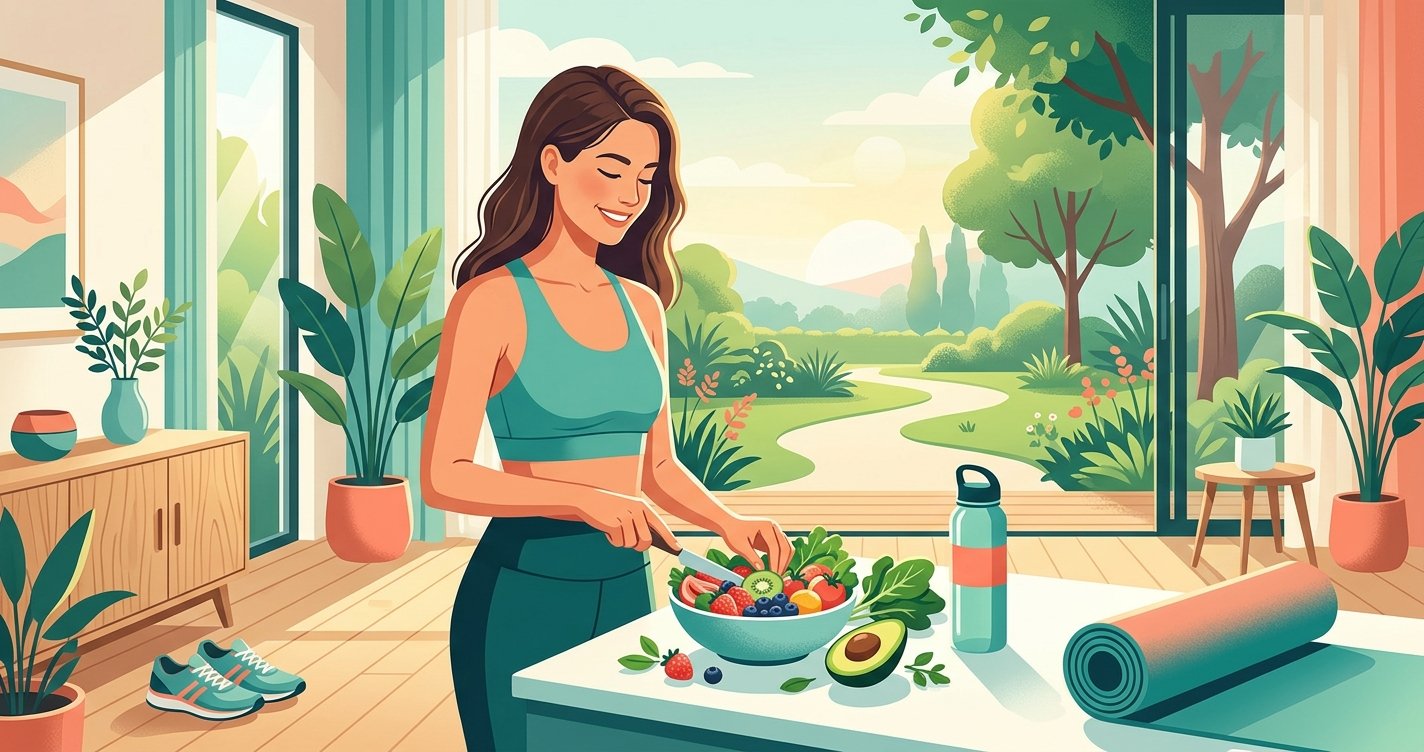
We've all been there. The alluring promise of a rapid transformation, the dream of shedding those extra pounds in record time. Crash diets, extreme detoxes, restrictive eating plans – they pop up everywhere, offering what seems like a shortcut to your fat loss goals. But if you're like most people, you've probably experienced the familiar cycle: initial excitement, rapid weight loss (often water and muscle, not just just fat!), followed by an inevitable plateau, a surge of cravings, and ultimately, regaining the weight, sometimes even more. It's frustrating, disheartening, and frankly, unsustainable.
What if I told you there's a better way? A path to fat loss that doesn't involve starvation, deprivation, or feeling miserable? Welcome to the world of sustainable fat loss – a journey focused on building healthy habits that not only help you lose fat but also keep it off for good, fostering a healthier, happier you in the long run. This isn't about quick fixes; it's about lasting transformation and embracing a lifestyle that truly supports your well-being. this excellent wellness product
Why Crash Diets Crash and Burn (and Take Your Motivation With Them)
Before we dive into what truly works, let's understand why the 'quick fix' usually backfires. When you drastically cut calories, your body, in its ancient wisdom, thinks it's starving. It responds by slowing down your metabolism to conserve energy – this is known as metabolic adaptation. This means you burn fewer calories even at rest. Worse, extreme calorie restriction often leads to muscle loss, which is counterproductive because muscle tissue burns significantly more calories than fat tissue. So, you're not just losing weight; you're potentially sabotaging your long-term calorie-burning potential.
Beyond the physical, the psychological toll of crash diets is immense. Constant hunger, deprivation, and rigid rules often lead to intense cravings and eventual 'cheating' or bingeing, followed by guilt and self-blame. This creates a vicious cycle that erodes motivation and makes you feel like a failure, when in reality, the diet itself was designed to fail. True sustainable fat loss requires a different approach – one that respects your body and mind.
The Cornerstone of Sustainable Fat Loss: A Smart Calorie Deficit
At its core, fat loss boils down to one fundamental principle: consuming fewer calories than your body expends. This is called a calorie deficit. However, the 'smart' part is crucial. Instead of a drastic cut that shocks your system, aim for a moderate, sustainable deficit – typically 250-500 calories below your maintenance level. This allows your body to tap into its fat stores for energy without triggering extreme metabolic slowdown or intense hunger.
Achieving this deficit doesn't mean eating tiny portions of bland food. It means making smarter choices. Focus on nutrient-dense, whole foods that provide satiety and essential nutrients. Prioritize lean proteins (chicken, fish, beans, lentils), high-fiber vegetables, and fruits. These foods fill you up for fewer calories, making the deficit feel less like a struggle and more like a natural shift in your eating habits.
Why Protein and Fiber Are Your Best Friends
- Protein: This macronutrient is king for fat loss. It's highly satiating, meaning it keeps you feeling full longer, reducing overall calorie intake. It also helps preserve precious muscle mass during a calorie deficit, which is vital for maintaining a healthy metabolism. Aim for about 0.7-1 gram of protein per pound of body weight.
- Fiber: Found abundantly in fruits, vegetables, whole grains, and legumes, fiber adds bulk to your meals, aids digestion, and also contributes significantly to satiety. High-fiber foods help stabilize blood sugar, preventing energy crashes and subsequent cravings.
Fueling Your Body, Not Just Filling It: Understanding Macronutrients
Forget the idea that certain macronutrients are 'bad.' Sustainable fat loss isn't about cutting out entire food groups; it's about making intelligent choices within them. A balanced approach that includes all three macronutrients is key for energy, satiety, and overall health.
- Protein: As discussed, essential for muscle and satiety. Include a good source with every meal.
- Healthy Fats: Essential for hormone production, nutrient absorption (especially fat-soluble vitamins), and overall cellular health. Don't fear fats, but choose wisely and mindfully. Opt for sources like avocados, nuts, seeds, olive oil, and fatty fish. Remember, fats are calorie-dense, so portion control is important.
- Complex Carbohydrates: Your body's preferred energy source. Opt for whole grains (oats, quinoa, brown rice), sweet potatoes, and a wide variety of fruits and vegetables over refined sugars and processed carbs. They provide sustained energy, fiber, and vital micronutrients, preventing energy crashes and intense cravings.
Move Your Body, Love Your Body: Exercise for Fat Loss and Beyond
While nutrition is often said to be 80% of fat loss, exercise is the powerful accelerator and a cornerstone for overall health and body composition. It's not just about burning calories in the moment; it's about building a stronger, more resilient body.
- Strength Training: This is non-negotiable for sustainable fat loss. Lifting weights (or using bodyweight exercises) helps build and preserve muscle mass. More muscle means a higher resting metabolic rate, meaning you burn more calories even when you're not exercising. It also sculpts your body, giving you a leaner, more toned physique. Aim for 2-4 sessions per week, focusing on compound movements like squats, deadlifts, presses, and rows.
- Cardiovascular Exercise: Think walking, jogging, cycling, swimming, dancing, or hiking. Cardio burns calories, improves heart health, boosts your mood, and enhances endurance. Find activities you genuinely enjoy, making it easier to stick with them long-term. A mix of moderate-intensity cardio (like brisk walking) and occasional high-intensity interval training (HIIT) can be very effective for fat loss and cardiovascular fitness.
Remember, the best exercise is the one you actually do consistently. Don't feel pressured to hit the gym for hours if you hate it. Find something that brings you joy and makes you feel good, whether it's dancing, gardening, or playing a sport.
The Unsung Heroes: Sleep, Stress, and Hydration
You can eat perfectly and train consistently, but if you neglect these three crucial pillars, your fat loss efforts will be an uphill battle. They play a profound role in regulating hormones and overall bodily functions.
- Sleep: Lack of quality sleep wreaks havoc on your hunger hormones. It increases ghrelin (the 'hunger hormone') and decreases leptin (the 'satiety hormone'), leading to increased cravings, especially for high-calorie, sugary foods. Poor sleep also elevates cortisol, the stress hormone, which can promote fat storage. Aim for 7-9 hours of quality, uninterrupted sleep per night.
- Stress Management: Chronic stress elevates cortisol levels, which can promote fat storage, particularly around the abdominal area. Stress also often leads to emotional eating. Find healthy ways to manage stress – meditation, yoga, spending time in nature, engaging in hobbies, deep breathing exercises, or connecting with loved ones. Prioritizing mental well-being is vital for physical health.
- Hydration: Water is vital for virtually every bodily function, including metabolism, nutrient transport, and waste elimination. Drinking enough water can also help you feel fuller, potentially reducing overall calorie intake. Sometimes, what feels like hunger is actually thirst. Keep a water bottle handy and sip throughout the day; aim for at least 8 glasses, and more if you're active.
Mindset Matters: Cultivating Patience and Self-Compassion
Sustainable fat loss is a marathon, not a sprint. There will be plateaus, setbacks, and days where you feel unmotivated. This is entirely normal. The key is to cultivate a mindset of patience, consistency, and self-compassion.
- Embrace the Journey: Understand that progress isn't always linear. Your weight can fluctuate due to water retention, hormones, or even a tough workout. Focus on overall trends and how your clothes fit, not just the number on the scale.
- Consistency Over Perfection: Don't let one 'off' meal or missed workout derail your entire week. Acknowledge it, learn from it, and get back on track with your next meal or session. Progress is made through consistent effort, not flawless execution.
- Be Kind to Yourself: Treat yourself with the same encouragement and understanding you'd offer a friend. Celebrate small victories, recognize your efforts, and learn to reframe 'failures' as learning opportunities. This journey is about building a healthier relationship with your body and food, which takes time and kindness.
Conclusion
Sustainable fat loss isn't about quick fixes or extreme measures; it's about empowering yourself with knowledge and building a foundation of healthy habits that serve you for life. By focusing on a smart calorie deficit, nutrient-dense whole foods, consistent exercise, adequate sleep, effective stress management, and a compassionate mindset, you're not just losing fat – you're transforming your entire well-being. It's a journey of self-discovery, resilience, and ultimately, lasting health. Start small, stay consistent, and remember: you've got this. Your healthiest, happiest self is waiting.