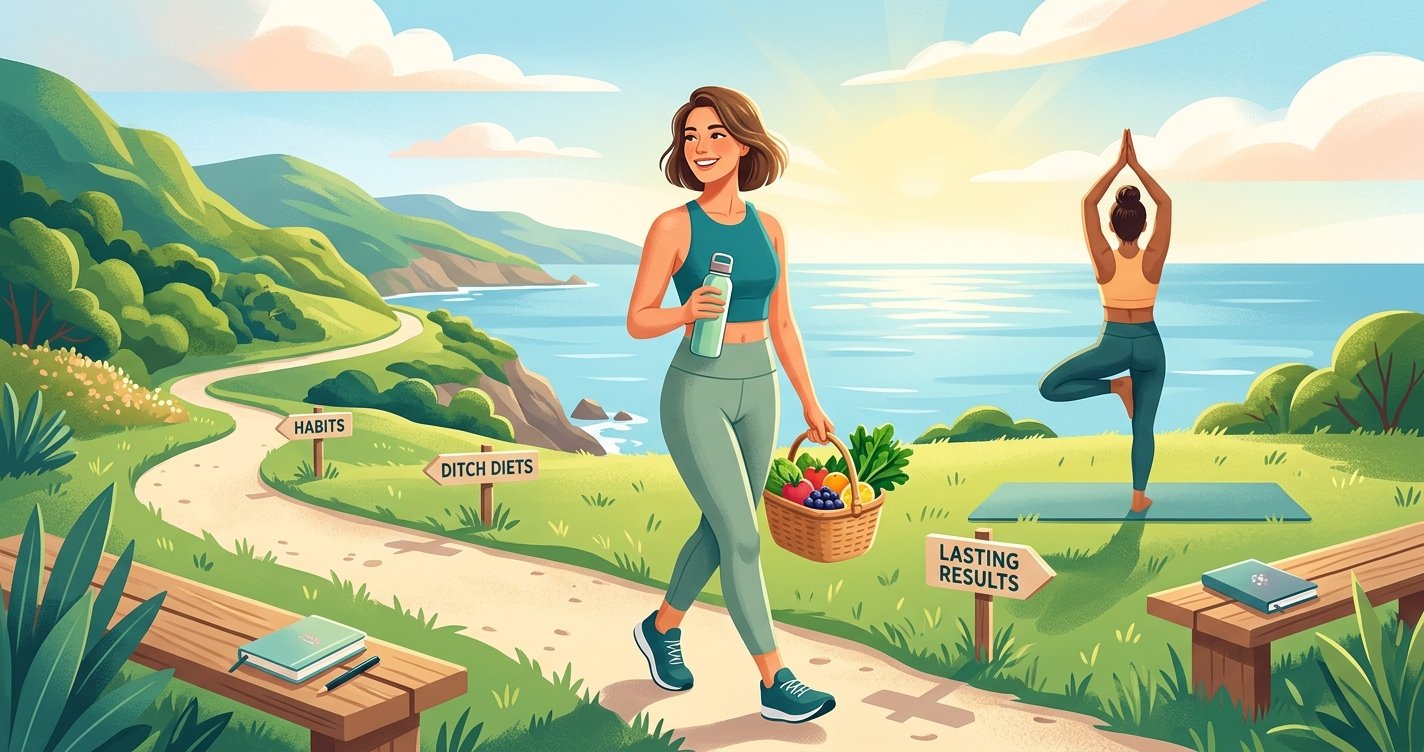
The Sustainable Fat Loss Playbook: Build Habits, Ditch Diets, See Lasting Results
Are you tired of the endless cycle of restrictive diets, quick fixes, and the inevitable rebound? It’s a frustrating journey many of us know all too well. You cut calories drastically, lose weight rapidly, only to find yourself back where you started (or even further behind) a few months later. What if there was a different way? A path to fat loss that doesn't involve deprivation, but rather empowerment and lasting change?
Welcome to the world of sustainable fat loss. This isn't about a magic pill or a 30-day challenge; it's about understanding your body, building healthy habits, and fostering a mindset that supports your goals for the long haul. We’re going to dive deep into the evidence-based pillars of sustainable fat loss, helping you create a lifestyle that not only sheds excess fat but also improves your overall health and well-being. Let's ditch the diet mentality and embrace a journey toward a healthier, happier you. this excellent wellness product
Why Quick Fixes Fail: Understanding the Yo-Yo Trap
The allure of rapid fat loss is powerful. Promises of dropping 10 pounds in a week can be incredibly tempting, but these extreme approaches often come at a cost. Very low-calorie diets, detoxes, and highly restrictive eating plans are notoriously difficult to maintain. They lead to:
- Metabolic Slowdown: Your body adapts to severe calorie restriction by lowering its metabolism to conserve energy, making it harder to lose weight and easier to regain it once you stop the diet.
- Muscle Loss: Rapid weight loss often comes from losing both fat and muscle. Muscle is metabolically active, meaning it burns more calories at rest. Losing muscle further hinders your long-term fat loss efforts.
- Nutrient Deficiencies: Extreme diets can deprive your body of essential vitamins and minerals, impacting energy levels, mood, and overall health.
- Psychological Burnout: Constant hunger, deprivation, and the mental effort required to stick to rigid rules can lead to increased stress, cravings, and ultimately, giving up.
The solution isn't to diet harder, but smarter. It's about shifting your focus from a temporary fix to building sustainable habits that support your body's natural ability to thrive and release excess fat.
Pillar 1: Nutrition – Fueling Your Body, Not Depriving It
Nutrition is arguably the most critical component of fat loss. But it doesn't mean eating tiny portions of bland food. It means making smart, consistent choices that nourish your body.
The Power of a Calorie Deficit (Without Starvation)
At its core, fat loss requires a calorie deficit – consuming slightly fewer calories than your body burns. However, “slightly” is the key. A modest deficit (e.g., 300-500 calories below maintenance) is sustainable, prevents extreme hunger, and helps preserve muscle mass. Think of it as nudging your body to use its fat stores for energy, rather than forcing it into survival mode.
Prioritize Protein and Fiber
These two macronutrients are your best friends for fat loss. Protein is essential for building and repairing muscle, and it's incredibly satiating, keeping you feeling full longer. Aim for a good source of protein at every meal (lean meats, fish, eggs, dairy, legumes, tofu). Fiber, found in fruits, vegetables, and whole grains, also aids satiety, supports healthy digestion, and helps regulate blood sugar levels. Loading up on fiber-rich foods means you can eat more volume for fewer calories.
Smart Carb and Fat Choices
Don't demonize entire food groups! Carbohydrates provide energy, especially for physical activity, and healthy fats are crucial for hormone production and nutrient absorption. Focus on complex carbohydrates like whole grains, sweet potatoes, and fruits, which provide sustained energy and fiber. Opt for healthy fats from sources like avocados, nuts, seeds, and olive oil, but remember they are calorie-dense, so moderation is key.
Hydration is Key
Often overlooked, adequate water intake is vital. Water plays a role in metabolism, helps transport nutrients, and can even help with satiety. Sometimes, what feels like hunger is actually thirst. Aim to drink plenty of water throughout the day.
Practical Nutrition Habits:
- Meal Prepping: Dedicate time to prepare healthy meals and snacks in advance to avoid last-minute unhealthy choices.
- Mindful Eating: Slow down, savor your food, and pay attention to your body's hunger and fullness cues.
- Portion Awareness: Learn what a healthy portion size looks like for different foods, without needing to weigh everything.
- Focus on Whole Foods: Prioritize unprocessed, nutrient-dense foods over highly processed options.
Pillar 2: Movement – Find Your Joy in Getting Active
Movement is not just about burning calories; it's about building strength, improving cardiovascular health, boosting mood, and enhancing your body's fat-burning potential.
Strength Training: Your Metabolic Supercharger
If you're serious about sustainable fat loss, strength training is non-negotiable. Building muscle increases your resting metabolic rate, meaning you burn more calories even when you're not exercising. It also improves body composition, giving you a leaner, more toned physique. You don't need to become a bodybuilder; 2-3 full-body strength sessions a week can make a huge difference. Start with bodyweight exercises or light weights and gradually progress.
Cardio for Heart Health and Calorie Burn
Cardiovascular exercise, like brisk walking, jogging, cycling, or swimming, is excellent for heart health, endurance, and burning additional calories. Find activities you genuinely enjoy, as this will significantly increase your consistency. Aim for at least 150 minutes of moderate-intensity cardio per week.
NEAT (Non-Exercise Activity Thermogenesis) Matters!
Don't underestimate the power of everyday movement. NEAT refers to the calories burned from non-exercise activities like walking, standing, fidgeting, and even cooking. Taking the stairs, parking further away, going for a short walk during your lunch break, or using a standing desk can significantly increase your daily calorie expenditure and contribute to overall fat loss.
Practical Movement Habits:
- Set Realistic Goals: Don't go from zero to hero overnight. Start small and gradually increase intensity or duration.
- Find an Accountability Partner: Working out with a friend or joining a class can boost motivation.
- Schedule Workouts: Treat your exercise sessions like important appointments you can't miss.
- Incorporate Movement into Daily Life: Look for opportunities to be more active throughout your day.
Pillar 3: Sleep & Stress Management – The Unsung Heroes of Fat Loss
Often overlooked, sleep and stress play a profound role in your ability to lose fat and keep it off. Ignoring them can sabotage even the best nutrition and exercise plans.
The Critical Role of Quality Sleep
When you don't get enough sleep, your body's hormonal balance goes haywire. Ghrelin, the hunger hormone, increases, while leptin, the satiety hormone, decreases, leading to increased cravings and a greater likelihood of overeating. Additionally, poor sleep elevates cortisol (the stress hormone), which can promote fat storage, especially around the belly. Aim for 7-9 hours of quality sleep per night.
Taming Stress for a Healthier You
Chronic stress also keeps cortisol levels elevated. Beyond increasing cravings, high cortisol can lead to insulin resistance and make it harder to lose fat, even in a calorie deficit. Finding effective ways to manage stress is crucial for both your physical and mental health. This could involve mindfulness, meditation, spending time in nature, pursuing hobbies, or connecting with loved ones.
Practical Sleep & Stress Habits:
- Consistent Sleep Schedule: Go to bed and wake up at roughly the same time each day, even on weekends.
- Wind-Down Routine: Create a relaxing routine before bed (e.g., reading, warm bath, gentle stretching).
- Limit Screen Time: Avoid screens (phones, tablets, TV) at least an hour before bed.
- Prioritize Self-Care: Make time for activities that help you relax and recharge.
Pillar 4: Mindset & Consistency – The Long Game Advantage
Sustainable fat loss is as much a mental game as it is a physical one. Your mindset and ability to stay consistent will determine your long-term success.
Shift from Perfection to Progress
No one is perfect, and neither will your fat loss journey be. There will be days you overeat, miss a workout, or feel discouraged. The key is to not let one setback derail your entire progress. View these moments as learning opportunities, adjust, and get back on track. Focus on consistent effort over perfect execution.
Tracking and Adapting
While not for everyone, some form of tracking (whether it’s calories, macros, workouts, or even just your mood and energy levels) can provide valuable insights. It helps you understand what works for your body and identify areas for improvement. Be prepared to adapt your strategies as your body changes and your goals evolve.
Building a Supportive Environment
Surround yourself with people who uplift and support your healthy choices. Share your goals with friends or family, consider joining a supportive community, or seek guidance from a qualified coach or nutritionist if you need personalized advice. You don't have to do this alone.
Your Sustainable Fat Loss Journey Starts Now
Sustainable fat loss isn't about quick fixes; it's about building a healthier, more resilient you. By focusing on smart nutrition, enjoyable movement, restorative sleep, effective stress management, and a positive mindset, you can break free from the yo-yo cycle and achieve lasting results. Remember, patience, consistency, and self-compassion are your greatest allies.
Start small, choose one or two habits from each pillar to focus on, and gradually build from there. Celebrate your progress, learn from your setbacks, and trust the process. Your journey towards a healthier, happier you is a marathon, not a sprint. You've got this!