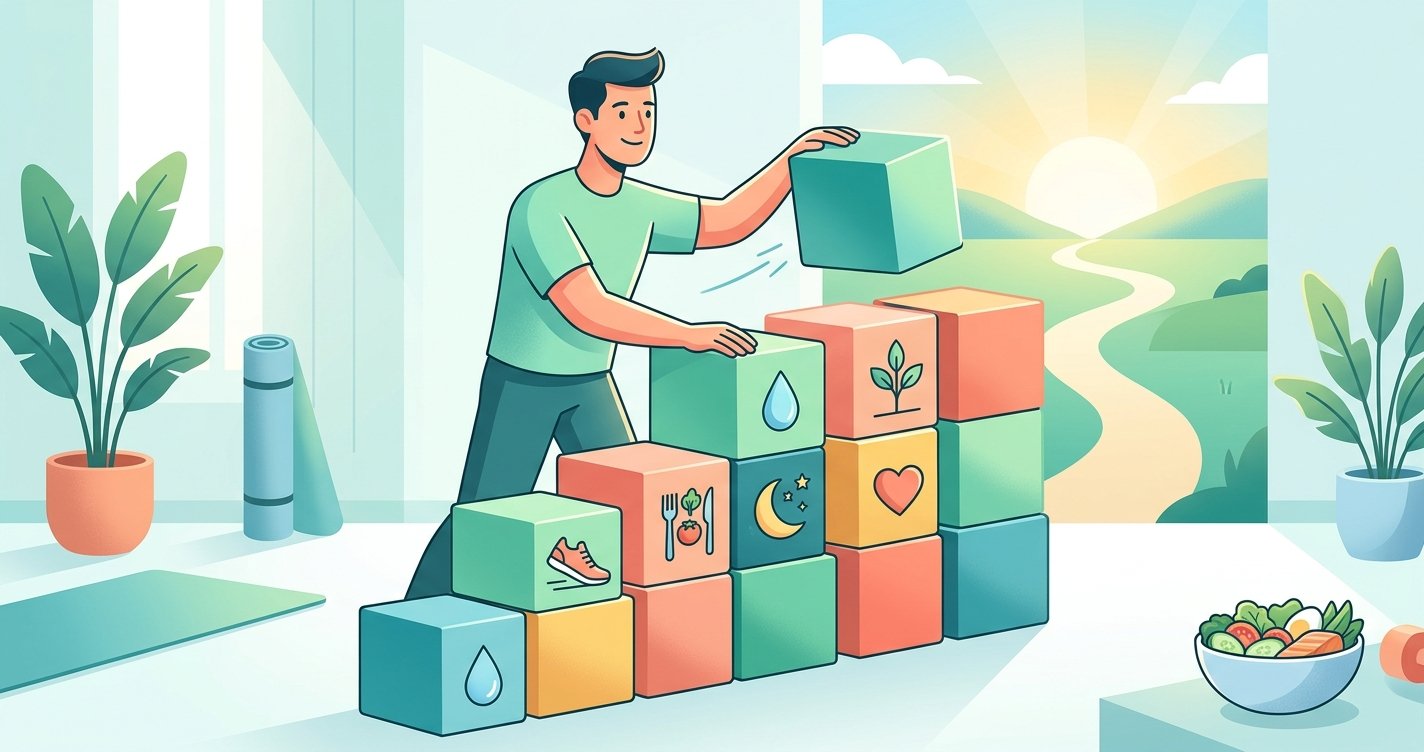
Are you tired of the endless cycle of crash diets, rapid weight loss, and then, inevitably, gaining it all back – and sometimes more? You’re not alone. The world of fat loss is often riddled with quick fixes and extreme promises that rarely deliver sustainable results. But what if there was a better way? A path focused on building lasting habits that not only help you achieve your fat loss goals but also dramatically improve your overall health and well-being?
This isn't about deprivation or punishing workouts. It's about understanding your body, making informed choices, and fostering a lifestyle that supports healthy, sustainable fat loss. We're going to dive deep into evidence-based strategies that empower you to take control, ditch the yo-yo dieting, and embrace a journey that truly lasts. Let's unlock the secrets to not just losing fat, but keeping it off for good! this excellent wellness product
The Core Principle: Calorie Deficit, Sustainably Achieved
At its heart, fat loss boils down to a fundamental concept: consuming fewer calories than your body expends. This is known as a calorie deficit. When you consistently provide your body with slightly less energy than it needs, it taps into its stored energy reserves – your body fat – to make up the difference. Sounds simple, right?
The challenge isn't the concept itself, but achieving it *sustainably*. Extreme deficits might lead to rapid initial weight loss, but they often come at a cost: muscle loss, nutrient deficiencies, plummeting energy levels, and an overwhelming sense of hunger that makes adherence impossible. This is why focusing on a modest, consistent calorie deficit (typically 300-500 calories below your maintenance level) is key for sustainable fat loss. It allows your body to adapt gradually, preserves muscle mass, and keeps hunger at bay, making the process much more manageable and enjoyable.
Nourish, Don't Punish: Smart Nutrition Strategies for Lasting Change
Your plate is your most powerful tool in the healthy fat loss journey. It's not about cutting out entire food groups or suffering through bland meals. It's about smart choices that fuel your body, satisfy your hunger, and support your goals.
Prioritize Protein: Your Fat Loss Ally
- Satiety Superpower: Protein is incredibly filling. Including a good source of protein at every meal helps you feel fuller for longer, reducing the likelihood of overeating.
- Muscle Preservation: When you're in a calorie deficit, adequate protein intake (around 0.7-1 gram per pound of body weight) is crucial for preserving lean muscle mass. Muscle is metabolically active, meaning it burns more calories even at rest.
- Thermic Effect: Protein has a higher thermic effect of food (TEF) than carbs or fats, meaning your body burns more calories digesting and metabolizing it.
Embrace Whole Foods: Fiber, Nutrients, and Satisfaction
Focus on nutrient-dense, minimally processed foods. Think lean meats, fish, eggs, fruits, vegetables, whole grains, and legumes. These foods are rich in vitamins, minerals, and fiber. Fiber is particularly important because it adds bulk to your meals, aids digestion, and contributes to satiety without adding many calories.
Smart Carb and Fat Choices: Quality Over Quantity
Don't fear carbs or fats! They are essential macronutrients. The key is choosing wisely:
- Carbohydrates: Opt for complex carbohydrates like oats, quinoa, brown rice, sweet potatoes, and whole-wheat bread. These provide sustained energy and fiber. Limit refined sugars and highly processed grains.
- Fats: Choose healthy fats from sources like avocados, nuts, seeds, olive oil, and fatty fish (salmon, mackerel). These are crucial for hormone production, nutrient absorption, and satiety. Portion control is important as fats are calorie-dense.
Hydration is Key: Often Overlooked
Drinking enough water is vital. Sometimes, your body confuses thirst for hunger. Staying well-hydrated can help curb unnecessary snacking, support metabolism, and keep your energy levels up. Aim for at least 8 glasses a day, and more if you're active.
Mindful Eating: Slow Down, Tune In
Practice mindful eating. Pay attention to your hunger and fullness cues. Eat slowly, savor each bite, and put down your fork between mouthfuls. This allows your brain time to register that you've eaten, preventing overconsumption and enhancing your enjoyment of food.
Move Your Body, Love Your Body: Exercise for Longevity and Fat Loss
While nutrition is paramount, incorporating physical activity significantly boosts your fat loss habits and overall health. It's not just about burning calories; it's about building strength, improving cardiovascular health, and enhancing mood.
Strength Training: Your Fat Loss Ally
Resistance training is arguably the most powerful exercise for long-term weight loss and body composition. Why?
- Muscle is Metabolic: As mentioned, muscle tissue burns more calories at rest than fat tissue. Building muscle effectively raises your basal metabolic rate (BMR).
- Afterburn Effect: Strength training creates an 'afterburn' effect (EPOC – Excess Post-exercise Oxygen Consumption), where your body continues to burn calories at an elevated rate for hours after your workout.
- Body Shaping: Beyond the scale, strength training helps sculpt your physique, giving you a leaner, more toned appearance.
Aim for 2-4 sessions of full-body strength training per week, focusing on compound movements like squats, deadlifts, presses, and rows.
Cardio for Heart Health and Calorie Burn
Cardiovascular exercise, like brisk walking, jogging, cycling, or swimming, is excellent for heart health, endurance, and burning additional calories. Incorporate 3-5 sessions of moderate-intensity cardio each week, or shorter bursts of high-intensity interval training (HIIT).
NEAT: The Unsung Hero of Daily Calorie Burn
Non-Exercise Activity Thermogenesis (NEAT) refers to the calories you burn from all activities that are not sleeping, eating, or structured exercise. Think walking, fidgeting, taking the stairs, standing instead of sitting. Boosting your NEAT can significantly increase your daily calorie expenditure without feeling like a workout. Get a step tracker and aim for 8,000-10,000 steps a day!
Beyond Diet and Exercise: The Lifestyle Pillars for Healthy Fat Loss
True sustainable fat loss extends beyond just what you eat and how much you move. Your overall lifestyle plays a huge role in your body's ability to shed fat and maintain a healthy weight.
Sleep Your Way to Success
Lack of sleep can wreak havoc on your fat loss efforts. When you're sleep-deprived, your body's hunger-regulating hormones go haywire:
- Ghrelin (hunger hormone) increases.
- Leptin (satiety hormone) decreases.
- Cortisol (stress hormone) rises, encouraging fat storage, especially around the belly.
Aim for 7-9 hours of quality sleep each night. Prioritize it just like you would your workouts or meal prep.
Stress Management: Taming the Cortisol Beast
Chronic stress triggers the release of cortisol, which, as mentioned, can promote fat storage and increase cravings for high-calorie, comfort foods. Finding healthy ways to manage stress is crucial:
- Meditation or deep breathing exercises.
- Spending time in nature.
- Engaging in hobbies you enjoy.
- Journaling.
- Connecting with loved ones.
These practices can help lower cortisol levels and prevent emotional eating, a common pitfall in weight loss journeys.
Consistency Over Perfection: Small, Daily Wins
The journey to sustainable fat loss isn't about being perfect; it's about being consistent. Don't let one 'off' meal or missed workout derail your entire week. Acknowledge it, learn from it, and get back on track with your next choice. Small, consistent efforts compound over time into significant results. This mindset shift is vital to avoid yo-yo dieting.
Building Your Toolkit: Practical Tips for Lasting Change
Ready to put these principles into action? Here are some practical tips to help you build your fat loss habits toolkit:
- Meal Prep: Dedicate a few hours each week to planning and preparing healthy meals and snacks. This reduces decision fatigue and makes healthy eating effortless during busy weekdays.
- Track for Awareness (Initially): Briefly tracking your food intake (calories and macros) and exercise can be incredibly insightful. It helps you understand where your calories are coming from and identify areas for improvement. It’s a tool for awareness, not a life sentence.
- Find Enjoyable Activities: Don't force yourself to do workouts you hate. Find physical activities you genuinely enjoy – dancing, hiking, cycling, team sports. This makes consistency much easier.
- Seek Support: Share your goals with a supportive friend, family member, or join a community. Accountability and encouragement can make a huge difference.
- Practice Patience and Self-Compassion: Fat loss is a journey, not a race. There will be ups and downs. Be kind to yourself, celebrate small victories, and remember that progress is rarely linear.
Conclusion: Your Path to Lasting Fat Loss Starts Now
Achieving sustainable fat loss isn't about chasing fleeting trends; it's about making peace with your body, understanding its needs, and consistently building a foundation of healthy habits. By focusing on a sustainable calorie deficit, nourishing your body with whole foods, integrating enjoyable movement, prioritizing sleep, and managing stress, you're not just losing weight – you're transforming your entire lifestyle.
Remember, every small, conscious choice you make today is a step towards a healthier, happier, and more energetic you. Ditch the quick fixes, embrace the journey, and start building the habits that will serve you for a lifetime. You've got this!