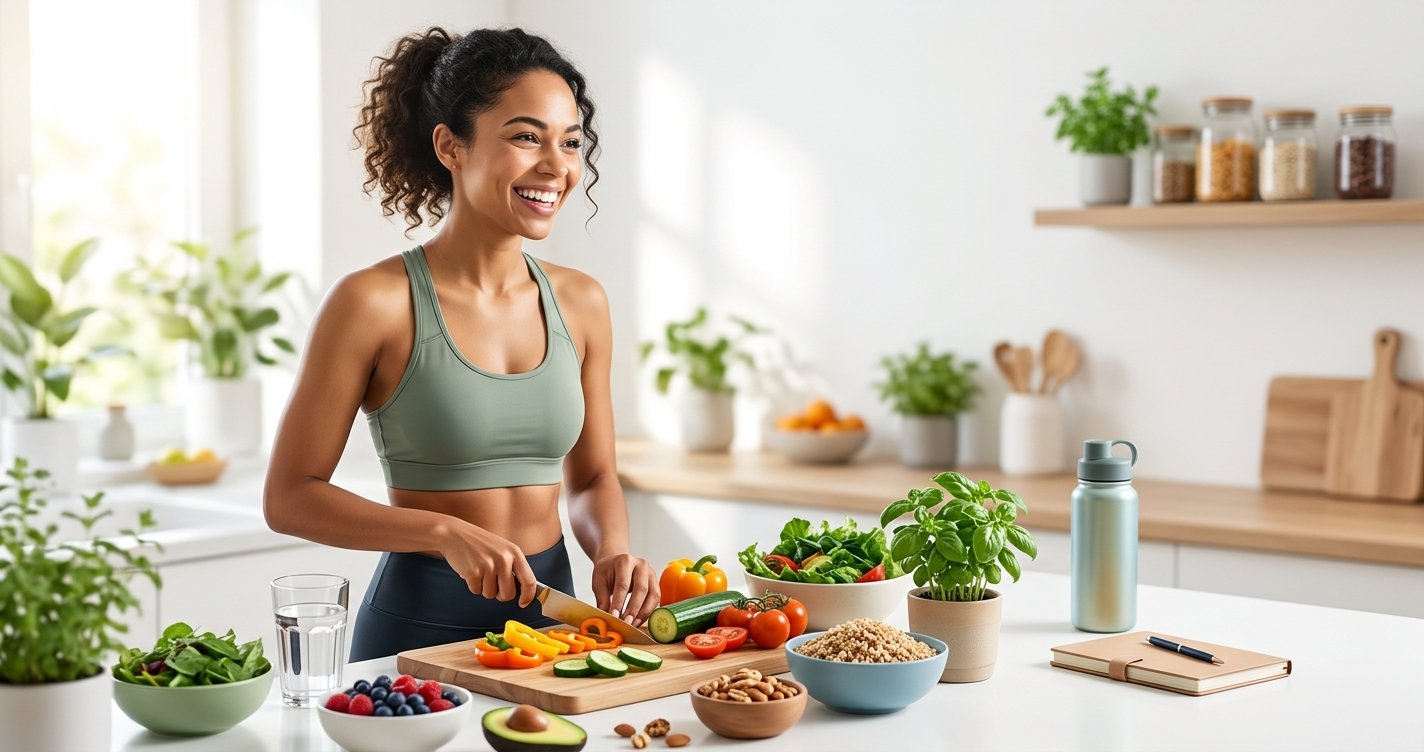
Are you tired of the yo-yo diet cycle? The endless pursuit of quick fixes that promise rapid weight loss, only to leave you feeling defeated and back where you started (or worse)? If so, you're not alone. The truth is, genuine, lasting fat loss isn't about deprivation or extreme measures; it's about cultivating sustainable habits that nourish your body and mind. This isn't just another diet plan; it's a roadmap to a healthier, happier you, built on evidence-based strategies and a friendly, encouraging approach.
In this comprehensive guide, we'll dive deep into what truly drives sustainable fat loss, moving beyond the scale to focus on lifestyle changes that stick. Get ready to transform your approach to health and unlock the lasting results you deserve. this excellent wellness product
Why "Sustainable" is the Secret Sauce (and Why Diets Fail)
Before we talk about what to do, let's understand why so many traditional diets fall short. Most crash diets are designed for short-term results. They often involve drastic calorie restriction, eliminating entire food groups, or relying on specific "fat-burning" foods. While you might see initial weight loss, these approaches are rarely sustainable. Your body, a master of adaptation, often fights back, slowing metabolism, increasing hunger hormones, and making it incredibly difficult to maintain progress.
The secret to lasting fat loss lies in sustainability. This means finding a way of eating and living that you can comfortably maintain indefinitely. It's about making gradual, manageable changes that become part of your everyday life, rather than temporary sacrifices. Think of it as building a new foundation for your health, brick by brick, rather than patching up a leaky roof.
Nutrition: Fueling Your Body, Not Just Cutting Calories
Nutrition is arguably the cornerstone of fat loss. However, it's not about eating less; it's about eating better and smarter. We're aiming for a gentle caloric deficit, meaning you consume slightly fewer calories than you burn, but in a way that keeps you satisfied and energized.
Prioritize Protein and Fiber
- Protein: This macronutrient is your best friend for fat loss. It's highly satiating, meaning it keeps you feeling full for longer, reducing the urge to snack. Protein also has a higher thermic effect of food (TEF), meaning your body burns more calories digesting it. Aim for a lean protein source at every meal: chicken, fish, lean beef, eggs, tofu, lentils, Greek yogurt.
- Fiber: Found in fruits, vegetables, whole grains, and legumes, fiber adds bulk to your meals without adding many calories. It aids digestion, helps regulate blood sugar, and contributes significantly to satiety. Load up on colorful veggies and fruits!
Embrace Whole, Unprocessed Foods
Focus on real, single-ingredient foods. Think of what grows from the earth or comes from an animal. Minimally processed foods are generally higher in nutrients and fiber, and lower in added sugars, unhealthy fats, and artificial ingredients that can derail your progress. "If it came from a plant, eat it; if it was made in a plant, don't." – Michael Pollan.
Mindful Eating and Portion Control
Slow down and truly savor your meals. Pay attention to your body's hunger and fullness cues. Are you truly hungry, or just bored or stressed? Eating slowly allows your brain time to register satiety signals, preventing overeating. Learn what a healthy portion size looks like for different food groups – this doesn't mean you need to weigh everything forever, but understanding serving sizes can be incredibly helpful initially.
Hydration is Key
Often overlooked, adequate water intake is crucial. Water helps with metabolism, can reduce feelings of hunger (sometimes thirst is mistaken for hunger), and keeps your body functioning optimally. Aim for at least 8 glasses a day, and more if you're active.
Movement That Matters: Beyond Just Cardio
Exercise is a powerful tool for fat loss, not just for burning calories, but for building muscle, boosting metabolism, and improving overall health. And no, you don't need to spend hours on a treadmill.
Strength Training: Your Metabolic Supercharger
Resistance training is non-negotiable for sustainable fat loss. Building muscle increases your resting metabolic rate, meaning you burn more calories even when you're not exercising. It also improves body composition, giving you a leaner, more toned physique. Aim for 2-3 full-body strength training sessions per week. You can use weights, resistance bands, or even just your body weight.
Incorporate NEAT (Non-Exercise Activity Thermogenesis)
This is all the movement you do outside of structured exercise – walking, standing, fidgeting, taking the stairs. NEAT can account for a significant portion of your daily calorie expenditure. Look for opportunities to move more throughout your day: park further away, take walking breaks, stand at your desk. These small movements add up!
Find Movement You Enjoy
If exercise feels like a chore, you won't stick with it. Experiment with different activities until you find something you genuinely enjoy – dancing, hiking, cycling, swimming, team sports. When exercise is fun, it becomes a sustainable habit, not a dreaded obligation.
The Unsung Heroes: Sleep, Stress, and Hydration
You can eat perfectly and train hard, but if you neglect these crucial elements, fat loss will be an uphill battle.
Sleep: The Ultimate Regulator
Lack of sleep wreaks havoc on your hormones. It increases ghrelin (the hunger hormone) and decreases leptin (the satiety hormone), making you feel hungrier and less satisfied. It also elevates cortisol, a stress hormone that can promote fat storage, particularly around the belly. Aim for 7-9 hours of quality sleep per night. Establish a consistent sleep schedule and create a relaxing bedtime routine.
Stress Management: Taming Cortisol
Chronic stress keeps cortisol levels elevated, which, as mentioned, can hinder fat loss and even encourage belly fat accumulation. Find healthy ways to manage stress: meditation, yoga, deep breathing exercises, spending time in nature, hobbies, or talking to a trusted friend. Prioritizing mental well-being is just as important as physical health.
Mindset Mastery: Building Resilience and Self-Compassion
Your mental approach to fat loss is paramount. It’s a journey, not a sprint, and there will be bumps along the way. How you navigate these challenges determines your long-term success.
Set Realistic, Achievable Goals
Forget the unrealistic goals promoted by fad diets. Aim for a sustainable fat loss rate of 1-2 pounds per week. This allows your body to adapt and makes the process much more manageable. Focus on process goals (e.g., "I will strength train 3 times this week") rather than just outcome goals (e.g., "I will lose 10 pounds").
Embrace Non-Scale Victories
The scale doesn't tell the whole story. Celebrate other indicators of progress: clothes fitting better, increased energy, improved strength, better sleep, clearer skin, a more positive mood. These "non-scale victories" are powerful motivators and reflect true health improvements.
Practice Self-Compassion
You will have off days. You might overeat or miss a workout. That's okay! Don't let one misstep derail your entire journey. Forgive yourself, learn from it, and get back on track with the next meal or next opportunity to move. Be as kind to yourself as you would be to a friend.
Putting It All Together: Your Actionable Roadmap
Sustainable fat loss isn't about perfection; it's about consistency and progress. Here’s how to start implementing these habits:
- Start Small: Don't try to change everything at once. Pick one or two habits to focus on each week (e.g., "add protein to every meal" or "walk for 30 minutes daily").
- Be Consistent: Small, consistent actions yield big results over time. Show up for yourself, even on days you don't feel like it.
- Track Your Progress: While the scale isn't everything, tracking your food intake for a few days can provide valuable insights. Journaling your workouts, energy levels, and mood can also be incredibly helpful.
- Seek Support: Share your goals with friends or family, join a supportive community, or consider working with a qualified coach or dietitian for personalized guidance.
Conclusion
Ditching the diet mentality and embracing sustainable habits is the most effective and empowering path to lasting fat loss. It’s a journey of self-discovery, learning to nourish your body, move with joy, and nurture your mind. Be patient, be persistent, and most importantly, be kind to yourself. You have the power to create a healthier, happier future, one sustainable habit at a time. Your body will thank you, and the results will last a lifetime.