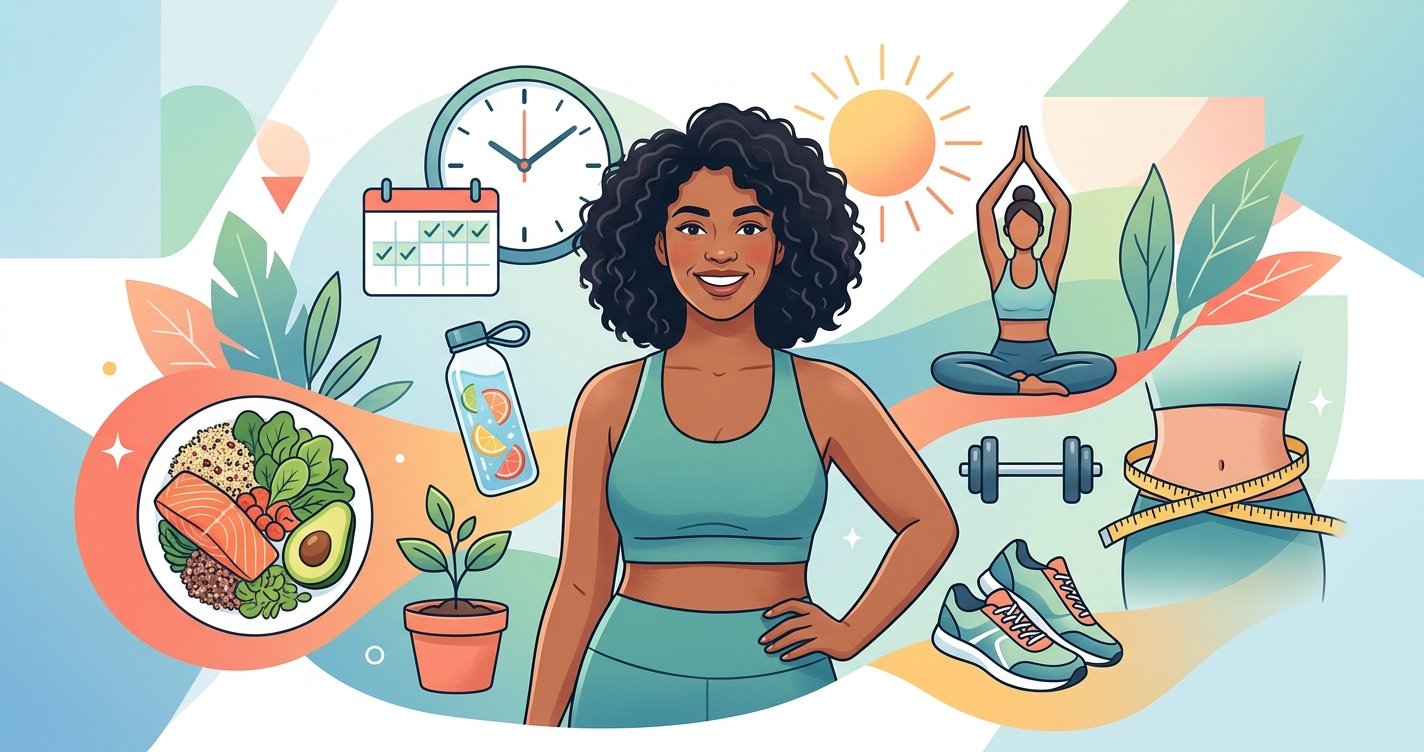
In a world obsessed with quick fixes and dramatic transformations, the journey to fat loss can often feel like a constant battle against restrictive diets and grueling workouts. But what if there was a better way? A path that doesn't just help you shed a few pounds temporarily, but empowers you to build lasting habits for a healthier, more vibrant life? Welcome to the world of sustainable fat loss – a friendly, evidence-based approach that prioritizes long-term well-being over fleeting results.
We've all been there: starting a new diet with immense enthusiasm, only to find ourselves burnt out, hungry, and back to old habits within weeks. This cycle isn't a reflection of your willpower; it's often a sign that the methods you're using aren't sustainable. True fat loss isn't about deprivation; it's about intelligent, consistent choices that fit into your life, nourish your body, and support your mental health. Let's dive into how you can achieve real, lasting results. this excellent wellness product
Understanding the Core Principle: The Calorie Deficit
At its heart, fat loss boils down to one fundamental principle: consuming fewer calories than your body expends. This is known as a calorie deficit. While it sounds simple, the execution is where sustainability comes into play. It's not about starving yourself or cutting out entire food groups; it's about creating a moderate deficit that your body can comfortably adapt to over time.
Think of your body as a car and calories as fuel. If you put in less fuel than you burn, your car will eventually run out. For your body, when you consume fewer calories than you need to maintain your current weight, it starts tapping into stored energy – primarily fat – for fuel. The key is to find that sweet spot: a deficit that's large enough to encourage fat loss but not so extreme that it leaves you feeling depleted, irritable, or triggers intense cravings. A deficit of 300-500 calories per day is often recommended for steady, healthy fat loss.
Fueling for Success: Nutrition for Lasting Results
Your plate is your most powerful tool in the sustainable fat loss journey. Focusing on whole, unprocessed foods will not only provide essential nutrients but also keep you feeling fuller for longer, naturally aiding in creating that calorie deficit.
Prioritize Protein and Fiber
- Protein: Often called the king of macronutrients for fat loss, protein is crucial. It helps preserve muscle mass during a calorie deficit, is highly satiating (meaning it keeps you full), and has a higher thermic effect, meaning your body burns more calories digesting it. Aim for a good source of protein at every meal: lean meats, fish, eggs, dairy, legumes, and tofu.
- Fiber: Found abundantly in fruits, vegetables, and whole grains, fiber adds bulk to your meals without adding many calories. It slows down digestion, helping you feel full and satisfied, and also supports a healthy gut, which is increasingly linked to weight management.
Embrace Mindful Eating
Beyond what you eat, how you eat plays a huge role. Mindful eating involves paying attention to your body's hunger and fullness cues, savoring your food, and eating without distraction. This practice can help prevent overeating and foster a healthier relationship with food, moving away from emotional eating patterns.
Moving Your Body: Exercise for Health and Fat Loss
While nutrition is paramount, incorporating regular physical activity amplifies your fat loss efforts and offers a myriad of health benefits. And no, you don't need to spend hours at the gym doing cardio you hate.
Embrace Strength Training
This is often overlooked, especially by women, but it's incredibly powerful for fat loss. Building muscle increases your basal metabolic rate (BMR), meaning you burn more calories at rest. Muscle is metabolically active tissue. Strength training also shapes your body, improves bone density, and boosts confidence. Aim for 2-3 full-body strength training sessions per week.
Incorporate Cardio You Enjoy
Cardio burns calories and is fantastic for cardiovascular health. But instead of forcing yourself onto a treadmill, find activities you genuinely enjoy. Hiking, dancing, cycling, swimming, playing sports, or even brisk walking can all contribute significantly. The key is consistency, so choose something you'll stick with.
The Unsung Heroes: Sleep, Stress, and Hydration
These often-neglected factors can make or break your fat loss journey. Ignoring them is like trying to drive a car with flat tires.
- Sleep: Lack of sleep disrupts hormones that regulate appetite (ghrelin and leptin), leading to increased hunger and cravings, especially for high-calorie, sugary foods. Aim for 7-9 hours of quality sleep per night.
- Stress Management: Chronic stress elevates cortisol levels, a hormone that can promote fat storage, particularly around the midsection. Find healthy ways to manage stress, whether it's meditation, yoga, hobbies, or spending time in nature.
- Hydration: Drinking enough water is vital. It aids in metabolism, helps you feel full, and can sometimes be mistaken for hunger. Keep a water bottle handy and sip throughout the day.
Mindset Matters: Cultivating Patience and Consistency
Sustainable fat loss isn't a race; it's a marathon. There will be good days and challenging days, plateaus, and moments of frustration. Your mindset is your greatest asset.
- Patience: Fat loss is rarely linear. Trust the process and understand that slow and steady often wins the race.
- Consistency: Small, consistent efforts compound over time. It's better to make small, manageable changes you can stick with than drastic ones you abandon quickly.
- Self-Compassion: Don't beat yourself up over perceived setbacks. Acknowledge them, learn from them, and get back on track. One 'off' meal or day doesn't derail your entire journey.
- Focus on Habits, Not Just Outcomes: Shift your focus from the number on the scale to the healthy habits you're building. Are you consistently eating well? Are you moving your body? Are you prioritizing sleep? These are the real indicators of progress.
Beyond the Scale: Measuring True Progress
The scale can be a useful tool, but it doesn't tell the whole story. Muscle gain, water fluctuations, and hormonal changes can all affect the number. Look for other indicators of progress:
- How your clothes fit
- Increased energy levels
- Improved strength and endurance
- Better sleep quality
- Enhanced mood and mental clarity
- Positive changes in body measurements (waist, hips, etc.)
These non-scale victories are often more motivating and reflect true, sustainable health improvements.
Your Journey to Lasting Change Begins Now
Sustainable fat loss is about empowering you to take control of your health with knowledge and kindness. It’s about making gradual, manageable changes that become ingrained habits, not temporary fixes. Forget the crash diets and embrace a lifestyle that nourishes your body, strengthens your mind, and brings you lasting joy and vitality. Start small, be consistent, and celebrate every step of your incredible journey. Your healthier, happier self is waiting!