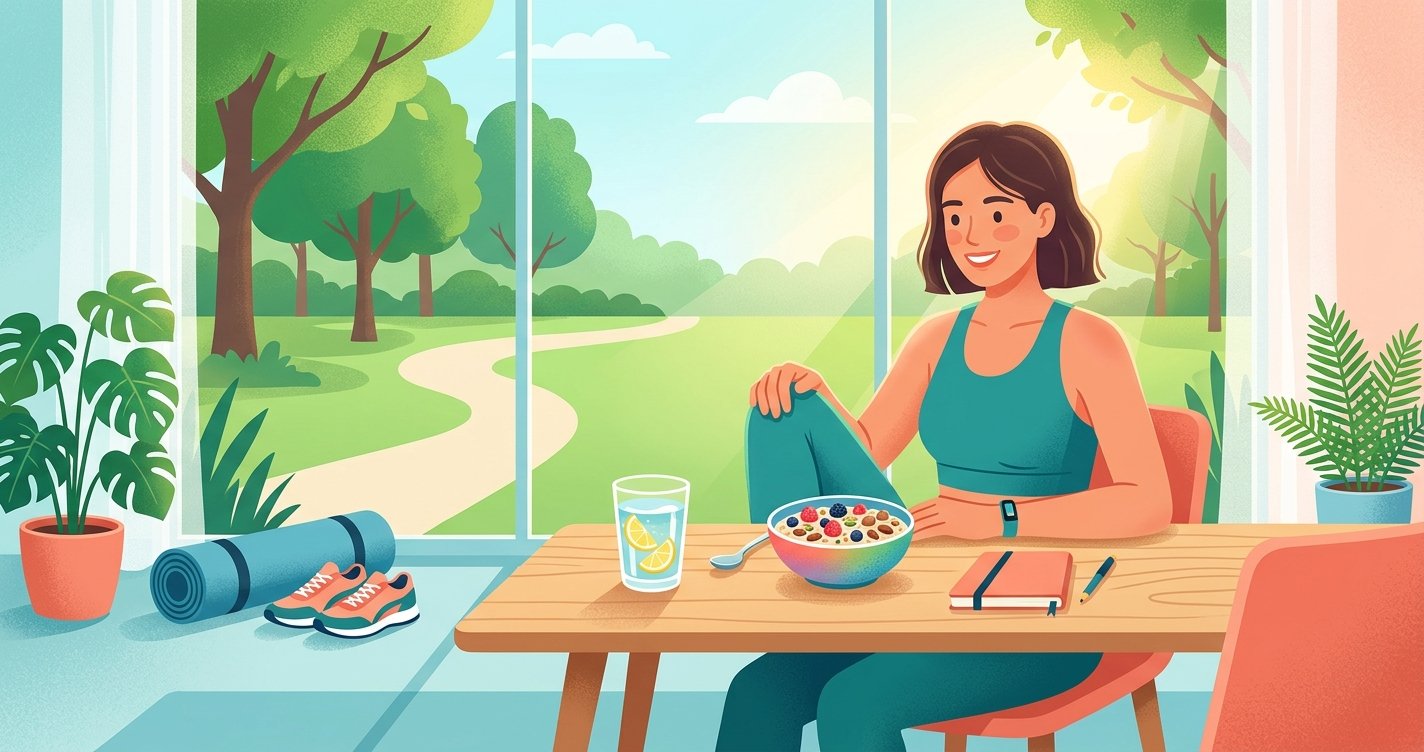
In a world obsessed with instant gratification, the promise of rapid fat loss can be incredibly alluring. "Lose 10 pounds in a week!" "Shred fat overnight with this one trick!" We've all seen these headlines, and perhaps, even fallen prey to their enticing whispers. While the idea of a quick fix is tempting, the cold, hard truth is that these extreme approaches rarely deliver lasting results. More often than not, they lead to frustration, rebound weight gain, and a damaged relationship with food and your body.
So, what does work? The answer, while less glamorous, is far more empowering: sustainable fat loss through consistent, healthy habits. This isn't about deprivation or endless hours at the gym; it's about making small, manageable changes that you can stick with for life. This evidence-based guide will walk you through the pillars of sustainable fat loss, helping you build a foundation for genuine, lasting success. this excellent wellness product
Why "Quick Fixes" Don't Work (and What Does)
Extreme diets, whether they cut out entire food groups or drastically slash calories, often lead to initial weight loss. However, this loss is frequently a mix of water, glycogen, and some muscle, not just fat. Your body, sensing a state of famine, can respond by slowing down its metabolism (metabolic adaptation) and increasing hunger hormones. This makes it incredibly difficult to maintain such restrictive eating patterns long-term.
The moment you return to normal eating, your body, now more efficient at storing energy, quickly regains the lost weight, often with extra fat for good measure. This frustrating cycle, known as yo-yo dieting, is not only ineffective for fat loss but can also harm your metabolism and mental well-being.
What truly works is a moderate, consistent caloric deficit achieved through a balanced diet and increased activity. This allows your body to adapt gradually, primarily burning fat for fuel while preserving precious muscle mass. It's a slower journey, but it's one that leads to sustainable results and a healthier, happier you.
Nutrition: Fueling Your Body for Fat Loss
Think of your body as a high-performance engine. You wouldn't put cheap, low-quality fuel in it and expect optimal performance, right? The same goes for what you eat. Focusing on nutrient-dense foods is crucial for fat loss and overall health.
Caloric Awareness, Not Restriction
To lose fat, you need to consume slightly fewer calories than you burn – this is known as a caloric deficit. However, this doesn't mean starving yourself. A sustainable deficit is typically around 300-500 calories below your maintenance level. Using an online TDEE (Total Daily Energy Expenditure) calculator can give you a starting point, but listening to your body and tracking your intake for a few days can help you fine-tune this.
The Power of Protein
Protein is your best friend when it comes to fat loss. It's incredibly satiating, helping you feel fuller for longer, which reduces overall calorie intake. Furthermore, protein is essential for preserving muscle mass during a caloric deficit. Aim for 0.7-1 gram of protein per pound of body weight (or 1.6-2.2g per kg) daily, distributed across your meals. Lean meats, fish, eggs, dairy, legumes, and plant-based protein sources are excellent choices.
Fiber-Rich Foods Are Your Friends
Found in fruits, vegetables, whole grains, and legumes, fiber adds bulk to your meals without adding many calories. It aids digestion, promotes gut health, and significantly contributes to satiety. Filling half your plate with non-starchy vegetables at each meal is a great strategy.
Hydration Heroes: Don't Forget Water
Often overlooked, adequate water intake is vital. Water can help you feel full, supports metabolic processes, and is crucial for overall bodily functions. Aim for 8-10 glasses of water daily, and consider having a glass before meals.
Movement: More Than Just Burning Calories
While nutrition is paramount for fat loss, movement plays a critical supporting role. It burns calories, builds muscle, improves mood, and enhances overall health.
Strength Training: Your Metabolic Supercharger
Don't skip the weights! Strength training is arguably the most effective form of exercise for sustainable fat loss. Building muscle increases your resting metabolic rate (RMR), meaning you burn more calories even when you're at rest. Aim for 2-4 strength training sessions per week, focusing on compound movements that work multiple muscle groups.
Cardio: For Heart Health and Calorie Burn
Cardiovascular exercise, like brisk walking, jogging, cycling, or swimming, is excellent for heart health and burns calories. Find an activity you enjoy and aim for at least 150 minutes of moderate-intensity cardio per week. High-intensity interval training (HIIT) can also be effective for calorie expenditure and improving fitness in shorter bursts.
NEAT: The Unsung Hero of Daily Activity
Non-Exercise Activity Thermogenesis (NEAT) refers to the calories burned from activities that aren't formal exercise, like walking, standing, fidgeting, and even typing. Increasing your NEAT by taking the stairs, parking further away, or going for a short walk during your lunch break can significantly contribute to your daily calorie expenditure without feeling like a workout.
Lifestyle Factors: The Often-Overlooked Pillars of Success
Fat loss isn't just about food and exercise; your lifestyle habits play a huge role in your body's ability to shed fat.
Sleep: Your Secret Weapon for Fat Loss
When you're sleep-deprived, your body's hormone balance goes haywire. Ghrelin (the hunger hormone) increases, while leptin (the satiety hormone) decreases, leading to increased cravings and overeating. Chronic lack of sleep also elevates cortisol levels, which can promote belly fat storage. Aim for 7-9 hours of quality sleep per night.
Stress Management: Taming the Cortisol Beast
Chronic stress also leads to elevated cortisol, which, as mentioned, can hinder fat loss and encourage fat storage, particularly around the abdomen. Find healthy ways to manage stress, such as meditation, yoga, spending time in nature, journaling, or engaging in hobbies you enjoy.
Mindful Eating: Connecting with Your Body
Slow down, savor your food, and pay attention to your body's hunger and fullness cues. Mindful eating can help you recognize when you're truly hungry versus eating out of boredom or emotion, leading to more intentional food choices and better portion control.
Building Unshakeable Habits
The key to sustainable fat loss lies in turning these strategies into habits that become second nature. It's about consistency, not perfection.
Start Small, Be Consistent
Don't try to overhaul everything at once. Pick one or two small habits to focus on each week or month. For example, start by adding one extra serving of vegetables to your dinner, or commit to a 15-minute walk daily. Small, consistent wins build momentum and confidence.
Track Your Progress (Beyond the Scale)
While the scale can be a useful tool, it doesn't tell the whole story. Take progress photos, measure your body circumference, note how your clothes fit, or track your strength gains in the gym. These non-scale victories can be incredibly motivating and provide a more comprehensive view of your progress.
Embrace Imperfection, Learn from Setbacks
There will be days when you overeat, miss a workout, or feel discouraged. This is normal! Sustainable fat loss is not a linear journey. Instead of giving up, acknowledge the setback, learn from it, and get back on track with your next meal or workout. Progress, not perfection, is the goal.
Seek Support
You don't have to do this alone. Share your goals with a trusted friend or family member, join a supportive online community, or consider working with a coach. Accountability and encouragement can make a significant difference.
Your Journey to Lasting Fat Loss Starts Now
Sustainable fat loss isn't about rigid diets or grueling workouts; it's about making conscious, healthy choices that build into a lifestyle you love. By focusing on nutrient-dense foods, incorporating strength training and daily movement, prioritizing sleep and stress management, and building consistent habits, you can achieve lasting results and a healthier, more vibrant life. Be patient with yourself, celebrate your progress, and trust the process. Your body will thank you.