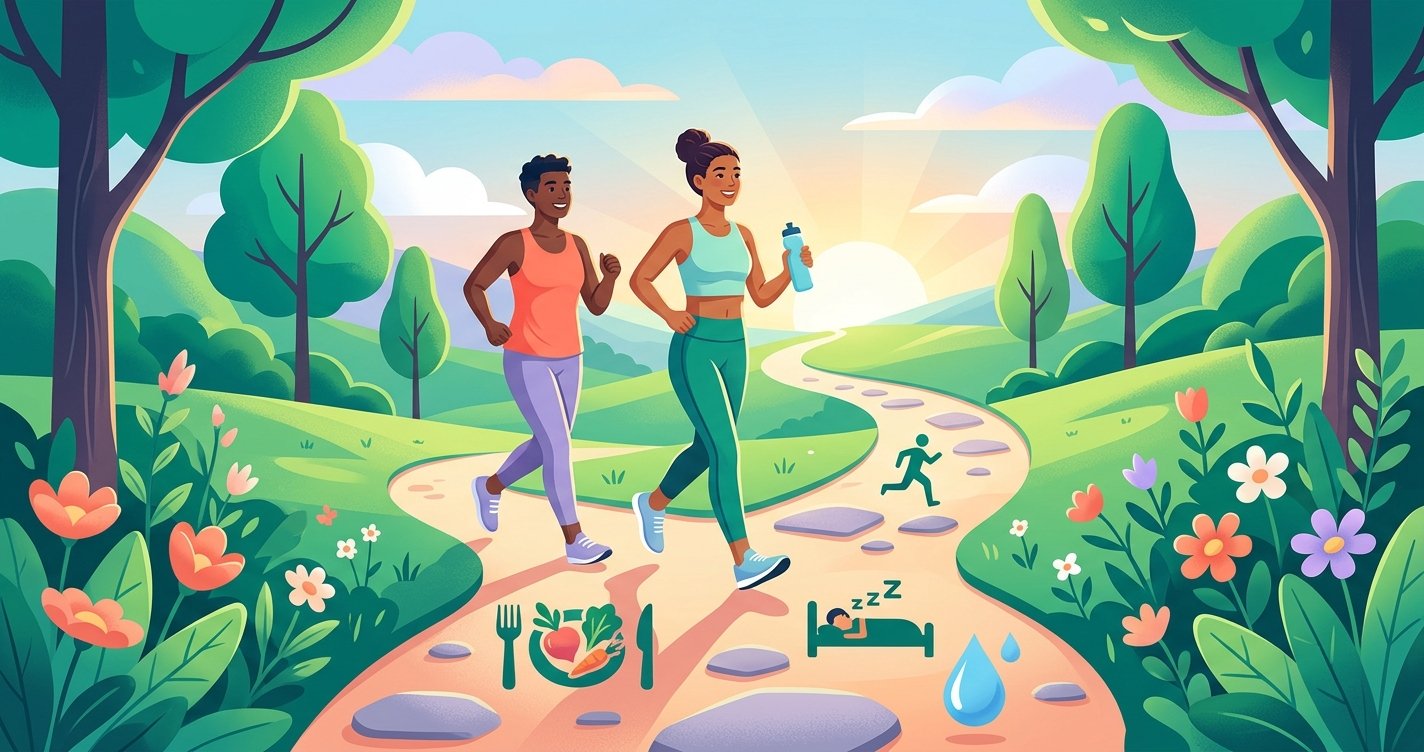
Are you tired of the endless cycle of restrictive diets, intense workouts, and fleeting results? Many people embark on a fat loss journey with enthusiasm, only to find themselves back where they started – or even heavier – a few months down the line. The truth is, quick fixes rarely lead to lasting change. True, sustainable fat loss isn't about deprivation; it's about building healthy, consistent habits that empower your body and mind for the long haul.
This isn't just about shedding pounds; it's about transforming your relationship with food, movement, and yourself. In this comprehensive guide, we'll dive into evidence-based strategies to help you achieve sustainable fat loss, focusing on practical steps you can integrate into your daily life. Get ready to ditch the yo-yo dieting and embrace a path to lasting health and vitality! this excellent wellness product
The Core Principle: Understanding Your Energy Balance (Calorie Deficit)
At its heart, fat loss boils down to one fundamental scientific principle: consistently consuming fewer calories than your body expends. This is known as creating a calorie deficit. Think of your body like a car; if you put less fuel in than you burn driving, the fuel tank will eventually deplete. Similarly, if you provide your body with less energy (calories) than it needs to perform all its functions (breathing, digesting, moving, exercising), it will start tapping into its stored energy reserves – primarily body fat.
However, the key word here is "sustainable." Extreme calorie restriction might lead to rapid initial weight loss, but it's often unsustainable, can lead to nutrient deficiencies, muscle loss, metabolic slowdown, and an eventual rebound. A moderate deficit (typically 300-500 calories below your maintenance) is far more effective for long-term fat loss, allowing your body to adapt gradually and preserving precious muscle mass.
- Estimate Your Maintenance Calories: Use an online TDEE (Total Daily Energy Expenditure) calculator as a starting point.
- Track Your Intake: For a short period (1-2 weeks), track everything you eat and drink to understand your current habits and average calorie intake. This isn't forever, just for awareness.
- Create a Moderate Deficit: Aim to reduce your daily intake by 300-500 calories from your estimated maintenance.
- Listen to Your Body: Adjust as needed. If you're constantly ravenous or lethargic, your deficit might be too aggressive.
Fueling Your Body Smartly: Nutrition Strategies for Fat Loss
While a calorie deficit is non-negotiable, how you achieve that deficit makes a world of difference. Focusing on nutrient-dense foods will keep you feeling full, energized, and nourished.
Prioritize Protein
Protein is your secret weapon for fat loss. It's the most satiating macronutrient, meaning it keeps you feeling fuller for longer, reducing overall calorie intake. Furthermore, protein has a higher thermic effect of food (TEF), meaning your body burns more calories digesting and metabolizing protein than it does carbs or fats. Crucially, adequate protein intake helps preserve muscle mass during a calorie deficit, which is vital for maintaining a healthy metabolism.
- Sources: Lean meats (chicken, turkey, beef), fish, eggs, dairy (Greek yogurt, cottage cheese), legumes, tofu, protein powder.
- Target Intake: Aim for 0.7-1 gram of protein per pound of your target body weight daily, spread throughout your meals.
Embrace Whole Foods
Whole, unprocessed foods are packed with vitamins, minerals, fiber, and water, offering maximum nutrition with fewer calories. They are inherently more filling than their processed counterparts, which often contain added sugars, unhealthy fats, and refined grains that contribute to cravings and overeating.
- Examples: Fruits, vegetables, whole grains (oats, quinoa, brown rice), lean proteins, nuts, and seeds.
- Strategy: Fill half your plate with non-starchy vegetables at every meal.
Don't Fear Healthy Fats & Smart Carbs
Both fats and carbohydrates play crucial roles in your body. Healthy fats (avocado, nuts, seeds, olive oil) are essential for hormone production, nutrient absorption, and satiety. Smart carbohydrates (from whole grains, fruits, vegetables) provide energy for your workouts and daily activities. The key is to choose quality sources and manage portion sizes.
- Healthy Fats: Focus on monounsaturated and polyunsaturated fats.
- Smart Carbs: Prioritize complex carbohydrates that offer fiber and sustained energy.
Move Your Body Powerfully: The Role of Exercise
While diet is paramount for fat loss, exercise is a powerful amplifier. It helps you create a larger calorie deficit, improves body composition, boosts mood, and enhances overall health.
Strength Training: Your Muscle-Building Ally
Strength training (lifting weights, bodyweight exercises) is often overlooked in fat loss, but it's incredibly effective. Muscle tissue is more metabolically active than fat tissue, meaning it burns more calories at rest. By building and preserving muscle, you essentially turn your body into a more efficient fat-burning machine. Plus, it shapes your body, giving you a toned, strong physique.
- Benefits: Increased resting metabolism, improved bone density, better body composition, enhanced strength and functional fitness.
- How to Start: Aim for 2-4 sessions per week, focusing on compound movements (squats, deadlifts, presses, rows) that work multiple muscle groups. Consult a trainer if you're new to ensure proper form.
Cardiovascular Exercise: Heart Health & Calorie Burn
Cardio, like walking, running, cycling, or swimming, is excellent for burning calories and improving cardiovascular health. It contributes to your daily calorie expenditure and can be a great way to manage stress.
Don't forget about NEAT (Non-Exercise Activity Thermogenesis) – the calories you burn through everyday activities that aren't formal exercise. Taking the stairs, parking further away, walking during phone calls, or fidgeting all add up!
The Unsung Heroes: Sleep, Stress, and Hydration
Often underestimated, these three factors can make or break your fat loss efforts.
Sleep Your Way to Success
Poor sleep can wreak havoc on your hormones, specifically increasing ghrelin (the hunger hormone) and decreasing leptin (the satiety hormone). This makes you feel hungrier and less satisfied, often leading to increased calorie intake and cravings for sugary, fatty foods. Aim for 7-9 hours of quality sleep per night for optimal hormone balance and recovery.
- Tips: Establish a consistent sleep schedule, create a relaxing bedtime routine, make your bedroom dark and cool, limit screen time before bed.
Master Stress for Fat Loss
Chronic stress elevates cortisol levels, a hormone that can promote fat storage, particularly around the abdomen. Stress also often leads to emotional eating, where food becomes a coping mechanism rather than fuel. Finding healthy ways to manage stress is crucial.
- Techniques: Meditation, yoga, deep breathing exercises, spending time in nature, journaling, hobbies, connecting with loved ones.
Hydration: Simple Yet Powerful
Drinking enough water is a simple habit with significant benefits. Water can help you feel fuller, potentially reducing overall food intake. It's also vital for metabolic processes and overall bodily function. Often, thirst is mistaken for hunger, leading to unnecessary snacking.
- Goal: Aim for 8-10 glasses of water daily, more if you're active or in a hot climate. Keep a water bottle handy.
Cultivating a Mindset for Lasting Change
Your mindset is perhaps the most powerful tool in your sustainable fat loss arsenal. It's about shifting from a temporary diet mentality to a lifelong journey of health.
Ditch the All-or-Nothing Mentality
Sustainable fat loss isn't about perfection; it's about consistency and progress. One "bad" meal or skipped workout doesn't derail your entire journey. Learn from slips, adjust, and get back on track without self-blame. Embrace the idea that small, consistent steps lead to big results over time.
Practice Mindful Eating
Mindful eating involves paying attention to your food – its taste, texture, and smell – and listening to your body's hunger and fullness cues. Slow down, savor each bite, and put away distractions. This can prevent overeating and help you truly enjoy your meals.
Celebrate Non-Scale Victories
The scale is just one metric. Celebrate improvements in your energy levels, strength, sleep quality, mood, clothes fitting better, or a newfound love for healthy cooking. These non-scale victories are powerful motivators and indicators of true progress.
Building Habits That Stick: Small Steps, Big Impact
The secret to sustainable fat loss lies in transforming individual actions into ingrained habits. Habits require less willpower and become automatic over time.
- Start Small: Don't try to change everything at once. Pick one or two small habits (e.g., drink a glass of water before each meal, go for a 15-minute walk daily) and master them before adding more.
- Consistency Over Intensity: A short, consistent walk every day is more effective than an intense workout once a month.
- Habit Stacking: Link a new habit to an existing one (e.g., "After I brush my teeth, I will drink a large glass of water").
- Environment Design: Make healthy choices easier. Stock your fridge with nutritious foods, lay out your workout clothes the night before, remove tempting snacks from sight.
- Track Your Progress: Journaling, food logs, or fitness apps can help you stay accountable and see how far you've come.
Your Journey to Lasting Fat Loss Starts Now
Sustainable fat loss is a marathon, not a sprint. It requires patience, consistency, and a holistic approach that addresses nutrition, exercise, sleep, stress, and mindset. By focusing on building healthy habits rather than chasing fleeting results, you empower yourself to achieve not just a leaner body, but a healthier, happier, and more vibrant life.
Remember, every expert was once a beginner. Start today, even with one small step. Be kind to yourself, celebrate your progress, and trust the process. You have the power to create lasting change and unlock the best version of yourself.