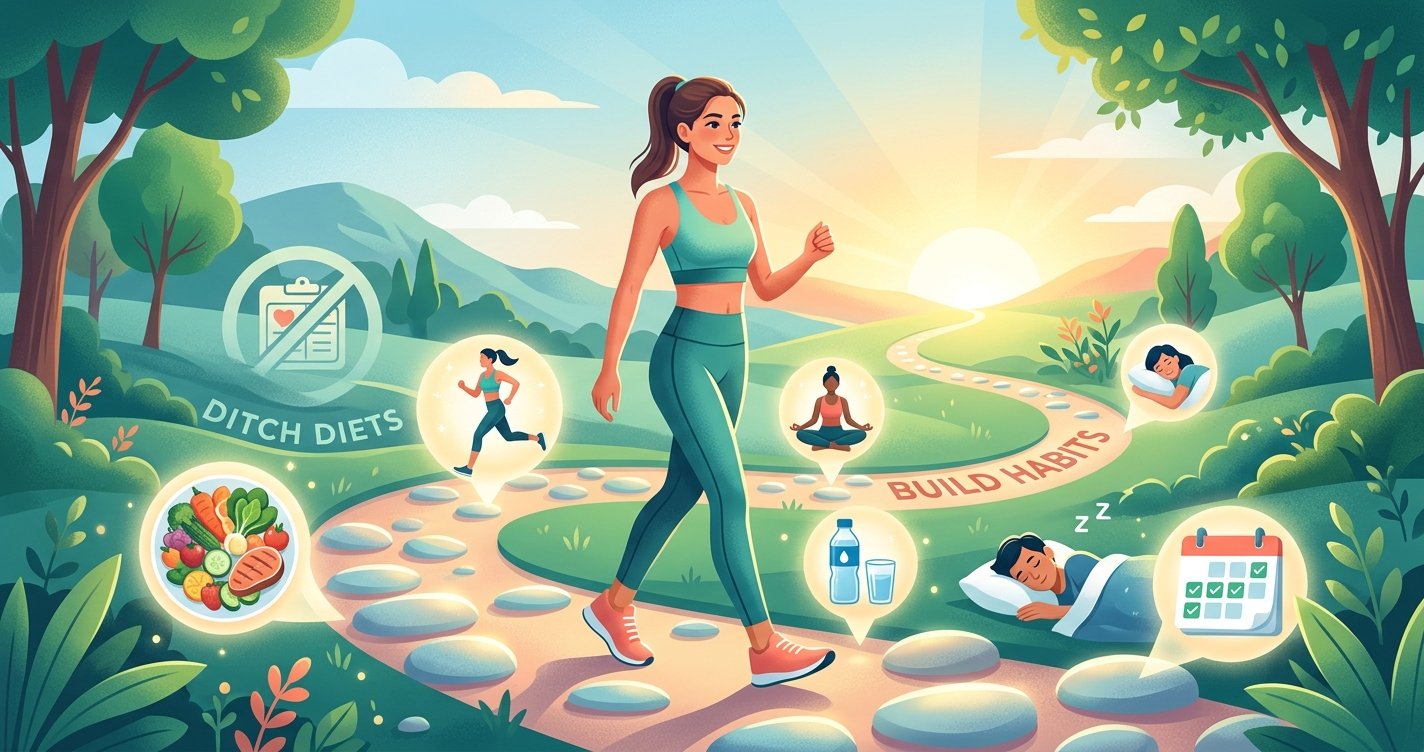
Ever felt like you're stuck in a fat loss roller coaster? You try a new diet, see some initial progress, but then the weight creeps back on, often bringing friends along for the ride. It’s frustrating, disheartening, and unfortunately, a common experience for many. The truth is, quick fixes rarely lead to lasting change. True, sustainable fat loss isn't about deprivation or extreme measures; it's about building consistent, healthy habits that seamlessly integrate into your life and become second nature.
Forget the endless cycle of restrictive diets and grueling workouts you can't maintain. This isn't just about shedding pounds; it's about transforming your relationship with food, movement, and your body for the long haul. In this comprehensive guide, we're going to explore the evidence-based strategies and practical habits that will empower you to achieve your fat loss goals and, more importantly, keep the weight off for good. Ready to step off the roller coaster and onto a path of sustainable success? Let's dive in! this excellent wellness product
The Fat Loss Roller Coaster: Why Quick Fixes Fail
The diet industry often sells us on the idea of rapid results, promising a 'new you' in weeks. While these approaches might deliver initial weight loss, they're rarely sustainable. Restrictive diets often lead to nutrient deficiencies, extreme hunger, and a rebound effect where you gain back more weight than you lost. This yo-yo dieting can damage your metabolism and make future fat loss even harder.
The secret to lasting change isn't a temporary fix; it's a permanent shift in lifestyle. Building sustainable fat loss habits means adopting behaviors you can stick with for life, not just for a few weeks. Think marathon, not sprint. These habits become automatic, requiring less willpower over time and leading to consistent, long-term results that feel effortless.
Fueling Your Body for Sustainable Fat Loss
Prioritize Protein: Your Satiety & Muscle Ally
Protein is a powerhouse for fat loss. It’s highly satiating, meaning it keeps you feeling full for longer, reducing overall calorie intake. Furthermore, your body expends more energy digesting protein compared to fats or carbs, a phenomenon known as the thermic effect of food. Protein also plays a critical role in preserving muscle mass during weight loss, which is crucial for maintaining a healthy metabolism.
Aim to include a good source of lean protein with every meal and snack. Think chicken breast, fish, eggs, Greek yogurt, lentils, beans, or tofu. These choices will not only help you feel satisfied but also support your body composition goals.
Embrace Whole Foods: Nature's Nutrient Powerhouse
Focusing on whole, unprocessed foods is a cornerstone of sustainable fat loss. These foods – fruits, vegetables, whole grains, lean proteins, and healthy fats – are packed with essential vitamins, minerals, and fiber. Fiber, in particular, aids digestion, promotes satiety, and helps regulate blood sugar levels, all of which are beneficial for managing your weight.
Conversely, highly processed foods often contain excessive sugar, unhealthy fats, and refined carbohydrates, offering little nutritional value while being very calorie-dense. Making a conscious effort to choose foods closer to their natural state will significantly impact your energy levels, overall health, and fat loss journey.
Hydration Habits: More Than Just Thirst Quenching
Water is often overlooked but plays a vital role in metabolism and fat loss. Staying well-hydrated can help you feel fuller, potentially reducing your calorie intake. Sometimes, our bodies confuse thirst signals with hunger, leading to unnecessary snacking. Drinking a glass of water before meals can help differentiate true hunger from simple dehydration.
Make water your primary beverage. Keep a water bottle handy throughout the day and sip regularly. Herbal teas are also a great, calorie-free way to boost your fluid intake. Proper hydration supports every bodily function, including the fat-burning process.
Mindful Eating: Reconnecting with Hunger & Fullness
In our fast-paced world, eating often becomes a hurried, unconscious act. Mindful eating involves paying full attention to your food – its taste, texture, aroma – and listening to your body's hunger and fullness cues. This practice helps you slow down, enjoy your meals more, and recognize when you've had enough, preventing overeating.
Try putting your fork down between bites, chewing slowly, and eliminating distractions like screens during meals. This simple habit can transform your relationship with food, leading to more intentional and satisfying eating experiences that support your fat loss goals without feeling restrictive.
Move Your Body: Smart Strategies for Fat Loss
Strength Training: Your Metabolic Multiplier
While cardio burns calories during the activity, strength training offers a unique advantage for sustainable fat loss: it builds and preserves muscle mass. Muscle tissue is metabolically active, meaning it burns more calories at rest than fat tissue. The more muscle you have, the higher your basal metabolic rate (BMR) will be, making it easier to maintain a calorie deficit and lose fat.
Aim for 2-3 full-body strength training sessions per week. You don't need a gym; bodyweight exercises, resistance bands, or dumbbells at home are perfectly effective. Focus on compound movements that work multiple muscle groups, like squats, lunges, push-ups, and rows.
Smart Cardio: Efficiency and Heart Health
Cardiovascular exercise is excellent for heart health, improving endurance, and burning calories. However, for fat loss, it doesn't have to be endless hours on the treadmill. Incorporating a mix of moderate-intensity steady-state cardio (like brisk walking, jogging, or cycling) and high-intensity interval training (HIIT) can be very effective.
HIIT, in particular, involves short bursts of intense exercise followed by brief recovery periods, and has been shown to be highly efficient for calorie burning and improving metabolic health. Find activities you enjoy, whether it's dancing, swimming, or hiking, and aim for at least 150 minutes of moderate-intensity or 75 minutes of vigorous-intensity cardio per week.
NEAT: The Unsung Hero of Daily Activity
Non-Exercise Activity Thermogenesis (NEAT) refers to the energy expended for everything we do that is not sleeping, eating, or sports-like exercise. This includes walking to work, gardening, fidgeting, taking the stairs, or even standing instead of sitting. NEAT can account for a significant portion of your daily calorie expenditure and is often overlooked in fat loss strategies.
Look for opportunities to increase your NEAT throughout the day. Take the stairs instead of the elevator, park further away, take short walking breaks during work, or stand while talking on the phone. These small, consistent movements add up, contributing significantly to your overall energy expenditure and sustainable fat loss.
Beyond Calories: Lifestyle Habits for Lasting Change
Sleep Your Way to Success: The Hormonal Connection
Quality sleep is a non-negotiable component of sustainable fat loss, yet it's often the first thing we sacrifice. Lack of sleep wreaks havoc on your hormones, specifically ghrelin (the hunger hormone) and leptin (the satiety hormone). When you're sleep-deprived, ghrelin levels rise, making you feel hungrier, while leptin levels drop, meaning you feel less satisfied after eating.
Aim for 7-9 hours of quality sleep per night. Establish a consistent sleep schedule, create a relaxing bedtime routine, and ensure your bedroom is dark, quiet, and cool. Prioritizing sleep will help regulate your appetite, improve energy levels for workouts, and support better decision-making around food.
Stress Less, Lose More: Taming Cortisol
Chronic stress can be a silent saboteur of your fat loss efforts. When you're constantly stressed, your body releases cortisol, a hormone that, among other things, can promote fat storage, particularly around the abdominal area. Stress can also lead to emotional eating, where food becomes a coping mechanism rather than fuel.
Developing effective stress management techniques is crucial. This could include meditation, yoga, deep breathing exercises, spending time in nature, journaling, or engaging in hobbies you enjoy. Find what works for you to calm your mind and reduce cortisol levels, allowing your body to function optimally for fat loss.
Consistency, Not Perfection: The Long Game
The journey to sustainable fat loss is rarely a straight line. There will be days when you make less-than-ideal food choices, miss a workout, or feel discouraged. The key is not to let these moments derail your entire progress. Perfection is an illusion; consistency is the real game-changer.
Embrace the 80/20 rule: aim to be consistent with your healthy habits 80% of the time, allowing for some flexibility. Learn from setbacks, adjust your approach, and get back on track without guilt or shame. Small, consistent efforts over time yield far greater results than sporadic, extreme attempts.
Your Personalized Sustainable Fat Loss Blueprint
Start Small, Build Momentum
Don't try to overhaul everything at once. This often leads to overwhelm and burnout. Instead, pick one or two habits from this guide that feel manageable and focus on mastering them for a few weeks. Perhaps it's adding a protein source to every meal, drinking more water, or going for a 20-minute walk daily.
Once those habits feel ingrained, gradually introduce new ones. This incremental approach builds confidence and creates a strong foundation for lasting change. Remember, small wins accumulate into significant transformations.
Track Your Progress (But Don't Obsess)
Monitoring your progress can be incredibly motivating and provide valuable insights. This doesn't necessarily mean daily weigh-ins. You could track: your energy levels, how your clothes fit, strength improvements in your workouts, sleep quality, or even non-scale victories like feeling more confident or having better mood stability.
If you do track weight, understand that daily fluctuations are normal. Focus on trends over weeks and months. The goal is to gather information to adjust your habits as needed, not to judge your worth based on a number.
Seek Support and Stay Accountable
You don't have to do this alone. Sharing your goals with a trusted friend, family member, or joining an online community can provide invaluable support and accountability. Consider working with a coach or nutritionist if you need personalized guidance and expert advice tailored to your specific needs.
Having someone to celebrate your successes with and offer encouragement during challenges can make all the difference in staying motivated and committed to your sustainable fat loss journey.
Embrace the Journey: Your Sustainable Future
Sustainable fat loss isn't a destination; it's a lifelong journey of self-improvement and self-care. By shifting your focus from quick fixes to building consistent, healthy habits around nutrition, movement, sleep, and stress management, you're not just losing weight – you're reclaiming your health, boosting your energy, and creating a more vibrant, fulfilling life. Be patient with yourself, celebrate every small victory, and trust the process. You have the power to create lasting change and achieve the healthy, happy body you deserve. You've got this!