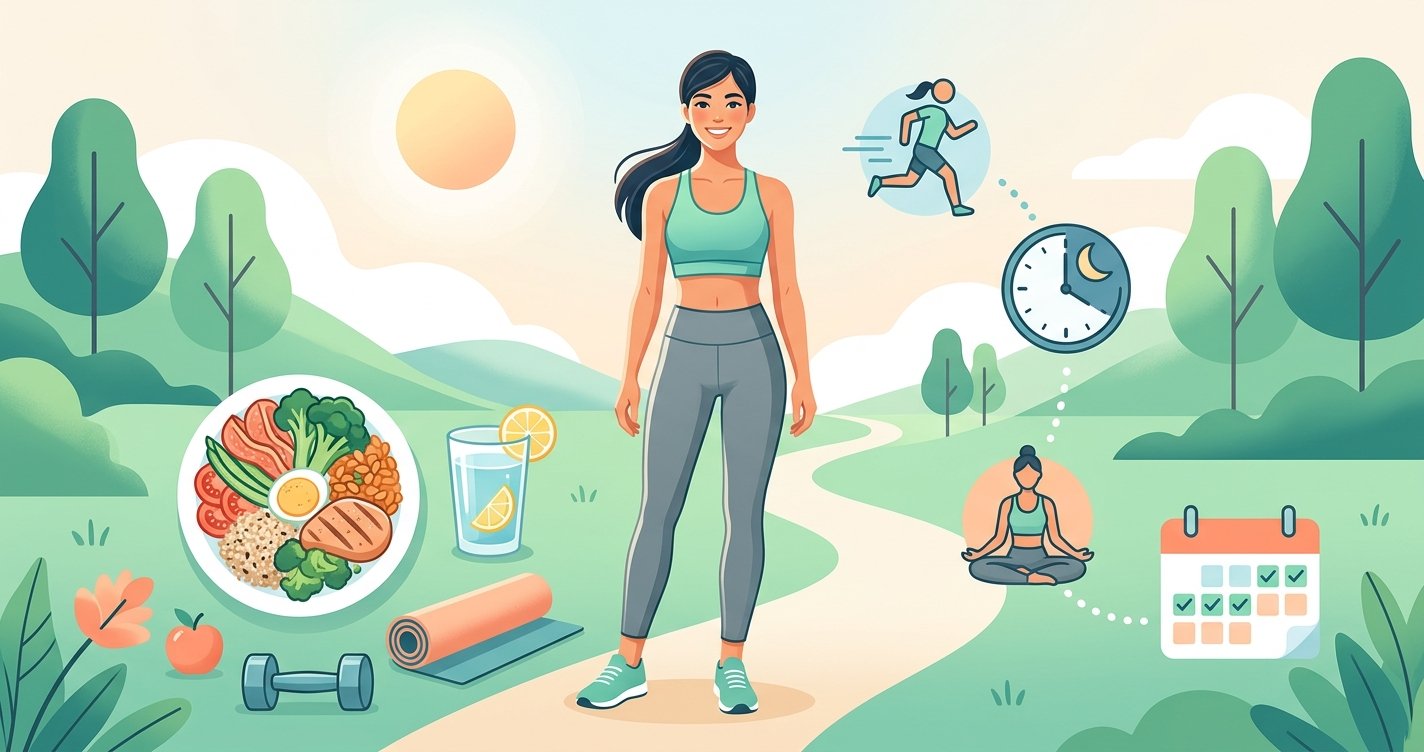
Tired of the endless cycle of restrictive diets, quick-fix promises, and the disheartening rebound of regained weight? You're not alone. The journey to fat loss often feels like a roller coaster, but what if there was a way to step off the ride and build lasting change? This isn't about deprivation or extreme measures; it's about cultivating sustainable habits that not only help you shed unwanted fat but also improve your overall health and well-being for good. Let's ditch the fads and embrace a friendly, evidence-based approach to achieving sustainable fat loss.
Why Quick Fixes Fail: The Cycle of Frustration
The diet industry thrives on promising rapid results. Whether it's a juice cleanse, a carb-free challenge, or a miracle pill, these approaches often deliver initial weight loss. But at what cost? Severely restricting calories or entire food groups can lead to nutrient deficiencies, muscle loss, and a plummeting metabolism. More importantly, they're simply not sustainable in the long run. As soon as you return to your normal eating patterns (because who can live on kale and chicken breast forever?), the weight often comes back, sometimes with extra. This yo-yo dieting creates a frustrating cycle, damaging your metabolism and eroding your confidence. Our goal isn't just to lose fat; it's to create a lifestyle where fat loss is a natural byproduct of healthy living. this excellent wellness product
The Foundation: Understanding Your Energy Balance (Without Obsession)
At its core, fat loss boils down to a simple principle: consuming fewer calories than your body expends. This is known as a calorie deficit. While the concept is straightforward, obsessively counting every single calorie can be exhausting and counterproductive. Instead, let's focus on practical, non-obsessive ways to naturally achieve this deficit by making smarter food choices and increasing your activity.
- Quality over Quantity: Focus on nutrient-dense foods that keep you feeling full and satisfied on fewer calories.
- Listen to Your Body: Pay attention to genuine hunger and fullness cues, rather than eating out of habit or emotion.
- Small, Consistent Changes: Drastic cuts are rarely sustainable. Gradual adjustments are more effective for long-term adherence.
Fueling Your Body Smartly: Nutrition Habits for Lasting Change
Nutrition is arguably the most critical component of any fat loss journey. It's not about what you can't eat, but what you can eat more of to support your goals.
Prioritize Protein & Fiber
Protein is your best friend when it comes to fat loss. It’s highly satiating, meaning it keeps you feeling full for longer, reducing the likelihood of snacking between meals. Protein also helps preserve lean muscle mass during a calorie deficit, which is crucial for maintaining a healthy metabolism. Aim for a good source of protein at every meal: lean meats, poultry, fish, eggs, dairy, legumes, or tofu. Fiber, found in fruits, vegetables, and whole grains, also contributes to satiety, aids digestion, and helps regulate blood sugar levels, all of which are beneficial for sustainable fat loss.
Embrace Whole, Unprocessed Foods
Swap out highly processed snacks, sugary drinks, and refined grains for whole, unprocessed alternatives. These foods are naturally lower in calories, higher in nutrients, and provide sustained energy. Think colorful fruits and vegetables, lean proteins, whole grains like oats and quinoa, and healthy fats from avocados, nuts, and seeds. Building your diet around these staples makes achieving a calorie deficit much easier and more enjoyable without feeling deprived.
Hydration is Key
Often overlooked, adequate water intake plays a significant role in fat loss. Sometimes, our bodies mistake thirst for hunger. Drinking plenty of water throughout the day can help manage appetite, boost metabolism slightly, and improve overall bodily functions. Keep a water bottle handy and aim for at least 8 glasses a day, more if you're active.
Mindful Eating Practices
Slow down, savor your food, and pay attention to your body's signals. Mindful eating means putting away distractions (like your phone or TV) and focusing on the experience of eating. Chew your food thoroughly, notice the flavors and textures, and stop when you feel comfortably full, not stuffed. This simple habit can drastically reduce overeating and help you connect with your body's true needs.
Moving with Purpose: Exercise Beyond Just Burning Calories
While nutrition sets the stage, exercise is a powerful supporting act for lasting weight loss. It's not just about burning calories; it's about building strength, improving cardiovascular health, boosting mood, and shaping your body.
Strength Training: Your Fat Loss Superpower
Don't skip the weights! Strength training is incredibly effective for fat loss, not just because it burns calories during your workout, but because it builds muscle. Muscle tissue is metabolically active, meaning it burns more calories at rest than fat tissue. The more muscle you have, the higher your resting metabolic rate, making it easier to maintain a calorie deficit and achieve body recomposition (losing fat while gaining muscle). Aim for 2-3 full-body strength training sessions per week.
Incorporate Consistent Cardio
Cardiovascular exercise, whether it's brisk walking, jogging, cycling, or swimming, is excellent for heart health, calorie expenditure, and stress reduction. You don't need to spend hours on the treadmill; even 30 minutes of moderate-intensity cardio most days of the week can make a big difference. Mix in some High-Intensity Interval Training (HIIT) occasionally for an extra metabolic boost, but prioritize consistency over intensity.
The Power of NEAT (Non-Exercise Activity Thermogenesis)
NEAT refers to the calories you burn through everyday movements not related to structured exercise. Think walking to work, taking the stairs, fidgeting, gardening, or cleaning. Increasing your NEAT throughout the day can significantly contribute to your overall calorie expenditure. Small changes like parking further away, standing more often, or taking short walking breaks can add up to meaningful results for your healthy habits for fat loss.
Lifestyle Pillars: Beyond Diet and Exercise
Fat loss isn't just about what you eat and how you move; it's deeply intertwined with your overall lifestyle. Neglecting these crucial pillars can sabotage even the most diligent efforts.
Sleep Your Way Leaner
Lack of sleep can wreak havoc on your hormones that regulate appetite. When you're sleep-deprived, your body produces more ghrelin (the hunger hormone) and less leptin (the satiety hormone), making you feel hungrier and more prone to cravings for high-calorie, sugary foods. Aim for 7-9 hours of quality sleep each night to support hormonal balance and make healthier choices easier.
Stress Management: Taming Cortisol
Chronic stress triggers the release of cortisol, a hormone that can promote fat storage, particularly around the abdomen. Stress can also lead to emotional eating, where food becomes a coping mechanism. Incorporate stress-reducing activities into your daily routine: meditation, yoga, spending time in nature, deep breathing exercises, or simply enjoying a hobby. Managing stress is a vital part of your fat loss journey.
Consistency Over Perfection
Remember, nobody is perfect, and setbacks are a normal part of any journey. The key to long-term results is consistency, not perfection. One less-than-ideal meal or missed workout won't derail your progress if you get back on track with the next choice. Learn from your slip-ups, forgive yourself, and keep moving forward. This marathon, not a sprint, approach fosters resilience and makes sustainable change possible.
Tracking Progress: More Than Just the Scale
While the scale can be a useful tool, it doesn't tell the whole story. Weight fluctuates daily due to water retention, muscle gain, and other factors. Relying solely on the scale can be demotivating. Instead, consider these alternative metrics:
- Body Measurements: Track inches lost around your waist, hips, and other areas.
- How Your Clothes Fit: A great indicator of body composition changes.
- Energy Levels: Notice improvements in your daily vitality.
- Strength Gains: Are you lifting heavier or performing more reps?
- Mood and Self-Confidence: How do you feel mentally and emotionally?
Celebrate these non-scale victories! They provide a more holistic view of your progress and reinforce the positive changes you're making.
Embrace Your Sustainable Fat Loss Journey
Achieving sustainable fat loss is about making peace with your body, nourishing it with respect, and moving it with joy. It's a holistic approach that integrates mindful eating, purposeful movement, adequate sleep, and effective stress management into your everyday life. Ditch the deprivation and embrace habits that truly serve you. Your body will thank you, and you'll discover that the most rewarding results are those that last a lifetime. Start today, one small, consistent habit at a time, and watch your life transform.