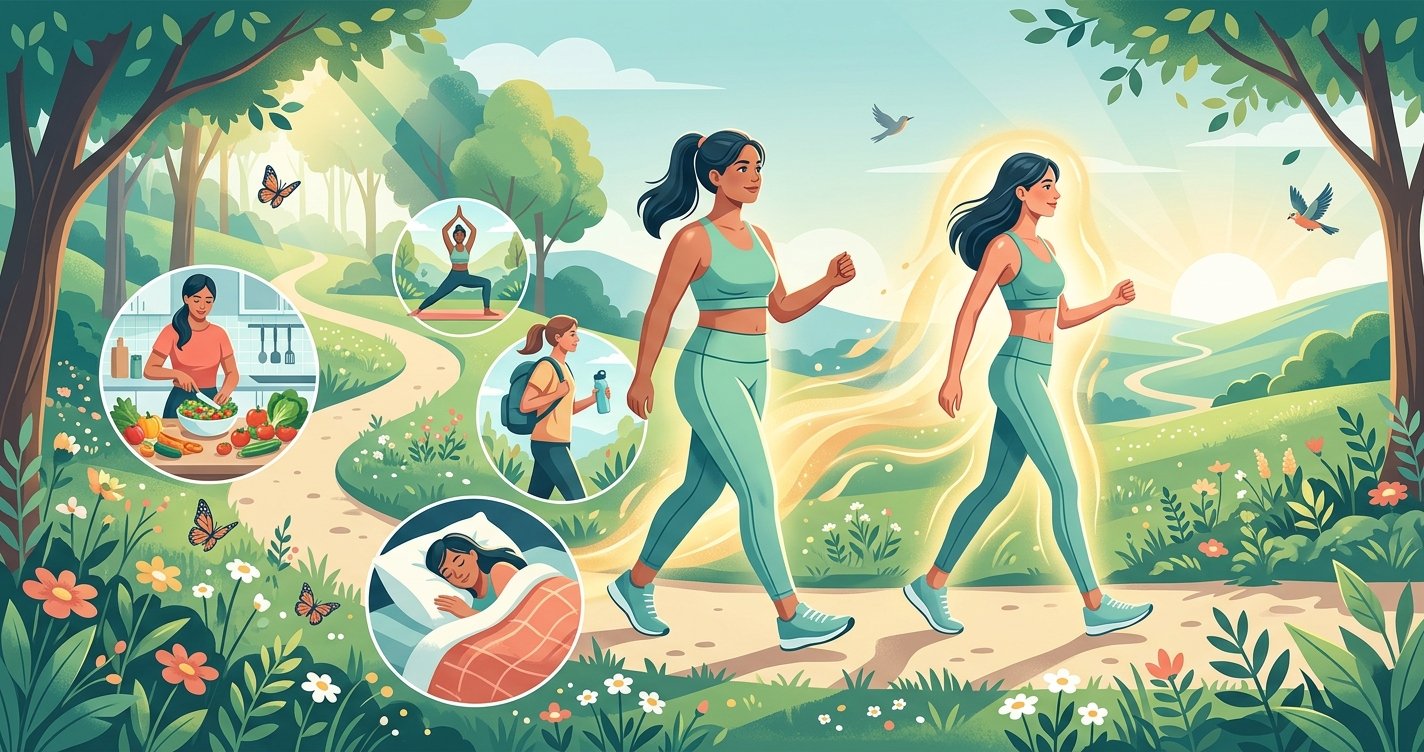
Sustainable Fat Loss: Build Habits That Melt Fat & Keep It Off For Good
Are you tired of the endless cycle of crash diets, rapid weight loss, and then watching the pounds creep back on (and often bringing friends)? You’re not alone. The world of fat loss is often riddled with quick fixes and extreme measures that promise the moon but deliver only frustration. But what if there was a better way? A way to not just lose fat, but to keep it off, feel amazing, and build a healthier relationship with your body and food?
Welcome to the world of sustainable fat loss. This isn't about deprivation or suffering; it's about building consistent, healthy habits that fit into your life, nourish your body, and lead to lasting results. Let's ditch the diet mentality and embark on a journey that empowers you to achieve your fat loss goals for good. this excellent wellness product
Why Quick Fixes Fail (And Why Sustainability Wins)
The allure of a '30-day shred' or a 'miracle detox' is strong, promising rapid results with minimal effort. However, these extreme approaches often backfire spectacularly. When you severely restrict calories or cut out entire food groups, your body goes into survival mode. Your metabolism can slow down, your energy levels plummet, and your cravings skyrocket. Psychologically, feeling deprived often leads to binges, guilt, and a damaged relationship with food.
Sustainable fat loss, on the other hand, is about creating a lifestyle you can maintain indefinitely. It focuses on gradual, consistent changes that become second nature. This approach not only helps you shed fat effectively but also improves your overall health, boosts your mood, and fosters a sense of control and empowerment. It's not just about losing weight; it's about gaining a healthier, happier you.
The Cornerstone: A Balanced, Enjoyable Calorie Deficit
At its core, fat loss boils down to one fundamental principle: consuming fewer calories than your body burns – creating a calorie deficit. However, the key to sustainability lies in making this deficit balanced and enjoyable, not punishing. You don't need to starve yourself; you need to eat smart.
- Understand Your Needs: Start by estimating your daily caloric needs. Online calculators can give you a starting point.
- Small Deficit, Big Impact: Aim for a modest deficit of 300-500 calories per day. This allows for steady fat loss (typically 1-2 pounds per week) without feeling overly restricted or sluggish.
- Prioritize Whole Foods: Focus on nutrient-dense foods like fruits, vegetables, lean proteins, and whole grains. These provide essential vitamins and minerals, keep you feeling full, and fuel your body efficiently.
- Mindful Eating: Pay attention to your body's hunger and fullness cues. Eat slowly, savor your food, and avoid distractions. This helps prevent overeating and enhances your enjoyment of meals.
- Portion Control: Learn what a healthy portion looks like. Using smaller plates or measuring food initially can be helpful until you develop an intuitive sense.
Remember, this isn't about perfection. It's about consistency and making choices that support your goals most of the time.
Power Up with Protein & Fiber: Your Satiety Superheroes
When you're aiming for fat loss, protein and fiber are your best friends. These two nutrients play crucial roles in keeping you full, preserving muscle mass, and supporting a healthy metabolism.
Protein: The Muscle Preserver & Satiety Booster
Protein has a higher thermic effect of food (TEF) than carbs or fats, meaning your body burns more calories digesting it. More importantly, it's essential for preserving muscle mass during a calorie deficit. Muscle is metabolically active, burning more calories at rest than fat, so maintaining it is crucial for long-term success. Protein also keeps you feeling fuller for longer, reducing the urge to snack unnecessarily. Aim for a protein source at every meal: think lean meats, poultry, fish, eggs, dairy, legumes, and tofu.
Fiber: The Gut Health & Fullness Champion
Fiber-rich foods add bulk to your meals without adding many calories. They slow down digestion, stabilize blood sugar levels, and contribute to a feeling of fullness. Soluble fiber, found in oats, beans, apples, and citrus fruits, forms a gel-like substance that can also help lower cholesterol. Insoluble fiber, found in whole grains, nuts, and vegetables, aids in digestive regularity. Load up on fruits, vegetables, whole grains, nuts, and seeds to naturally boost your fiber intake.
Move Your Body: Smart Exercise for Sustainable Fat Loss
While nutrition is paramount for fat loss, incorporating smart exercise amplifies your results and provides a host of other health benefits. It's not just about burning calories; it's about building a stronger, healthier, more resilient body.
- Strength Training is Key: Don't skip the weights! Building muscle increases your resting metabolic rate, meaning you burn more calories even when you're not exercising. Aim for 2-3 full-body strength training sessions per week. You don't need a gym; bodyweight exercises are incredibly effective.
- Cardio for Heart Health & Calorie Burn: Incorporate cardiovascular exercise like brisk walking, jogging, cycling, or swimming. This improves heart health, boosts endurance, and contributes to your calorie deficit. Find activities you genuinely enjoy – this makes consistency much easier!
- Stay Active Throughout the Day: Beyond structured workouts, look for opportunities to move more. Take the stairs, walk during phone calls, stand more often, or take a short walk after meals. These 'non-exercise activity thermogenesis' (NEAT) calories add up!
- Listen to Your Body: Rest and recovery are just as important as the workouts themselves. Don't push yourself to exhaustion every day. Incorporate active recovery like gentle stretching or yoga.
The Unsung Heroes: Sleep, Stress, and Hydration
These often-overlooked factors can make or break your fat loss efforts, regardless of how perfectly you eat or exercise. They profoundly impact your hormones, energy levels, and decision-making.
Prioritize Sleep:
When you skimp on sleep, your body produces more ghrelin (the hunger hormone) and less leptin (the satiety hormone). This means you'll feel hungrier and less satisfied, making it harder to stick to your calorie goals. Poor sleep also increases cortisol (the stress hormone), which can promote fat storage, especially around the midsection. Aim for 7-9 hours of quality sleep per night.
Manage Stress:
Chronic stress keeps cortisol levels elevated, which can interfere with fat loss and lead to increased cravings for high-calorie comfort foods. Find healthy ways to manage stress: meditation, yoga, spending time in nature, hobbies, or connecting with loved ones. Even 10-15 minutes a day can make a difference.
Stay Hydrated:
Drinking enough water is vital for metabolism, energy levels, and even satiety. Sometimes, thirst can be mistaken for hunger. Make water your primary beverage choice and aim for at least 8 glasses a day, more if you're active. Carry a water bottle as a visual reminder.
Mindset Matters: Cultivating Patience and Self-Compassion
Sustainable fat loss is a journey, not a sprint. There will be good days and challenging days, plateaus, and moments of doubt. Cultivating the right mindset is crucial for long-term success.
- Patience is a Virtue: Real, lasting change takes time. Don't get discouraged if the scale doesn't move every day. Focus on consistency over perfection.
- Celebrate Non-Scale Victories: The scale is just one metric. Pay attention to how your clothes fit, your energy levels, improved sleep, increased strength, better mood, and clearer skin. These 'non-scale victories' are powerful motivators.
- Practice Self-Compassion: If you have an off day or a less-than-ideal meal, don't beat yourself up. Acknowledge it, learn from it, and get back on track with your next choice. Guilt and shame are counterproductive.
- Focus on Progress, Not Perfection: Aim for continuous improvement, not flawlessness. Every healthy choice is a step in the right direction.
Small Changes, Big Impact: Building Habits Incrementally
The idea of overhauling your entire lifestyle can feel overwhelming. The beauty of sustainable fat loss lies in starting small and building habits incrementally. Don't try to change everything at once.
- Pick one or two small habits to focus on each week or month.
- Examples: Drink a glass of water before every meal. Add a serving of vegetables to dinner. Go for a 15-minute walk after lunch. Swap sugary drinks for water.
- Once a habit feels ingrained, add another. These small, consistent actions compound over time, leading to significant and lasting results.
Your Journey to Lasting Fat Loss Starts Now
Sustainable fat loss isn't a quick fix; it's a profound shift towards a healthier, happier lifestyle. By focusing on a balanced calorie deficit, prioritizing protein and fiber, incorporating smart exercise, optimizing sleep and stress, and cultivating a positive mindset, you're not just losing fat – you're building a foundation for lifelong well-being.
It's an empowering journey of discovery, self-care, and consistent effort. Embrace the process, be kind to yourself, and celebrate every step forward. You have the power to create lasting change and unlock the vibrant, energetic version of yourself that you deserve. Let's start building those sustainable habits today!