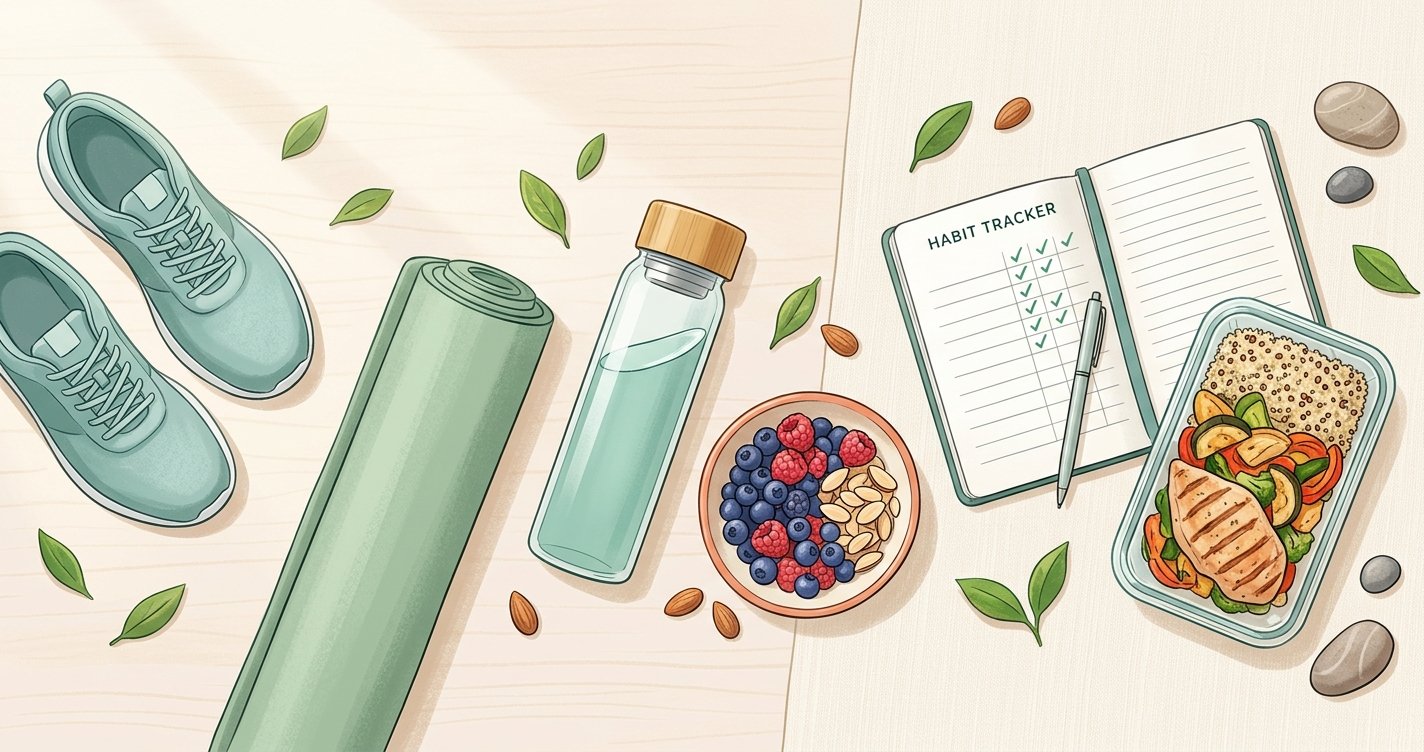
Are you tired of the frustrating cycle of crash diets, quick fixes, and the inevitable rebound? You’re not alone. Many people embark on a fat loss journey with immense motivation, only to find themselves back where they started, feeling defeated. The truth is, sustainable fat loss isn't about deprivation or extreme measures; it's about building healthy, consistent habits that serve your body and mind in the long run. This isn't just about shedding pounds; it's about transforming your lifestyle for lasting health, vitality, and confidence.
In this comprehensive guide, we'll explore the evidence-based strategies that empower you to achieve your fat loss goals and maintain them for good. Get ready to ditch the quick fixes and embrace a smarter, more sustainable approach to a healthier you! this excellent wellness product
The Core Principle: Understanding Your Energy Balance
At its heart, fat loss boils down to a fundamental concept: energy balance. It's not magic; it's physics. To lose fat, you need to consistently consume slightly fewer calories than your body burns. This creates a 'calorie deficit,' prompting your body to tap into its fat stores for energy.
What is a Calorie Deficit, Really?
Think of your body as a car. Calories are its fuel. If you put less fuel in than the car needs to run, it will start using the fuel already stored in its tank. For your body, that 'stored fuel' is primarily body fat. Your Total Daily Energy Expenditure (TDEE) is the number of calories your body burns in a day, including your basal metabolic rate (BMR), physical activity, and the energy used to digest food. To lose fat, you need to eat below your TDEE.
Smart Deficits vs. Crash Diets: The Sustainable Difference
The key word here is 'slightly fewer.' A smart calorie deficit is typically 300-500 calories below your TDEE. This allows for gradual, consistent fat loss (around 1-2 pounds per week for most people) while preserving muscle mass and preventing your metabolism from slowing down excessively. Crash diets, on the other hand, often involve extreme deficits (800-1000+ calories below TDEE). While they might lead to rapid initial weight loss, much of it is water and muscle, not just fat. This approach is unsustainable, can lead to nutrient deficiencies, muscle loss, metabolic slowdown, and often results in rebound weight gain once the diet ends. Sustainability means aiming for progress, not perfection, and prioritizing health over speed.
Fueling Your Body Smart: Nutrition Strategies for Fat Loss
What you eat is just as important as how much you eat. Focusing on nutrient-dense foods will keep you feeling full, energized, and satisfied, making your calorie deficit much easier to maintain.
The Power of Protein
Protein is your best friend when it comes to fat loss. Here's why:
- Satiety: Protein is incredibly filling, helping to reduce cravings and overall calorie intake.
- Muscle Preservation: When you're in a calorie deficit, your body can break down muscle for energy. Adequate protein intake helps protect your hard-earned muscle mass, which is crucial for a healthy metabolism.
- Thermic Effect: Protein has a higher thermic effect of food (TEF) than carbs or fats, meaning your body burns more calories digesting and metabolizing it.
Aim for 0.7-1 gram of protein per pound of body weight per day. Incorporate lean protein sources like chicken breast, fish, eggs, Greek yogurt, tofu, lentils, and lean beef into every meal.
Embrace Whole Foods: Fiber, Healthy Fats, and Smart Carbs
Don't demonize entire food groups. Instead, focus on quality:
- Fiber-Rich Carbohydrates: Opt for complex carbohydrates like whole grains (oats, quinoa, brown rice), fruits, and vegetables. These are packed with fiber, which promotes satiety, aids digestion, and helps regulate blood sugar levels. They provide sustained energy without the crash associated with refined carbs.
- Healthy Fats: Fats are essential for hormone production, nutrient absorption, and satiety. Include sources like avocados, nuts, seeds, olive oil, and fatty fish (salmon) in moderation. They add flavor and help keep you full, but remember they are calorie-dense.
By prioritizing whole, unprocessed foods, you naturally reduce your intake of empty calories, added sugars, and unhealthy fats.
Hydration and Mindful Eating
Don't underestimate the power of water! Staying well-hydrated is crucial for metabolism, energy levels, and can even help manage hunger (sometimes thirst is mistaken for hunger). Aim for 8-10 glasses of water daily. Additionally, practice mindful eating: slow down, savor your food, pay attention to your body's hunger and fullness cues, and eat without distractions. This helps you recognize when you're truly satisfied, preventing overeating.
Moving Your Body Effectively: Exercise for Sustainable Fat Loss
While nutrition creates the deficit, exercise amplifies fat loss, builds strength, and improves overall health. It's about smart movement, not endless hours at the gym.
Strength Training: Your Fat-Burning Secret Weapon
If you're not lifting weights, you're missing out on one of the most powerful tools for fat loss. Here's why:
- Boosts Metabolism: Muscle tissue is metabolically active, meaning it burns more calories at rest than fat tissue. Building muscle increases your resting metabolic rate, making it easier to maintain a deficit.
- Body Recomposition: Strength training helps you lose fat while building muscle, leading to a leaner, more toned physique even if the scale doesn't move dramatically.
- Improved Strength and Bone Density: Beyond aesthetics, it makes you stronger, improves functional fitness, and strengthens your bones.
Aim for 2-4 strength training sessions per week, focusing on compound movements like squats, deadlifts, presses, and rows.
Cardio for Heart Health and Calorie Burn
Cardiovascular exercise is excellent for burning calories, improving heart health, and boosting endurance. You can choose between:
- High-Intensity Interval Training (HIIT): Short bursts of intense exercise followed by brief recovery periods. Efficient for calorie burning and improving fitness in less time.
- Low-Intensity Steady State (LISS): Longer durations of moderate-intensity activity, like brisk walking, jogging, or cycling. Great for active recovery and maintaining a steady calorie burn without excessive fatigue.
Find what you enjoy and aim for 150-300 minutes of moderate-intensity cardio or 75-150 minutes of vigorous-intensity cardio per week.
The Unsung Hero: Non-Exercise Activity Thermogenesis (NEAT)
NEAT refers to the calories burned through all your daily movements that aren't formal exercise – walking, fidgeting, standing, cleaning, taking the stairs. These seemingly small movements add up significantly over a day and week. Consciously increasing your NEAT (e.g., parking further away, taking walk breaks, standing while working) can make a substantial difference in your overall calorie expenditure without feeling like a workout.
Beyond the Plate and Gym: Crucial Lifestyle Factors
Fat loss isn't just about what you eat and how you move; it's deeply intertwined with your overall lifestyle.
Prioritize Sleep for Hormonal Harmony
Lack of sleep can sabotage your fat loss efforts without you even realizing it. Poor sleep disrupts hormones that regulate hunger and satiety: it increases ghrelin (the hunger hormone) and decreases leptin (the satiety hormone). It also elevates cortisol (the stress hormone) and impairs insulin sensitivity, both of which can promote fat storage, especially around the abdomen. Aim for 7-9 hours of quality sleep per night to optimize your body's fat-burning potential and reduce cravings.
Stress Management: Taming the Cortisol Beast
Chronic stress triggers the release of cortisol, which can lead to increased appetite, cravings for unhealthy foods, and a tendency to store fat, particularly in the abdominal area. Finding healthy ways to manage stress is vital for sustainable fat loss. Incorporate stress-reducing activities into your daily routine, such as meditation, yoga, deep breathing exercises, spending time in nature, or engaging in hobbies you enjoy. Your mental well-being is just as important as your physical efforts.
Cultivating a Mindset for Lasting Change
The most powerful tool in your sustainable fat loss journey isn't a diet plan or an exercise routine; it's your mindset. Patience, consistency, and self-compassion are your greatest allies.
Setting Realistic Goals and Patience
Fat loss is a marathon, not a sprint. Setting unrealistic goals (like losing 10 pounds in a week) often leads to disappointment and giving up. Aim for gradual, sustainable progress. Celebrate small victories along the way, and remember that plateaus are normal. Your body needs time to adapt, and true transformation takes patience.
Tracking Progress Beyond the Scale
The scale only tells part of the story. While it can be a useful tool, don't let it be your sole measure of success. Consider these other indicators:
- Body Measurements: Waist, hips, arms, and thighs can show inches lost even if the scale doesn't budge.
- Progress Photos: Visual changes can be incredibly motivating and reveal body recomposition.
- How Your Clothes Fit: A great indicator that you're losing fat and gaining muscle.
- Energy Levels: Feeling more energetic throughout the day.
- Strength Gains: Lifting heavier, running faster, or performing exercises with better form.
- Improved Mood and Sleep: Holistic benefits are often the most rewarding.
Building Sustainable Habits, One Step at a Time
Instead of trying to overhaul everything at once, focus on building one or two new habits at a time. Once they become second nature, add another. This gradual approach is less overwhelming and far more likely to stick. For example, start by adding protein to every meal, then incorporate a 30-minute walk daily, then focus on improving your sleep. Small, consistent changes lead to monumental results over time.
Conclusion: Your Journey to Lasting Fat Loss Starts Now
Sustainable fat loss isn't a destination; it's a journey of continuous improvement and self-discovery. By focusing on smart nutrition, effective exercise, crucial lifestyle factors like sleep and stress management, and cultivating a positive, patient mindset, you can break free from the cycle of yo-yo dieting and achieve lasting results. Remember, this isn't about perfection; it's about consistency, self-compassion, and making choices that empower you to live a healthier, happier life. Start small, be consistent, and trust the process. Your healthier, more vibrant self is waiting!