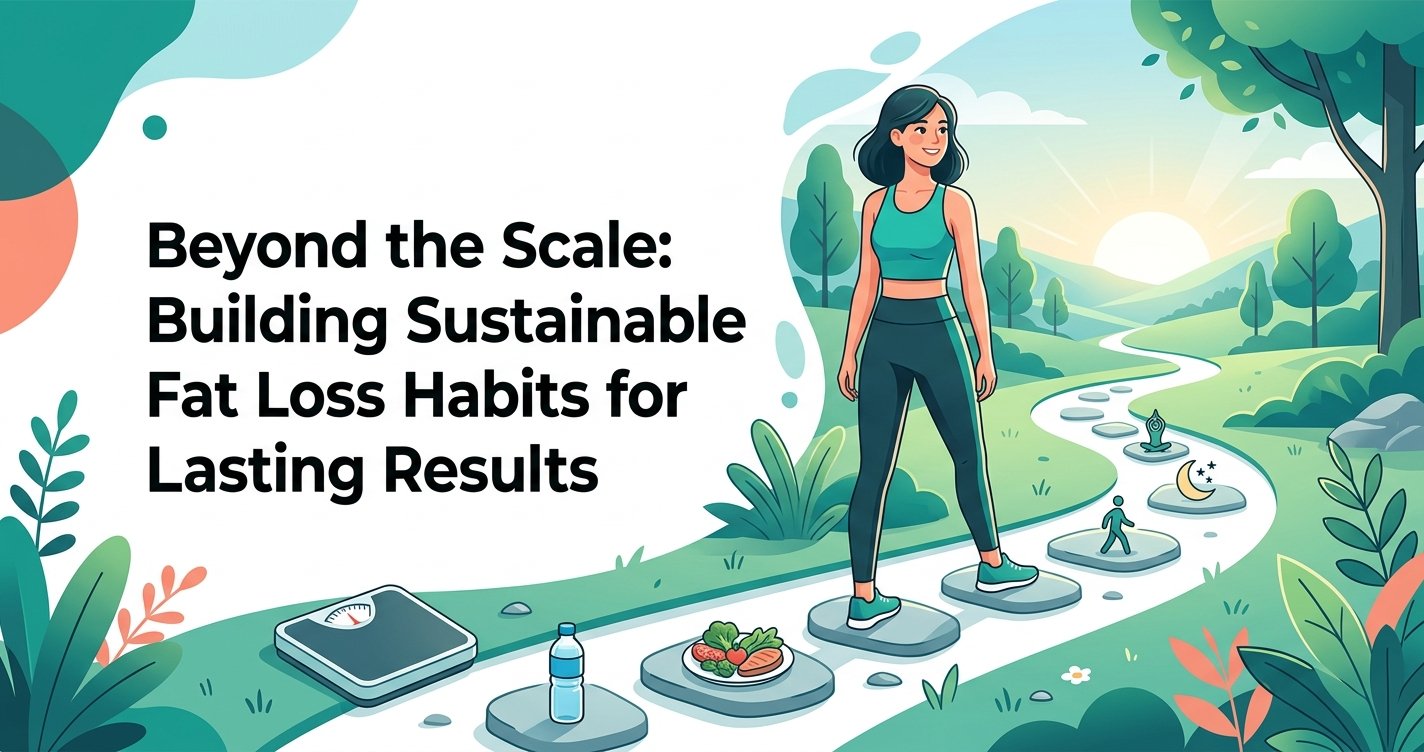
We've all been there: the allure of the quick fix, the promise of rapid results, only to find ourselves back where we started, often feeling more frustrated than before. The journey to fat loss can feel like a rollercoaster of hope and disappointment, largely because we often focus on the destination (the number on the scale) rather than the path (the habits we build). But what if there was a way to achieve lasting change, to shed unwanted fat not through deprivation, but through sustainable, enjoyable habits that transform your body and your life?
This isn't about dieting; it's about upgrading your lifestyle. It's about understanding that true, sustainable fat loss isn't a race, but a marathon built on consistent, healthy choices. Forget extreme restrictions and unrealistic workout regimes. Instead, let's explore how to cultivate a foundation of habits that support your body's natural ability to burn fat, improve your overall health, and keep you feeling energized and confident for the long haul. this excellent wellness product
Understanding Sustainable Fat Loss: More Than Just a Number
Before we dive into the 'how,' let's clarify what 'sustainable fat loss' truly means. It's not just about losing weight; it's about losing fat while preserving muscle mass, improving body composition, and doing so in a way that you can maintain indefinitely. Quick fixes often lead to rapid weight loss that includes muscle and water, slowing your metabolism and making it easier to regain the lost weight once the restrictive diet ends.
Sustainable fat loss focuses on gradual, consistent progress. It prioritizes health markers like energy levels, sleep quality, strength, and mental well-being over just the scale. When you build sustainable habits, you create a new normal for your body, making fat loss an organic byproduct of a healthier lifestyle rather than a constant battle against your own biology.
Pillar 1: Nourishing Your Body with Smart Nutrition Choices
Nutrition is arguably the most crucial component of any fat loss journey. However, 'smart nutrition' isn't about starving yourself; it's about fueling your body efficiently and effectively.
Focus on Whole, Unprocessed Foods
- The Foundation: Prioritize fruits, vegetables, lean proteins, whole grains, and healthy fats. These foods are rich in nutrients, fiber, and water, which promote satiety and provide sustained energy.
- Why it Works: Processed foods often contain hidden sugars, unhealthy fats, and excessive sodium, contributing to inflammation and hindering fat loss. Whole foods, by contrast, support your metabolism and keep hunger at bay.
Master Portion Control, Not Deprivation
- Awareness is Key: You don't necessarily need to count every calorie, but becoming mindful of appropriate portion sizes is vital. Use smaller plates, listen to your body's hunger and fullness cues (mindful eating), and understand what a healthy serving looks like.
- Practical Tips: Fill half your plate with non-starchy vegetables, a quarter with lean protein, and the remaining quarter with complex carbohydrates. This visual guide can be incredibly effective.
Prioritize Protein and Fiber
- The Satiety Duo: Protein is essential for muscle preservation during fat loss and is highly satiating. Fiber, found in fruits, vegetables, and whole grains, adds bulk to your meals, helping you feel full longer and supporting digestive health.
- Boost Your Metabolism: Your body expends more energy digesting protein than fats or carbs, a phenomenon known as the thermic effect of food (TEF). This can give your metabolism a slight, consistent boost.
Pillar 2: Moving Your Body for Strength and Stamina
Exercise isn't just about burning calories; it's about building a stronger, more resilient body that's optimized for fat loss and overall health. Consistency trumps intensity when it comes to long-term results.
Embrace Strength Training
- Muscle is Metabolic: Muscle tissue is more metabolically active than fat tissue. Building and maintaining muscle helps elevate your resting metabolic rate, meaning you burn more calories even when you're at rest.
- Shape and Strength: Strength training (using weights, resistance bands, or your own body weight) not only aids fat loss but also tones your body, improves bone density, and enhances functional strength for everyday life. Aim for 2-3 sessions per week.
Incorporate Cardio You Enjoy
- Heart Health & Calorie Burn: Cardiovascular exercise improves heart health, boosts stamina, and burns calories. The key is to find activities you genuinely enjoy – whether it's brisk walking, jogging, cycling, swimming, dancing, or hiking.
- Consistency is Key: When you enjoy your workouts, you're far more likely to stick with them. Aim for at least 150 minutes of moderate-intensity cardio or 75 minutes of vigorous-intensity cardio per week.
The Power of NEAT (Non-Exercise Activity Thermogenesis)
- Everyday Movement: NEAT refers to the energy expended for everything we do that is not sleeping, eating, or sports-like exercise. This includes walking to work, gardening, fidgeting, taking the stairs, or even standing instead of sitting.
- Small Changes, Big Impact: Boosting your NEAT throughout the day can significantly increase your daily calorie expenditure without feeling like a formal workout. Aim for more steps, more standing, and more general movement.
Pillar 3: Optimizing Lifestyle Factors for Hormonal Harmony
Beyond diet and exercise, several lifestyle factors play a critical role in hormonal balance, which directly impacts your body's ability to burn fat effectively.
Prioritize Quality Sleep
- Hormonal Regulation: Lack of sleep can wreak havoc on your hunger hormones – increasing ghrelin (which stimulates appetite) and decreasing leptin (which signals fullness). It also elevates cortisol, a stress hormone linked to belly fat storage.
- Recovery and Repair: Aim for 7-9 hours of quality sleep per night. Good sleep is essential for muscle recovery, cognitive function, and metabolic health.
Manage Stress Effectively
- Cortisol's Role: Chronic stress keeps cortisol levels elevated, promoting fat storage, especially around the midsection. It can also lead to emotional eating and reduced motivation for healthy habits.
- Healthy Coping Mechanisms: Incorporate stress-reducing activities into your daily routine, such as meditation, yoga, deep breathing exercises, spending time in nature, or engaging in hobbies you love.
Stay Hydrated
- Metabolism Boost: Water is crucial for countless bodily functions, including metabolism. Dehydration can slow down your metabolism and make you feel sluggish.
- Satiety and Digestion: Drinking enough water can help you feel fuller, potentially reducing overall calorie intake. It also aids digestion and nutrient absorption. Aim for at least 8 glasses (around 2 liters) per day, more if you're active.
Pillar 4: Cultivating a Mindset for Lasting Success
Your mental approach to fat loss is just as important as your physical actions. A positive, patient, and resilient mindset is the ultimate secret weapon for sustainable results.
Set Realistic Goals and Celebrate Small Wins
- Focus on Progress, Not Perfection: Instead of fixating on a large, intimidating goal, break it down into smaller, achievable milestones. Celebrate non-scale victories like increased energy, better sleep, stronger lifts, or clothes fitting better.
- Motivation Boost: Acknowledging your progress keeps you motivated and reinforces the positive changes you're making.
Practice Self-Compassion and Patience
- Embrace Imperfection: There will be days when you slip up, make less-than-ideal choices, or feel discouraged. Instead of self-criticism, practice self-compassion. Acknowledge the setback, learn from it, and gently guide yourself back on track.
- The Long Game: Sustainable fat loss is a journey, not a sprint. Be patient with yourself and trust the process. Consistency over time yields far better results than sporadic bursts of extreme effort.
Build a Supportive Environment
- Surround Yourself with Positivity: Seek out friends, family, or online communities that support your health goals. Share your journey, celebrate successes, and lean on them during challenges.
- Accountability: A supportive network can provide accountability and encouragement, making it easier to stick to your healthy habits.
Your Journey to Sustainable Fat Loss Starts Today
Achieving sustainable fat loss isn't about chasing a fleeting number; it's about building a healthier, happier you. By focusing on smart nutrition, consistent movement, optimized lifestyle factors, and a resilient mindset, you're not just losing fat – you're gaining a lifetime of well-being. Start small, be consistent, and trust that every healthy habit you cultivate is a step towards a stronger, more vibrant you. Your body will thank you for it!