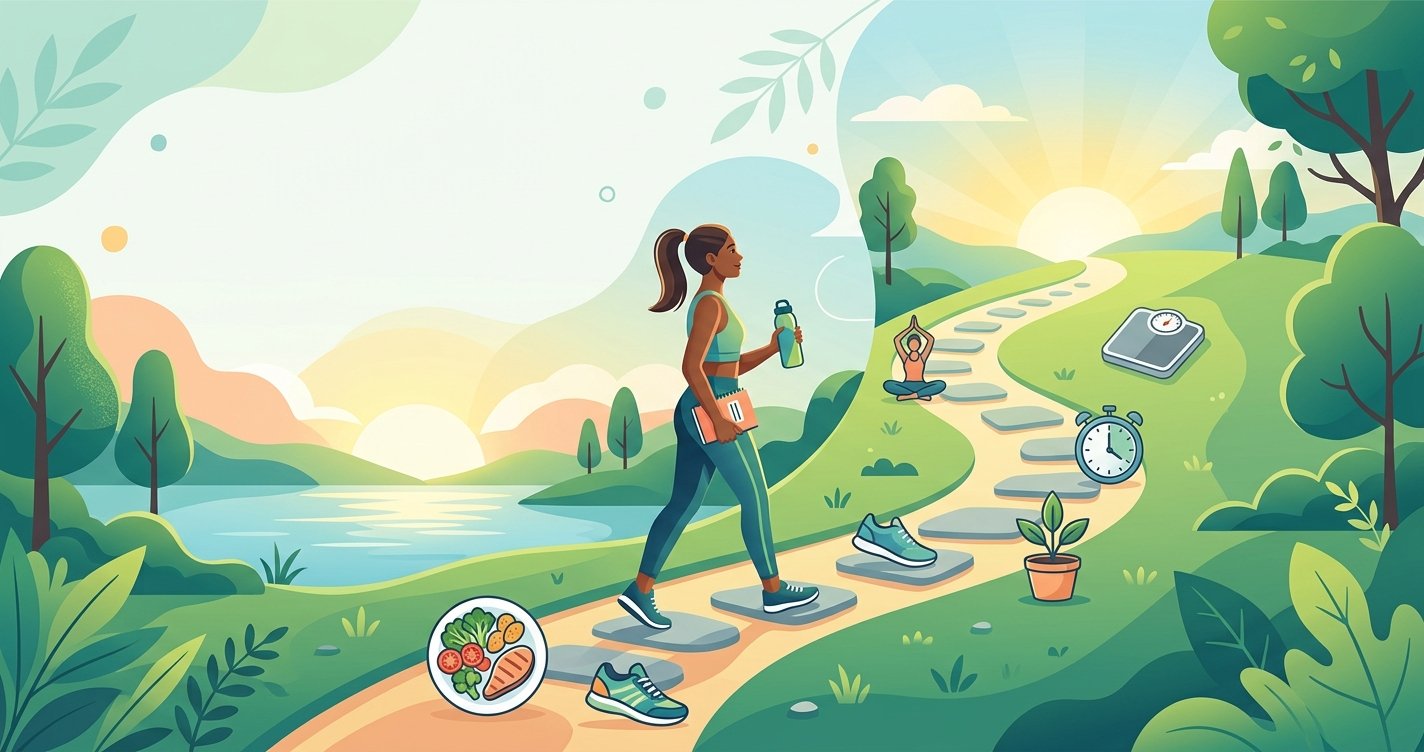
Have you ever felt caught in the frustrating cycle of losing weight, only to gain it back (and sometimes more)? You're not alone. The world of fat loss is often dominated by quick fixes, restrictive diets, and intense workout regimes that promise rapid results but rarely deliver lasting change. While the scale might budge temporarily, true, sustainable fat loss isn't just about dropping numbers; it's about transforming your lifestyle and building habits that support your health and well-being for the long haul. It's about moving beyond the scale and focusing on sustainable, evidence-based strategies that empower you.
In this comprehensive guide, we're going to dive deep into the real pillars of sustainable fat loss. We'll explore how to nourish your body, move with purpose, prioritize crucial recovery, and manage stress – all while fostering a mindset of self-compassion and patience. Get ready to ditch the crash diets and embrace a healthier, happier you! this excellent wellness product
Why "Quick Fixes" Don't Last (And What Does)
The allure of a rapid transformation is powerful. Juice cleanses, extreme calorie restriction, and fad diets promise a shortcut to your desired physique. The problem? Our bodies are incredibly complex, adaptive systems. When you drastically cut calories or eliminate entire food groups, your body often responds by slowing your metabolism, increasing hunger hormones, and making it harder to sustain your efforts. Not to mention the mental toll of constant deprivation!
Sustainable fat loss, on the other hand, focuses on creating a caloric deficit in a way that is gradual, manageable, and nourishing. It's about making small, consistent changes that accumulate over time, allowing your body and mind to adapt without feeling constantly under attack. This holistic approach is what truly leads to lasting success.
The Pillars of Sustainable Fat Loss
Nourish, Don't Punish: Smart Nutrition Choices
Nutrition is arguably the cornerstone of fat loss. However, it doesn't mean eating boring, tasteless food or feeling perpetually hungry. It's about making smart, informed choices that fuel your body and keep you satisfied.
- Prioritize Protein: Protein is your best friend for fat loss. It's highly satiating, meaning it keeps you feeling full for longer, and it helps preserve muscle mass during a calorie deficit. Aim for a good source of lean protein at every meal (chicken, fish, lean beef, eggs, tofu, lentils).
- Embrace Fiber-Rich Foods: Found in fruits, vegetables, whole grains, and legumes, fiber adds bulk to your meals, aids digestion, and contributes to satiety. Fill half your plate with colorful veggies!
- Choose Healthy Fats: Don't fear fats! Healthy fats (avocado, nuts, seeds, olive oil) are crucial for hormone production, nutrient absorption, and satiety. Just remember they are calorie-dense, so portion control is key.
- Mindful Eating: Pay attention to your body's hunger and fullness cues. Eat slowly, savor your food, and avoid distractions. This helps prevent overeating and fosters a healthier relationship with food.
- Hydration is Key: Often overlooked, drinking plenty of water can help with satiety, boost metabolism slightly, and improve overall bodily functions.
Move Your Body, Love Your Body: The Power of Movement
While you can't out-train a bad diet, physical activity is vital for fat loss, muscle maintenance, and overall health. It's not just about burning calories during a workout; it's about building strength, improving cardiovascular health, and boosting your metabolism.
- Strength Training is Non-Negotiable: Lifting weights (or using your body weight) builds muscle, and muscle burns more calories at rest than fat. This means a more efficient metabolism and a more toned physique. Aim for 2-3 sessions per week.
- Cardio for Heart Health & Calorie Burn: Incorporate moderate-intensity cardio like brisk walking, jogging, cycling, or swimming. Find activities you enjoy to make it sustainable.
- NEAT (Non-Exercise Activity Thermogenesis): This refers to the calories you burn from everyday movements outside of structured exercise – walking to work, taking the stairs, fidgeting, doing chores. Increasing your NEAT can significantly contribute to your daily calorie expenditure. Get up and move frequently!
Sleep Your Way to Success: The Unsung Hero
Think fat loss is all about diet and exercise? Think again. Sleep is a powerful, often underestimated, tool in your arsenal. Insufficient sleep wreaks havoc on your hormones, directly impacting your hunger, cravings, and ability to lose fat.
- Hormonal Havoc: Lack of sleep increases ghrelin (the hunger hormone) and decreases leptin (the satiety hormone), making you feel hungrier and less satisfied. It also elevates cortisol (the stress hormone), which can promote fat storage, especially around the abdomen.
- Energy & Motivation: When you're well-rested, you have more energy for workouts and are more likely to make healthy food choices. Sleep deprivation often leads to seeking quick energy fixes, which usually come in the form of sugary snacks.
- Aim for 7-9 Hours: Prioritize 7-9 hours of quality sleep per night. Establish a consistent sleep schedule, create a relaxing bedtime routine, and optimize your sleep environment.
Tame the Stress Monster: Mindset & Mental Well-being
Chronic stress is a silent saboteur of fat loss efforts. When you're stressed, your body releases cortisol, which, as mentioned, can encourage fat storage and increase cravings for comfort foods.
- Manage Cortisol: Identify your stressors and find healthy coping mechanisms. This could include meditation, yoga, spending time in nature, journaling, or simply taking breaks throughout your day.
- Practice Self-Compassion: The journey to sustainable fat loss isn't linear. There will be good days and challenging days. Be kind to yourself, learn from setbacks, and avoid self-criticism, which only adds to stress.
- Focus on Progress, Not Perfection: Celebrate small victories and acknowledge how far you've come. This positive reinforcement keeps you motivated and engaged in the process.
Beyond the Basics: Advanced Strategies for Lifelong Results
The Power of Consistency & Patience
True change takes time. Rapid fat loss often means rapid rebound. Sustainable results come from consistent effort applied over weeks, months, and even years. Don't get discouraged if the scale doesn't move every day. Focus on showing up for yourself, day after day, and trust the process. Patience is a virtue, especially in health and fitness.
Track, Learn, Adjust: Becoming Your Own Body's Expert
While obsessive tracking can be detrimental, some level of awareness can be incredibly empowering. This doesn't mean logging every single calorie forever, but understanding what works for your unique body.
- Gentle Tracking: Briefly tracking your food intake can reveal patterns, highlight areas for improvement, and ensure you're in a moderate calorie deficit.
- Listen to Your Body: Pay attention to how different foods make you feel, what types of exercise you enjoy most, and how your body responds to sleep and stress.
- Be Flexible: Life happens. Learn to adjust your strategy when circumstances change. A sustainable approach allows for flexibility and adapts to your evolving needs.
Your Sustainable Fat Loss Toolkit: Actionable Steps
Ready to put these insights into action? Here's a quick toolkit to get you started:
- Plate Power: Aim for half your plate to be non-starchy vegetables, a quarter lean protein, and a quarter complex carbohydrates.
- Move Daily: Find an enjoyable movement routine that includes both strength training and cardio. Walk more!
- Sleep Sanctuary: Prioritize 7-9 hours of quality sleep.
- Stress Less: Incorporate daily stress-reduction practices.
- Hydrate Smart: Drink plenty of water throughout the day.
- Mindful Moments: Practice mindful eating and self-compassion.
- Be Patient: Understand that lasting results take time and consistency.
Sustainable fat loss isn't about deprivation; it's about empowerment. It's about understanding your body, making informed choices, and building a lifestyle that supports your health and happiness for years to come. By focusing on nourishing your body, moving with purpose, prioritizing sleep, and managing stress, you're not just losing weight – you're gaining a healthier, more vibrant life. You've got this!