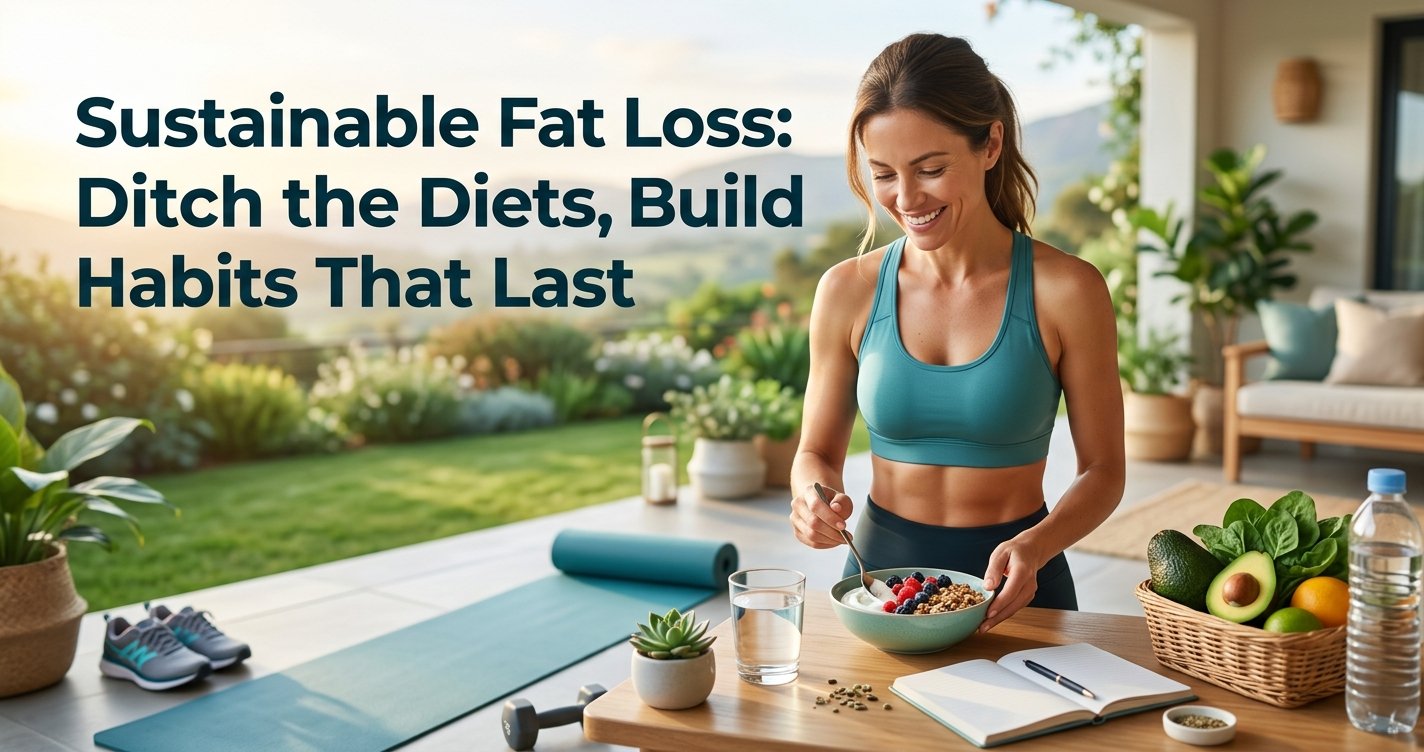
Sustainable Fat Loss: Ditch the Diets, Build Habits That Last
Tired of the weight loss rollercoaster? You know the one: extreme diets, rapid weight loss, only to see the numbers creep back up (and often bring friends!). It’s a frustrating cycle that leaves many feeling defeated and questioning their willpower. But here’s a liberating truth: it’s not your willpower that’s the problem. It’s often the unsustainable, short-sighted approach of crash dieting itself. True, lasting fat loss isn't about quick fixes; it's about building healthy, consistent habits that support your body and mind for the long haul. Let's explore how to break free from the diet trap and create a sustainable path to a healthier, happier you.
Why Crash Diets Are a Recipe for Failure (and Frustration)
Crash diets, often characterized by severe calorie restriction or the elimination of entire food groups, promise rapid results. And initially, they might deliver! But this immediate gratification comes at a high cost, both physically and mentally. The body is a complex system, and it doesn't respond well to drastic deprivation. this excellent wellness product
The Metabolism Myth: Slowing Down Your Engine
When you drastically cut calories, your body perceives it as a famine. In an evolutionary response, it tries to conserve energy by slowing down your metabolism. This is known as adaptive thermogenesis. So, while you might be eating less, your body is also burning fewer calories at rest, making it harder to continue losing weight and incredibly easy to regain it once you return to more normal eating patterns. Furthermore, a significant portion of the initial weight lost on crash diets is often water weight and precious muscle mass, not just fat. Muscle is metabolically active, meaning it burns more calories at rest than fat does. Losing muscle further reduces your metabolic rate, setting you up for rebound weight gain.
Mental Toll: Restriction, Cravings, and Guilt
Beyond the physical, crash diets take a heavy psychological toll. Constant restriction can lead to intense cravings, obsessive thoughts about food, and a strained relationship with eating. When you inevitably 'fall off the wagon,' feelings of guilt, shame, and failure can become overwhelming, perpetuating a cycle of restriction and bingeing. This isn't a sustainable way to live, nor is it conducive to long-term well-being.
Nutrient Deficiencies and Health Risks
Many restrictive diets cut out essential food groups, potentially leading to nutrient deficiencies. A lack of vital vitamins, minerals, and macronutrients can impact everything from your energy levels and mood to your immune system and long-term health. Sustainable fat loss prioritizes nourishing your body, not depriving it.
The Pillars of Sustainable Fat Loss: A Holistic Approach
So, if crash diets don't work, what does? A holistic approach that focuses on nourishing your body, moving it consistently, prioritizing recovery, and managing stress. Think of it as building a robust foundation for lifelong health, not just a temporary fix.
Fueling Your Body Smartly: Beyond Just Calories
While a calorie deficit is necessary for fat loss, the quality of those calories matters immensely. Focus on whole, unprocessed foods that provide sustained energy and essential nutrients.
- Prioritize Protein: Protein is crucial for fat loss. It's highly satiating, helping you feel fuller for longer, which can naturally reduce overall calorie intake. It also helps preserve muscle mass during weight loss and has a higher thermic effect of food (TEF) compared to carbs and fats, meaning your body burns more calories digesting it. Aim for a good source of protein at every meal.
- Embrace Fiber-Rich Foods: Found in fruits, vegetables, and whole grains, fiber aids digestion, stabilizes blood sugar, and contributes to satiety. These foods are generally low in calories and packed with nutrients.
- Don't Fear Healthy Fats: Healthy fats (from avocados, nuts, seeds, olive oil) are vital for hormone production, nutrient absorption, and satiety. They are calorie-dense, so portion control is key, but they are essential for overall health.
- Hydration is Key: Often overlooked, adequate water intake supports metabolism, helps with satiety, and is vital for every bodily function.
- Mindful Eating: Pay attention to your body's hunger and fullness cues. Eat slowly, savor your food, and minimize distractions. This helps prevent overeating and fosters a healthier relationship with food.
Move Your Body: Exercise for Strength and Stamina
Exercise isn't just about burning calories; it's about building a stronger, healthier, more resilient body. A combination of strength training and cardiovascular exercise is ideal for sustainable fat loss.
- Strength Training: Lifting weights or performing bodyweight exercises is paramount. It helps build and preserve muscle mass, which is crucial for maintaining a healthy metabolism. More muscle means your body burns more calories even at rest. Aim for 2-3 full-body strength sessions per week.
- Cardiovascular Exercise: Activities like brisk walking, jogging, cycling, or swimming improve cardiovascular health, boost endurance, and contribute to your daily calorie expenditure. Find activities you enjoy to ensure consistency.
- NEAT (Non-Exercise Activity Thermogenesis): Simple daily movements like taking the stairs, parking further away, or standing more throughout the day can significantly increase your calorie burn without feeling like a formal workout. Every little bit adds up!
Prioritize Sleep: The Unsung Hero of Weight Management
Sleep is often the first thing to be sacrificed in our busy lives, but it plays a critical role in fat loss and overall health. Lack of sleep can wreak havoc on your hormones, specifically ghrelin (the hunger hormone) and leptin (the satiety hormone), leading to increased appetite and cravings for unhealthy foods. It also elevates cortisol, a stress hormone linked to increased belly fat storage. Aim for 7-9 hours of quality sleep per night.
Master Stress: It's Not Just in Your Head
Chronic stress, like lack of sleep, can elevate cortisol levels, which can promote fat storage, especially around the midsection. Stress can also lead to emotional eating and hinder your ability to stick to healthy habits. Incorporate stress-reducing practices into your daily routine, such as meditation, yoga, deep breathing exercises, spending time in nature, or engaging in hobbies you enjoy. Learning to manage stress is a powerful tool in your sustainable fat loss arsenal.
Building Habits That Stick: Small Changes, Big Results
The secret to sustainable fat loss isn't a radical overhaul; it's about making small, consistent changes that accumulate over time. Think of it as laying one brick at a time to build a strong, lasting structure.
- Start Small, Be Consistent: Don't try to change everything at once. Pick one or two habits to focus on (e.g., adding protein to breakfast, taking a 20-minute walk daily). Once they become second nature, add another. Consistency trumps intensity every single time.
- Track Progress (Beyond the Scale): While the scale can be one tool, it doesn't tell the whole story. Track other metrics like body measurements, how your clothes fit, strength improvements in the gym, energy levels, mood, and sleep quality. These non-scale victories are incredibly motivating and reflect true progress in body composition and overall health.
- Embrace Imperfection and Learn from Setbacks: Life happens. There will be days when you don't eat perfectly or miss a workout. This is normal! Don't let one slip-up derail your entire journey. Acknowledge it, learn from it, and get back on track with your next meal or workout. Progress is rarely linear.
- Seek Support and Accountability: Share your goals with a trusted friend, family member, or join a supportive community. Having someone to cheer you on, offer advice, or hold you accountable can make a huge difference in staying motivated and consistent.
Your Journey to Lasting Change: A Non-Linear Path
Embarking on a journey of sustainable fat loss means letting go of the all-or-nothing mindset. It's about progress, not perfection. It's about understanding that your body is unique, and what works for one person might need tweaking for another. This is an exploration, a learning process where you discover what truly nourishes your body and mind.
Remember, the goal isn't just to lose weight; it's to gain health, energy, confidence, and a sustainable lifestyle that you genuinely enjoy. By focusing on consistent, healthy habits rather than restrictive diets, you're not just losing fat; you're building a foundation for a healthier, happier future. Be patient with yourself, celebrate every small victory, and trust the process. Your body will thank you for it.