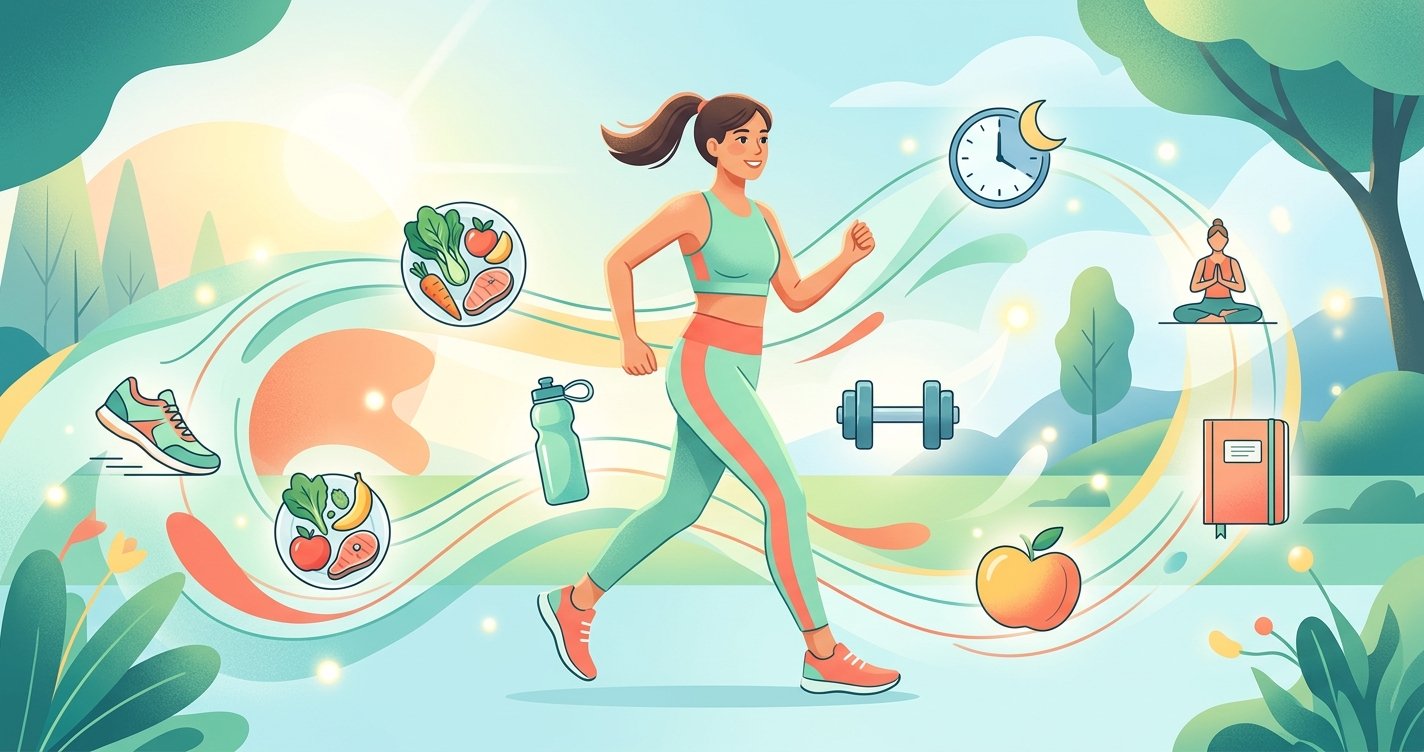
Are you tired of the endless cycle of restrictive diets, quick fixes, and disappointing rebounds? You're not alone. The journey to fat loss can feel like a confusing maze, often leading to frustration rather than lasting results. But what if there was a better way? A path focused not on deprivation, but on building sustainable, healthy habits that effortlessly guide you towards your goals and keep the fat off for good?
This isn't about the latest fad diet or a grueling 30-day challenge. It's about understanding your body, nourishing it intelligently, moving it effectively, and cultivating a mindset that supports long-term success. We're diving deep into the evidence-based strategies for sustainable fat loss – the kind that empowers you to live a healthier, happier life without feeling constantly deprived. this excellent wellness product
Understanding the Core Principle: The Calorie Deficit (But It's Not Just About Less)
At its heart, fat loss boils down to one fundamental principle: a calorie deficit. This means consistently consuming fewer calories than your body expends. When this happens, your body taps into its stored fat for energy. Simple, right? In theory, yes. In practice, it's where most people get tripped up.
The challenge isn't just eating 'less'; it's eating 'smarter' to achieve that deficit without feeling starved, compromising your health, or slowing your metabolism. Crash diets often lead to rapid initial weight loss, but much of it can be water or muscle, not just fat. This can lead to metabolic slowdowns and an even harder time keeping the weight off in the long run. Our goal is to create a moderate, sustainable deficit that prioritizes fat loss while preserving muscle mass and energy levels.
Fueling Your Body Smartly: Nutrition for Sustainable Fat Loss
Forget 'good' and 'bad' foods. Think 'nutrient-dense' and 'energy-dense.' Sustainable fat loss is about making informed food choices that keep you satisfied, energized, and nourished, all while maintaining that crucial calorie deficit.
The Power of Protein
- Satiety Superpower: Protein is king when it comes to keeping you full. It has a high thermic effect (meaning your body burns more calories digesting it) and signals satiety hormones, helping you eat less without feeling hungry.
- Muscle Preservation: Adequate protein intake is vital for preserving lean muscle mass during a calorie deficit. More muscle means a higher resting metabolism.
- Sources: Lean meats, poultry, fish, eggs, dairy, legumes, tofu, tempeh. Aim for 20-30 grams of protein at each main meal.
Embrace Fiber and Whole Foods
- Fiber's Role: Found in fruits, vegetables, whole grains, and legumes, fiber adds bulk to your meals, slowing digestion and promoting fullness. It also supports gut health, which is increasingly linked to metabolic health.
- Nutrient Density: Whole, unprocessed foods are packed with vitamins, minerals, and antioxidants, supporting overall health and energy levels, which is crucial when you're in a deficit.
- Prioritize: Fill half your plate with non-starchy vegetables at every meal.
Smart Carb and Fat Choices
- Carbohydrates: Opt for complex carbohydrates like whole grains (oats, quinoa, brown rice), sweet potatoes, and fruits. These provide sustained energy and fiber, unlike refined carbs that cause blood sugar spikes and crashes.
- Healthy Fats: Don't fear fats! Healthy fats (avocado, nuts, seeds, olive oil, fatty fish) are essential for hormone production, nutrient absorption, and satiety. They are calorie-dense, so portion control is key, but they play a vital role in keeping you satisfied.
Moving Your Body: Exercise for Long-Term Results
While nutrition creates the deficit, exercise optimizes body composition, boosts metabolism, and improves overall health. It's not just about burning calories in the moment; it's about building a stronger, more efficient body.
Why Strength Training is Your Best Friend
- Muscle is Metabolic: Muscle tissue burns more calories at rest than fat tissue. Building and maintaining muscle mass through strength training directly increases your resting metabolic rate, making it easier to stay in a deficit and keep fat off.
- Body Reshaping: Strength training helps sculpt your body, giving you a leaner, more toned physique even before significant weight loss is visible.
- How to Start: Aim for 2-3 full-body strength training sessions per week. You can use bodyweight, resistance bands, dumbbells, or gym machines. Focus on compound movements like squats, deadlifts, presses, and rows.
The Magic of NEAT (Non-Exercise Activity Thermogenesis)
- Beyond the Gym: NEAT refers to all the calories you burn from activities that aren't formal exercise – walking, fidgeting, taking the stairs, cleaning, gardening.
- Small Changes, Big Impact: These seemingly small movements add up significantly throughout the day. Increasing your NEAT can burn hundreds of extra calories without feeling like a workout.
- Boost Your NEAT: Take walking breaks, stand more often, park further away, use a standing desk, take the stairs. Aim for at least 8,000-10,000 steps daily.
The Unseen Battle: Sleep, Stress, and Mindset
Nutrition and exercise are crucial, but often overlooked factors like sleep, stress, and your mental approach can make or break your fat loss journey.
Prioritize Quality Sleep
- Hormonal Harmony: Lack of sleep disrupts hunger-regulating hormones. Ghrelin (the hunger hormone) increases, while leptin (the satiety hormone) decreases, leading to increased cravings and overeating.
- Energy & Recovery: Quality sleep is essential for muscle recovery, energy levels, and decision-making. When you're well-rested, you're more likely to make healthy choices and have the energy for workouts.
- Aim For: 7-9 hours of quality sleep per night. Establish a consistent sleep schedule and create a relaxing bedtime routine.
Manage Your Stress Levels
- Cortisol Connection: Chronic stress elevates cortisol, a hormone that can promote fat storage, particularly around the abdomen. It also often leads to emotional eating.
- Coping Mechanisms: Find healthy ways to manage stress: meditation, yoga, spending time in nature, hobbies, journaling, or talking to a friend.
Cultivate a Growth Mindset and Patience
- It's a Marathon, Not a Sprint: Sustainable fat loss takes time. There will be plateaus and setbacks. A growth mindset views these as learning opportunities, not failures.
- Self-Compassion: Be kind to yourself. Perfection is unattainable. Focus on consistent effort and progress, not just the number on the scale.
Building Habits That Stick: Small Steps, Big Changes
The secret to sustainable fat loss isn't finding the perfect diet; it's integrating healthy behaviors into your daily life until they become second nature.
Start Small and Be Consistent
- Don't Overhaul Everything: Trying to change too much at once is a recipe for burnout. Pick one or two small habits to focus on (e.g., adding protein to breakfast, walking 15 minutes daily).
- Consistency Over Perfection: Doing a little bit consistently is far more effective than doing a lot intermittently.
Track Progress, Not Just Weight
- Beyond the Scale: While the scale can be a tool, it doesn't tell the whole story. Track other metrics: how your clothes fit, energy levels, strength gains, body measurements, progress photos, and overall mood.
- Journaling: A food and exercise journal can provide valuable insights into your habits and identify areas for improvement without judgment.
Learn from Setbacks
- They're Inevitable: Everyone has off days or weeks. Don't let one slip-up derail your entire journey. Analyze what happened, learn from it, and get back on track.
- No Guilt: Avoid self-blame. Guilt often leads to a cycle of giving up. Instead, practice self-forgiveness and refocus on your next healthy choice.
Sustainable fat loss isn't about chasing a number on the scale or adhering to a rigid set of rules. It's about empowering yourself with knowledge, building lasting habits, and fostering a healthy relationship with your body, food, and movement. It's a journey of self-discovery, patience, and consistent effort. Embrace the process, celebrate your small victories, and trust that by building these sustainable habits, you're not just losing fat – you're gaining a healthier, happier, and more vibrant life for years to come.