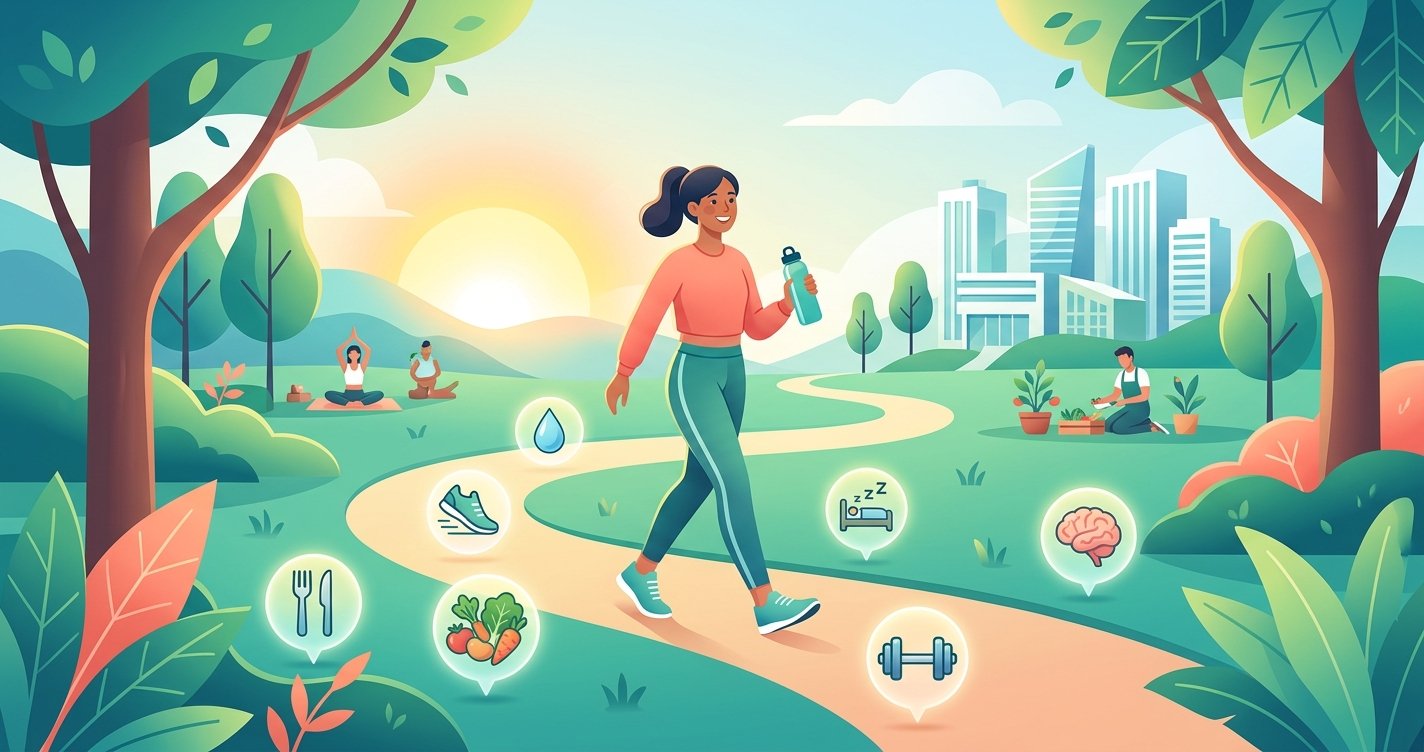
Beyond Crash Diets: Your Guide to Sustainable Fat Loss Habits for a Healthier You
Are you tired of the endless cycle of restrictive diets, quick-fix promises, and the disheartening rebound effect? You're not alone. Many of us have been caught in the trap of chasing rapid fat loss, only to find it unsustainable and often detrimental to our long-term health and well-being. But what if there was a better way? A path that focuses not on deprivation, but on building healthy, enjoyable habits that lead to lasting fat loss and a truly healthier, happier you.
Welcome to the world of sustainable fat loss – a journey rooted in understanding your body, nourishing it wisely, and moving it joyfully. It’s about making gradual, impactful changes that fit seamlessly into your life, rather than overhauling everything overnight. This approach is evidence-based, friendly, and most importantly, it works for the long haul. this excellent wellness product
The Problem with Quick Fixes and the Power of Habits
In our fast-paced world, the allure of instant gratification extends to our health goals. "Lose 10 pounds in a week!" shout the headlines, promising a miracle. While some extreme diets might deliver initial weight loss, they often do so by depleting water and muscle mass, not just fat. More critically, they’re incredibly difficult to maintain. Once you return to your normal routine, the weight often comes back, sometimes with extra interest, leaving you feeling defeated and frustrated.
This is where habits come in. Habits are the small, often unconscious actions we perform daily. They dictate a huge portion of our lives, from brushing our teeth to how we respond to stress. When it comes to fat loss and health, cultivating positive habits is far more powerful than any diet plan. Habits create consistency, and consistency, over time, yields incredible results that stick.
Understanding Sustainable Fat Loss: More Than Just the Scale
Sustainable fat loss isn't just about seeing a lower number on the scale. It's about reducing your body fat percentage while preserving or even building lean muscle mass. This distinction is crucial because muscle is metabolically active, meaning it burns more calories at rest than fat does. True sustainable fat loss also encompasses:
- Improved Energy Levels: Feeling vibrant and ready to tackle your day.
- Better Mood and Mental Clarity: A balanced body often leads to a balanced mind.
- Enhanced Physical Performance: Moving with ease and strength.
- Reduced Risk of Chronic Diseases: A healthier body composition significantly lowers health risks.
- A Positive Relationship with Food: Viewing food as fuel and enjoyment, not the enemy.
It's a holistic transformation that impacts every facet of your life.
Nutrition: Fueling Your Body Smartly, Not Starving It
Forget restrictive meal plans. Sustainable nutrition is about making informed choices that satisfy your hunger, provide essential nutrients, and support your energy levels. It’s not about eating less; it’s about eating better.
Mindful Eating and Portion Control
One of the most powerful changes you can make is to become a more mindful eater. This means paying attention to your body's hunger and fullness cues, savoring your food, and eliminating distractions during meals. Practicing portion control doesn't mean tiny servings, but rather understanding appropriate serving sizes for your body's needs. Use smaller plates, measure out certain items initially, and listen to your body when it tells you it's satisfied.
Prioritizing Protein and Fiber
These two nutrients are your best friends for fat loss. Protein is essential for building and repairing muscle, and it's incredibly satiating, helping you feel full for longer. Aim for a good source of protein at every meal (lean meats, fish, eggs, dairy, legumes, tofu). Fiber, found in fruits, vegetables, whole grains, and legumes, also promotes fullness, aids digestion, and helps regulate blood sugar levels, preventing those energy crashes and cravings.
Hydration: The Unsung Hero
Often overlooked, adequate water intake is vital. Water plays a role in metabolism, helps transport nutrients, and can even help manage hunger (sometimes we mistake thirst for hunger). Aim for at least 8 glasses (around 2 liters) of water daily, and more if you're active.
Movement: Finding Joy in Being Active
Exercise isn't just about burning calories; it's about building strength, improving cardiovascular health, boosting your mood, and fostering a love for what your body can do. The key is finding activities you genuinely enjoy, making them easier to stick with.
The Power of Strength Training
If there's one type of exercise to prioritize for fat loss, it's strength training. Lifting weights (or using your body weight) builds muscle, which in turn boosts your resting metabolism. The more muscle you have, the more calories your body burns, even when you're just sitting around. Aim for 2-3 full-body strength training sessions per week.
Cardio for Heart Health and Calorie Burn
Cardiovascular exercise, like brisk walking, jogging, cycling, or swimming, is excellent for heart health, endurance, and burning calories. It also helps with recovery and can be a great stress reliever. Aim for at least 150 minutes of moderate-intensity cardio or 75 minutes of vigorous-intensity cardio per week.
Incorporating NEAT (Non-Exercise Activity Thermogenesis)
Don't underestimate the power of everyday movement! NEAT includes all the calories you burn from activities that aren't formal exercise – walking, standing, fidgeting, taking the stairs, cleaning. Look for opportunities to move more throughout your day: park further away, take walking breaks, stand at your desk. These small movements add up significantly over time.
The Often Overlooked Pillars: Sleep and Stress Management
You can eat perfectly and exercise diligently, but if you neglect sleep and stress, your fat loss efforts will be severely hampered. These two factors profoundly impact your hormones, which in turn dictate how your body stores and uses fat.
Why Sleep Matters for Fat Loss
When you don't get enough sleep, two crucial hunger hormones go awry: ghrelin (which stimulates appetite) increases, and leptin (which signals fullness) decreases. This leads to increased cravings, especially for high-carb, sugary foods, and makes you feel hungrier. Aim for 7-9 hours of quality sleep per night. Establish a consistent sleep schedule, create a relaxing bedtime routine, and optimize your sleep environment.
Taming Stress for a Leaner You
Chronic stress triggers the release of cortisol, the "stress hormone." Elevated cortisol levels can lead to increased appetite, cravings for comfort foods, and a tendency for your body to store fat, particularly around the abdominal area. Finding healthy ways to manage stress – whether through meditation, yoga, spending time in nature, hobbies, or connecting with loved ones – is not a luxury; it's a necessity for sustainable fat loss and overall well-being.
Building Your Habit Toolkit: Small Changes, Big Results
The beauty of sustainable fat loss lies in its simplicity and adaptability. It’s not about perfection, but about progress.
Start Small, Be Consistent
Don't try to change everything at once. Pick one or two habits to focus on each month. For example, start by adding a serving of vegetables to every meal, or commit to a 20-minute walk daily. Once that habit feels ingrained, add another. Consistency is far more important than intensity.
Track Your Progress
While the scale isn't the only measure, tracking your food intake (even for a few days to build awareness), exercise, sleep, and even mood can provide invaluable insights. This isn't about judgment, but about understanding what works for your body and where you can make adjustments. Use a journal, a fitness tracker, or an app.
Be Patient and Kind to Yourself
Sustainable fat loss is a marathon, not a sprint. There will be days when you slip up, when motivation wanes, or when the scale doesn't move. This is normal. Instead of giving up, acknowledge the setback, learn from it, and gently guide yourself back on track. Celebrate your small victories, focus on how you feel, and remember that this journey is about becoming a healthier, stronger, and happier version of yourself.
Conclusion: Your Journey to a Healthier, Happier You
Embracing sustainable fat loss habits is a powerful act of self-care. It’s a shift from a mindset of restriction and punishment to one of nourishment and empowerment. By focusing on mindful eating, joyful movement, quality sleep, and effective stress management, you're not just losing fat; you're building a foundation for lifelong health and vitality.
Remember, your journey is unique. Listen to your body, be patient with yourself, and celebrate every step of progress. You have the power to create lasting change, and with these sustainable habits, you’re well on your way to not just reaching your fat loss goals, but maintaining them for good. Here's to a healthier, happier, and more vibrant you!