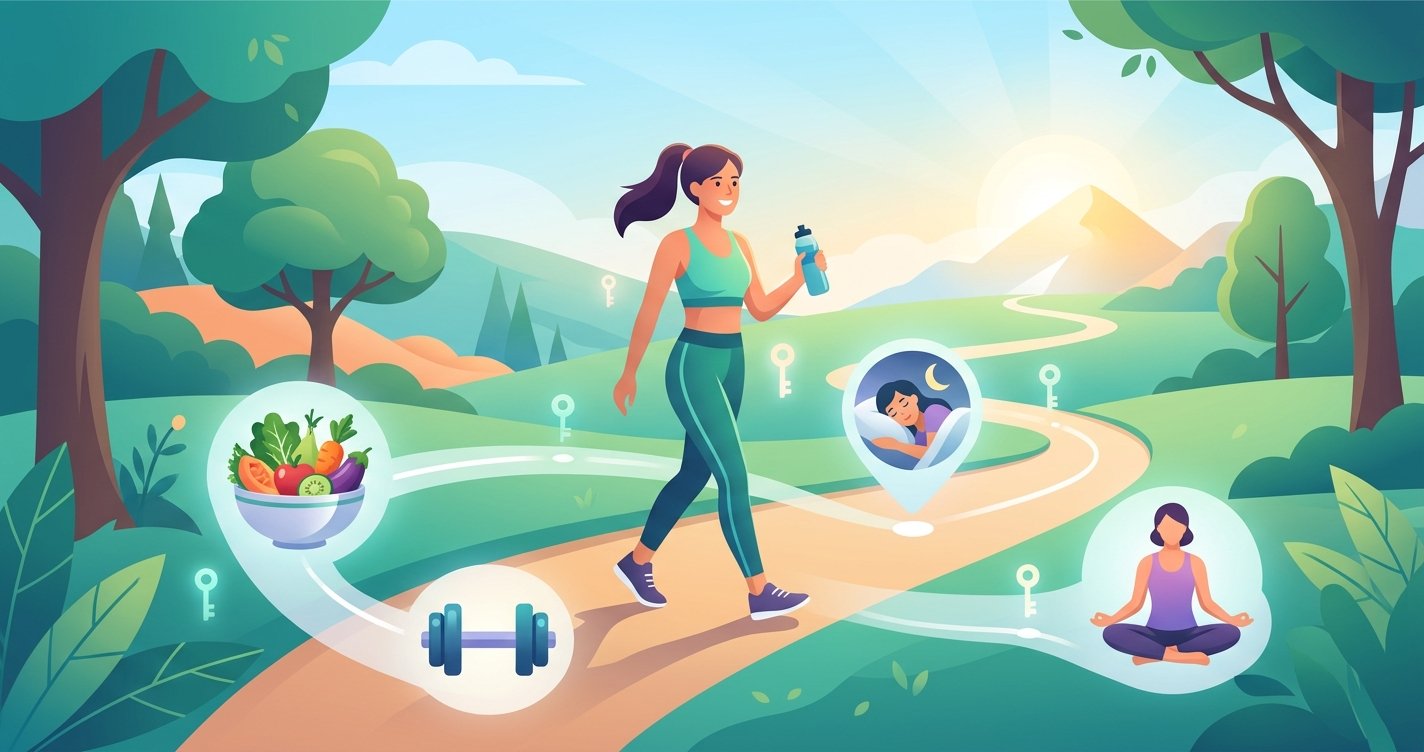
Are you tired of the endless cycle of crash diets, rapid weight loss, and then, inevitably, regaining all the weight (and sometimes more)? You’re not alone. In a world obsessed with instant gratification, the concept of “quick fix” fat loss is everywhere. But here's a truth bomb: true, lasting fat loss isn't about deprivation or extreme measures; it's about building sustainable habits that nurture your body and mind. It's about playing the long game, not just winning a sprint.
This guide is designed to empower you with an evidence-based, friendly, and encouraging approach to achieving your fat loss goals – and keeping them off for good. We'll ditch the fads and focus on practical, actionable strategies that fit into your real life, promoting not just a leaner physique, but a healthier, happier you. this excellent wellness product
Why Quick Fixes Fail: The Vicious Cycle
Before we dive into what works, let's understand why the tempting allure of rapid weight loss often leads to disappointment and frustration.
The Lure of Instant Gratification
We live in a fast-paced world, and the idea of shedding pounds in days or weeks is incredibly appealing. Companies capitalize on this desire, selling detox teas, extreme meal plans, and miracle pills. While you might see initial drops on the scale (often water weight), these methods are rarely sustainable and can be detrimental to your health.
The Metabolic Rebound
When you severely restrict calories, your body goes into “survival mode.” Your metabolism slows down to conserve energy, making it harder to lose fat. Once you return to normal eating patterns, your slowed metabolism, combined with increased hunger hormones, makes weight regain almost inevitable. This is often referred to as “yo-yo dieting” and can make future fat loss even more challenging.
The Psychological Toll
Beyond the physical, quick fixes wreak havoc on your mental well-being. Constant hunger, restrictive rules, and the inevitable failure to maintain extreme diets lead to feelings of guilt, shame, and a damaged relationship with food. This emotional rollercoaster makes it incredibly difficult to stay motivated and consistent.
The Pillars of Sustainable Fat Loss: A Holistic Approach
Sustainable fat loss isn't just about what you eat or how much you exercise. It's a holistic endeavor that encompasses nutrition, movement, sleep, stress management, and mindset. Let's explore these interconnected pillars.
Pillar 1: Nutrition – Fueling Your Body, Not Depriving It
This isn't about dieting; it's about intelligent eating. A modest, consistent caloric deficit is essential for fat loss, but it should be achieved through nutrient-dense foods, not starvation.
- Prioritize Protein: Protein is king for fat loss. It helps you feel fuller for longer, reduces cravings, and is crucial for preserving muscle mass during a caloric deficit. Aim for 0.7-1 gram of protein per pound of your target body weight. Think lean meats, poultry, fish, eggs, dairy, legumes, and tofu.
- Embrace Fiber-Rich Foods: Found in fruits, vegetables, whole grains, and legumes, fiber adds bulk to your meals, promoting satiety and aiding digestion. It's a fat loss superpower!
- Choose Whole Foods: Focus on unprocessed or minimally processed foods. These provide essential vitamins, minerals, and antioxidants, keeping your body functioning optimally and reducing the temptation of empty calories.
- Mindful Eating: Pay attention to your body's hunger and fullness cues. Eat slowly, savor your food, and avoid distractions. This helps you recognize when you're satisfied, preventing overeating.
Pillar 2: Movement – Find Your Joy, Not Just a Chore
Exercise isn't just about burning calories; it's about building strength, improving cardiovascular health, boosting mood, and shaping your body.
- Strength Training is Non-Negotiable: Lifting weights (or using your body weight) is incredibly effective for fat loss. Muscle is metabolically active, meaning it burns more calories at rest than fat. Building and maintaining muscle helps elevate your metabolism, making fat loss easier in the long run. Aim for 2-4 sessions per week.
- Incorporate Cardio: While not the sole solution, cardio contributes to calorie expenditure and cardiovascular health. Find activities you enjoy – walking, jogging, cycling, swimming, dancing. Aim for 150-300 minutes of moderate-intensity cardio per week.
- Increase NEAT (Non-Exercise Activity Thermogenesis): This refers to the calories you burn from daily activities outside of structured exercise. Take the stairs, walk more, stand while working, fidget! These small movements add up significantly.
Pillar 3: Sleep & Stress Management – The Unsung Heroes
Often overlooked, adequate sleep and stress reduction are fundamental to successful fat loss.
- The Sleep-Hormone Connection: Lack of sleep disrupts hunger-regulating hormones. Ghrelin (the hunger hormone) increases, while leptin (the satiety hormone) decreases, leading to increased cravings, especially for high-calorie, sugary foods. Aim for 7-9 hours of quality sleep per night.
- Stress and Cortisol: Chronic stress elevates cortisol levels, a hormone linked to increased appetite, fat storage (particularly around the belly), and impaired metabolism. Find healthy ways to manage stress, such as meditation, yoga, spending time in nature, or hobbies.
Pillar 4: Mindset & Consistency – The Long Game
Your mental approach is perhaps the most critical component of sustainable fat loss.
- Patience and Persistence: Fat loss is not linear. There will be plateaus and setbacks. Understand that progress takes time. Celebrate small victories and learn from challenges.
- Focus on Small, Sustainable Changes: Instead of overhauling everything at once, pick one or two habits to focus on each week. Once they become second nature, add another. This gradual approach is far more effective than trying to do too much too soon.
- Self-Compassion and Flexibility: Perfection is the enemy of progress. If you slip up, don't throw in the towel. Acknowledge it, learn from it, and get back on track. Develop a flexible approach that allows for real-life events.
- Track Progress Beyond the Scale: While the scale can be a tool, it doesn't tell the whole story. Monitor non-scale victories: how your clothes fit, energy levels, strength gains, mood improvements, and body measurements.
Building Your Sustainable Fat Loss Plan: Actionable Steps
Ready to put these pillars into practice? Here's how to start building your personalized, sustainable plan:
- Start Small: Pick one nutrition habit (e.g., add protein to every meal) and one movement habit (e.g., walk 30 minutes daily) to focus on for the next two weeks.
- Prioritize Protein & Produce: Make protein and vegetables the stars of your plate at every meal. This ensures satiety and nutrient density.
- Move Your Body Daily: Find ways to incorporate movement you enjoy. Even short bursts of activity add up.
- Optimize Your Sleep Environment: Create a dark, cool, quiet bedroom. Establish a relaxing pre-sleep routine.
- Practice Self-Awareness: Keep a journal to note how different foods make you feel, your energy levels, and your mood. This helps you identify patterns and make informed choices.
Dispelling Common Myths About Fat Loss
Let's debunk some persistent myths that often hinder sustainable progress:
- Myth 1: Carbs are the Enemy. While excessive refined carbs can hinder fat loss, complex carbohydrates (whole grains, fruits, vegetables) are vital for energy, fiber, and micronutrients. The key is balance and choosing the right types.
- Myth 2: You Need to Eat Like a Bird. Extreme calorie restriction backfires. A moderate deficit allows you to eat satisfying, nutritious meals while still losing fat sustainably.
- Myth 3: Spot Reduction is Possible. You cannot choose where your body loses fat. Fat loss occurs systemically throughout your body. Targeted exercises build muscle, but they don't “burn” fat from that specific area.
Embrace the Journey to Lasting Change
Sustainable fat loss isn't a race; it's a marathon. It’s about cultivating a healthier relationship with your body, food, and exercise. It's about making small, consistent choices that compound over time, leading to profound and lasting results. You have the power to break free from the cycle of quick fixes and embark on a journey that prioritizes your well-being above all else.
Be patient with yourself, celebrate every step forward, and remember that consistency, not perfection, is the key. Your body will thank you, and you'll build a foundation for health that lasts a lifetime. Start today, one sustainable habit at a time!