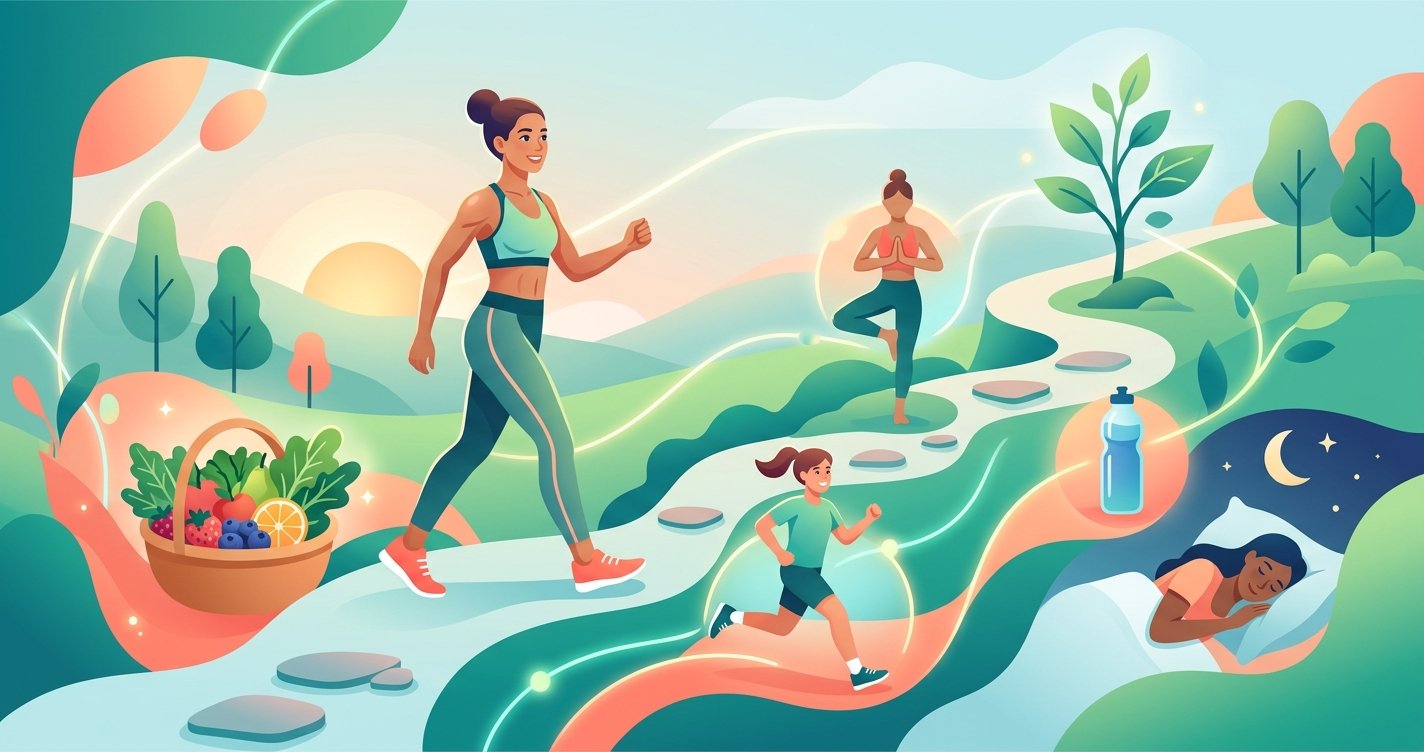
Are you tired of the endless cycle of crash diets, restrictive eating, and the frustrating rebound weight gain? You're not alone. Millions of people embark on strict weight loss journeys only to find themselves back where they started, often feeling more discouraged than before. The truth is, genuine, sustainable fat loss isn't about deprivation; it's about building lasting habits that nourish your body and mind. This isn't just about fitting into an old pair of jeans; it's about cultivating a healthier, more energetic, and more confident you for the long run. Let's explore an evidence-based approach to achieving your goals without the misery of extreme dieting.
Why Crash Diets Fail: The Science of Metabolic Rebellion
The allure of rapid weight loss can be incredibly strong, leading many to embrace extremely low-calorie diets. While these diets might show quick results on the scale initially, they often set you up for failure. Our bodies are incredibly intelligent and designed for survival. When faced with severe calorie restriction, your metabolism adapts by slowing down to conserve energy. This is known as metabolic adaptation. Furthermore, crash diets often lead to significant muscle loss, which is counterproductive since muscle tissue burns more calories at rest than fat tissue. When you inevitably return to a more normal eating pattern, your slowed metabolism and reduced muscle mass make it easier to regain the lost weight, and often more, leading to the dreaded yo-yo dieting effect. This cycle is not a moral failing on your part; it's a biological response to an unsustainable approach. this excellent wellness product
Reframe Your Relationship with Food: Mindset Shifts for Success
Before we talk about what to eat, let's talk about how you think about eating. Shifting your mindset from one of restriction and punishment to one of nourishment and self-care is foundational for sustainable fat loss. Instead of viewing food as the enemy, see it as fuel that powers your body and brings you joy.
Mindful Eating: Savoring Your Way to Satisfaction
- Pay attention to hunger and fullness cues: Eat when you're physically hungry, and stop when you're comfortably full, not stuffed.
- Slow down: Put your fork down between bites, chew thoroughly, and truly taste your food. This allows your brain time to register fullness.
- Minimize distractions: Turn off the TV, put away your phone, and focus on the experience of eating.
Mindful eating helps you build a healthier relationship with food, reducing emotional eating and increasing satisfaction from meals.
Fueling Your Body Right: Sustainable Nutrition Strategies
Forget rigid meal plans. Sustainable nutrition is about making smart, consistent choices that you can stick with for life. Focus on whole, unprocessed foods that provide sustained energy and essential nutrients.
Prioritize Protein: The Building Block of Fat Loss
Protein is your best friend when it comes to fat loss. It's highly satiating, meaning it keeps you feeling full for longer, reducing overall calorie intake. It also has a higher thermic effect of food (TEF), meaning your body burns more calories digesting it. Furthermore, adequate protein intake helps preserve muscle mass during a calorie deficit. Aim for a lean protein source at every meal: chicken, fish, lean beef, eggs, Greek yogurt, tofu, or legumes.
Embrace Fiber: Fullness and Gut Health
Fiber-rich foods like vegetables, fruits, whole grains, and legumes are essential. Fiber adds bulk to your meals, promoting satiety and aiding digestion. It also supports a healthy gut microbiome, which emerging research suggests plays a role in weight management and overall health.
Smart Carb and Fat Choices
Carbohydrates provide energy, and healthy fats are crucial for hormone production and nutrient absorption. Don't eliminate them! Instead, opt for complex carbohydrates like oats, quinoa, brown rice, and sweet potatoes, which provide sustained energy. Choose healthy fats from sources like avocados, nuts, seeds, and olive oil in moderation.
Move with Purpose: The Power of Consistent Activity
Exercise isn't just about burning calories; it's about building a stronger, healthier, and more metabolically active body. Consistency trumps intensity when it comes to long-term results.
Strength Training: Your Metabolic Supercharger
If there's one exercise recommendation for sustainable fat loss, it's strength training. Building muscle not only sculpts your physique but also significantly boosts your resting metabolism. More muscle means you burn more calories even when you're not exercising. Aim for 2-3 full-body strength training sessions per week, focusing on compound movements like squats, deadlifts, presses, and rows.
Beyond the Gym: Incorporating NEAT
Non-Exercise Activity Thermogenesis (NEAT) refers to the calories you burn through everyday activities outside of structured exercise. Think walking, gardening, taking the stairs, or fidgeting. Increasing your NEAT throughout the day can significantly contribute to your overall calorie expenditure. Look for opportunities to move more!
Holistic Health: Sleep, Stress, and Hydration for Optimal Results
Fat loss isn't just about food and exercise; it's deeply intertwined with your overall lifestyle. Neglecting these crucial factors can sabotage even the best nutrition and workout plans.
The Unsung Hero: Quality Sleep
Lack of sleep wreaks havoc on your hormones, specifically ghrelin (the hunger hormone) and leptin (the satiety hormone). Insufficient sleep can increase ghrelin, making you feel hungrier, and decrease leptin, making it harder to feel full. Aim for 7-9 hours of quality sleep per night to support optimal metabolic function and reduce cravings.
Taming Stress: Cortisol and Cravings
Chronic stress elevates cortisol levels, a hormone that can promote fat storage, particularly around the abdominal area. Stress can also lead to emotional eating and poor food choices. Incorporate stress-reducing practices into your daily routine: meditation, yoga, deep breathing, spending time in nature, or hobbies you enjoy.
Hydration: Simple Yet Powerful
Drinking enough water is fundamental. Water plays a role in nearly every bodily function, including metabolism. Sometimes, what we perceive as hunger is actually thirst. Aim for at least 8 glasses of water a day, and more if you're active or in a warm climate. Water can also help you feel fuller before meals, potentially reducing calorie intake.
Patience and Consistency: The True Pillars of Lasting Change
Sustainable fat loss is a journey, not a race. There will be good days and challenging days. The key is consistency over perfection. Don't get discouraged by minor setbacks; simply get back on track with your healthy habits. Celebrate small victories and focus on the progress you're making, not just the number on the scale. Remember, building lasting habits takes time, but the rewards—a healthier body, increased energy, and improved well-being—are absolutely worth it.
By focusing on these sustainable habits – a mindful approach to eating, prioritizing protein and fiber, incorporating strength training, optimizing sleep, managing stress, and staying hydrated – you can break free from the diet cycle and achieve genuine, long-term fat loss that enhances your entire life. Start small, be consistent, and trust the process. Your healthier, happier self awaits!