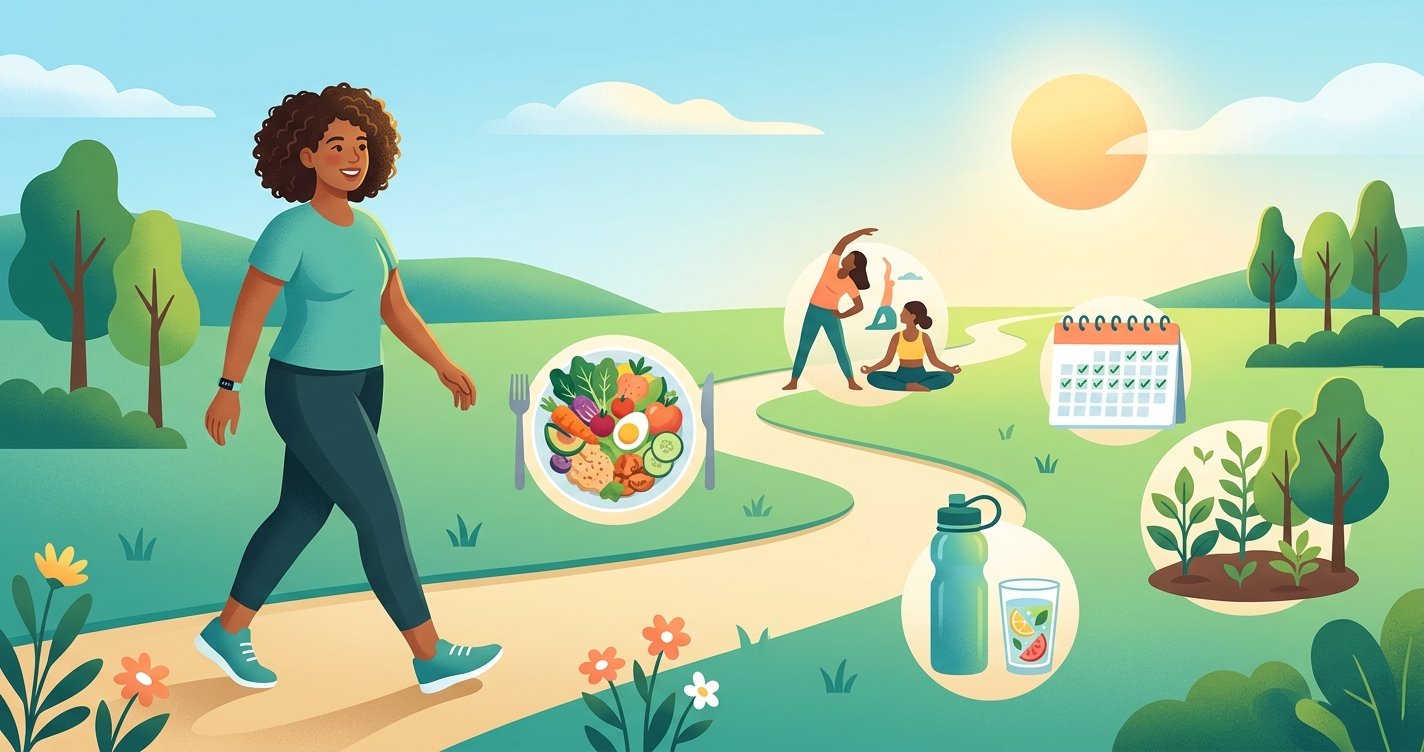
Are you tired of the endless cycle of crash diets, restrictive eating, and the frustrating rebound effect? You're not alone. Many people embark on a fat loss journey with immense motivation, only to find themselves back where they started, often feeling worse than before. The good news? Sustainable fat loss isn't just a myth. It's an achievable reality when you shift your focus from quick fixes to building lasting, healthy habits.
This isn't about deprivation or extreme measures. It's about understanding your body, making informed choices, and fostering a lifestyle that supports your goals long-term. Let's dive into an evidence-based, friendly, and encouraging approach to losing fat and keeping it off, for good! this excellent wellness product
Why Quick Fixes Fail: Understanding the Yo-Yo Cycle
The allure of rapid weight loss is strong. "Lose 10 pounds in a week!" shout headlines, promising instant transformations. While these methods might yield initial results, they often do so by drastically cutting calories, eliminating entire food groups, or relying on unsustainable practices. The problem? Your body is smart.
When you severely restrict calories, your metabolism can slow down as a protective mechanism. Your body perceives a famine and tries to conserve energy. This is known as metabolic adaptation. Furthermore, extreme diets are psychologically draining, leading to intense cravings and eventual burnout. Once you return to normal eating patterns, your body, still in 'famine recovery' mode, is more efficient at storing fat, leading to the dreaded yo-yo effect. It’s a vicious cycle that leaves many feeling defeated and hopeless.
The Foundation: Calorie Awareness, Not Calorie Restriction
At its core, fat loss comes down to a calorie deficit: consistently consuming fewer calories than your body burns. However, this doesn't mean starvation! It means being aware of your energy intake and making smarter choices.
Instead of drastic cuts, aim for a moderate, sustainable deficit of 300-500 calories per day. This allows your body to adapt gradually without triggering severe metabolic slowdowns or intense hunger. The quality of your calories matters just as much as the quantity.
Smart Nutrition Choices for Fat Loss:
- Prioritize Protein: Protein is incredibly satiating, meaning it helps you feel fuller for longer, reducing overall calorie intake. It also has a higher thermic effect (your body burns more calories digesting it) and helps preserve muscle mass during a deficit. Aim for a lean protein source at every meal (chicken, fish, eggs, tofu, lentils).
- Embrace Fiber-Rich Foods: Found in fruits, vegetables, whole grains, and legumes, fiber adds bulk to your meals, promoting satiety and aiding digestion. These foods are generally low in calories and packed with essential nutrients.
- Don't Fear Healthy Fats: While calorie-dense, healthy fats (avocado, nuts, seeds, olive oil) are crucial for hormone production, nutrient absorption, and satiety. Consume them in moderation.
- Hydrate, Hydrate, Hydrate: Often overlooked, adequate water intake can help with satiety, boost metabolism, and support overall bodily functions. Sometimes, thirst is mistaken for hunger!
Focus on whole, unprocessed foods. They provide more nutrients and fiber, and are generally less calorie-dense than their processed counterparts. Think about adding nutrient-rich foods rather than just eliminating 'bad' ones.
Fueling Your Metabolism: The Power of Strength Training
When most people think of fat loss, they envision endless hours on the treadmill. While cardio has its place, strength training is your secret weapon for sustainable fat loss. Muscle tissue is metabolically active, meaning it burns more calories at rest than fat tissue. The more muscle you have, the higher your resting metabolic rate (RMR) will be.
Benefits of Strength Training for Fat Loss:
- Boosts Metabolism: Builds muscle, increasing your RMR.
- EPOC Effect: Strength training causes an "afterburn" effect (Excess Post-exercise Oxygen Consumption), where your body continues to burn calories at an elevated rate for hours after your workout.
- Body Composition: Improves your body shape by building lean muscle and reducing fat, even if the scale doesn't drastically change.
- Bone Density & Overall Health: Beyond fat loss, it strengthens bones, improves functional fitness, and enhances overall well-being.
Aim for 2-4 strength training sessions per week, targeting all major muscle groups. You can use bodyweight, resistance bands, dumbbells, or gym machines. Consistency is key!
Beyond the Gym: Lifestyle Factors for Lasting Fat Loss
Fat loss isn't just about what you eat and how you move. Your lifestyle plays a massive role in your success.
The Crucial Role of Sleep
In our fast-paced world, sleep is often the first thing to be sacrificed. However, poor sleep can wreak havoc on your fat loss efforts. Lack of sleep disrupts hunger hormones: it increases ghrelin (the hunger hormone) and decreases leptin (the satiety hormone). This can lead to increased cravings, especially for high-carb, high-sugar foods, and make you feel hungrier throughout the day. Aim for 7-9 hours of quality sleep per night.
Stress Management: Taming the Cortisol Beast
Chronic stress elevates cortisol, often called the 'stress hormone.' High cortisol levels can promote fat storage, particularly around the abdominal area, and increase appetite. Furthermore, stress can lead to emotional eating as a coping mechanism. Incorporate stress-reducing activities into your daily routine: meditation, yoga, deep breathing, spending time in nature, or hobbies you enjoy.
Hydration: Simple Yet Powerful
We touched on it briefly, but it deserves its own mention. Drinking enough water supports your metabolism, helps transport nutrients, and can significantly impact satiety. Often, what feels like hunger is actually mild dehydration. Make water your primary beverage choice throughout the day.
The Mindset Shift: Patience, Consistency, and Self-Compassion
Sustainable fat loss is a marathon, not a sprint. There will be good days and challenging days. The scale might fluctuate, and progress won't always be linear. This is where mindset becomes paramount.
Patience: Understand that true, lasting change takes time. Celebrate small victories and focus on the habits you're building, not just the number on the scale. A healthy rate of fat loss is typically 1-2 pounds per week.
Consistency: Small, consistent efforts compound over time. It's better to be 80% consistent 100% of the time than 100% strict 20% of the time. Don't let one 'off' meal or day derail your entire journey.
Self-Compassion: Be kind to yourself. If you slip up, don't spiral into guilt or self-punishment. Acknowledge it, learn from it, and get back on track with your next meal or workout. This journey is about progress, not perfection.
Putting It All Together: Your Sustainable Fat Loss Action Plan
Ready to ditch the quick fixes and embrace lasting change? Here's a simple action plan to get you started:
- Start Small: Don't overhaul everything at once. Pick one or two habits to focus on each week (e.g., add protein to breakfast, drink 8 glasses of water, do one strength workout).
- Track Progress (Beyond the Scale): Monitor how your clothes fit, energy levels, mood, strength gains, and measurements. The scale is just one data point.
- Plan Ahead: Meal prepping or planning your meals for the week can significantly reduce stress and improve food choices.
- Move Your Body Daily: Incorporate both strength training and joyful movement (walking, dancing, cycling) into your routine.
- Prioritize Sleep: Establish a consistent sleep schedule and create a relaxing bedtime routine.
- Find Your Support System: Share your goals with a trusted friend, family member, or join a supportive community.
Sustainable fat loss is not about a temporary diet; it's about a permanent lifestyle shift. By focusing on nourishing your body, moving intentionally, prioritizing rest, and cultivating a positive mindset, you're not just losing fat – you're building a healthier, happier you for the long run. Embrace the journey, trust the process, and celebrate every step of your progress. Your future self will thank you!