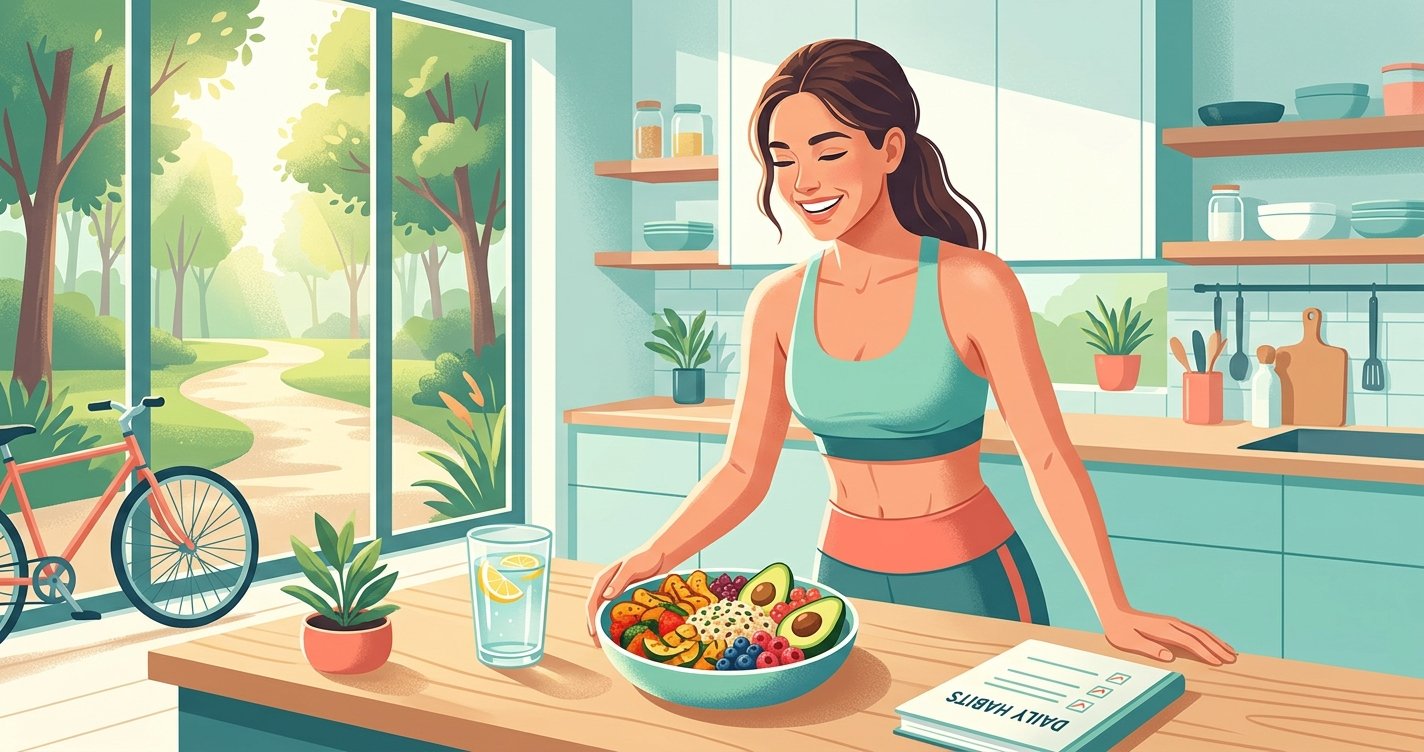
Are you tired of the endless cycle of crash diets, rapid weight loss, and inevitable rebound? You're not alone. Many people embark on a fat loss journey with the best intentions, only to find themselves frustrated and demotivated when those quick fixes don't stick. The truth is, sustainable fat loss isn't about deprivation or extreme measures; it's about building healthy habits that integrate seamlessly into your life, fostering long-term results and a healthier you.
This post will guide you through an evidence-based, friendly, and encouraging approach to achieving lasting fat loss. We'll explore why traditional diets often fail, uncover the core principles for success, and provide actionable strategies for nutrition, exercise, and mindset shifts that will empower you to reach your goals without sacrificing your well-being. this excellent wellness product
Why Crash Diets Fail (And What to Do Instead)
The allure of losing 10 pounds in a week is powerful, but these rapid approaches rarely deliver lasting results. Here's why:
The Metabolism Rollercoaster
When you drastically cut calories, your body perceives it as a famine. In response, your metabolism slows down to conserve energy, making it harder to lose fat. Once you return to normal eating, your body, still in 'famine recovery' mode, is highly efficient at storing fat, leading to the dreaded 'yo-yo effect'.
Psychological Toll
Extreme diets often lead to feelings of deprivation, irritability, and obsession with food. This mental strain is unsustainable and can trigger emotional eating or bingeing, undermining any progress made and fostering a negative relationship with food.
What to Do Instead: Focus on Gradual, Sustainable Changes
Instead of a metabolic shock, aim for small, consistent adjustments. Your body adapts better to gradual changes, allowing your metabolism to adjust without crashing. This approach also prevents the psychological burnout associated with overly restrictive plans.
The Core Principle: A Gentle Calorie Deficit
At its heart, fat loss comes down to one fundamental principle: consuming fewer calories than your body burns. This is known as a calorie deficit. However, the key word here is 'gentle'.
Understanding Energy Balance
Your body needs a certain amount of energy (calories) to function daily. This is your Total Daily Energy Expenditure (TDEE). To lose fat, you need to eat slightly below your TDEE. A common recommendation is a deficit of 300-500 calories per day, which typically results in a healthy and sustainable fat loss of 1-2 pounds per week.
How to Create a Deficit (Without Deprivation)
- Be Mindful, Not Obsessive: You don't necessarily need to meticulously track every calorie forever. Start by understanding portion sizes and the caloric density of common foods.
- Prioritize Nutrient-Dense Foods: Foods rich in fiber and protein keep you feeling fuller for longer on fewer calories (e.g., vegetables, lean meats, legumes).
- Cut Liquid Calories: Sugary drinks, specialty coffees, and excessive alcohol can add hundreds of empty calories without providing satiety.
Fueling Your Body: Nutrition for Fat Loss
What you eat is just as important as how much you eat. Focus on whole, unprocessed foods that support your energy levels and satiety.
The Power of Protein
Protein is your secret weapon for fat loss. It's highly satiating, meaning it keeps you feeling full, reducing the likelihood of overeating. Moreover, your body expends more energy digesting protein compared to fats or carbohydrates (the thermic effect of food), and it's crucial for preserving muscle mass during a calorie deficit.
- Sources: Lean meats, poultry, fish, eggs, dairy, legumes, tofu, tempeh, protein powder.
- Goal: Aim for 0.7-1 gram of protein per pound of body weight (or per pound of your goal weight) daily, spread across your meals.
Smart Carb Choices
Carbohydrates are not the enemy! They provide essential energy. The key is choosing complex carbohydrates over refined ones.
- Good Carbs: Whole grains (oats, brown rice, quinoa), fruits, vegetables, sweet potatoes. These are rich in fiber, which aids digestion and promotes satiety.
- Limit: Sugary cereals, white bread, pastries, sugary drinks.
Healthy Fats Are Your Friends
Dietary fats are vital for hormone production, nutrient absorption, and satiety. Just be mindful of portion sizes, as fats are calorie-dense.
- Sources: Avocados, nuts, seeds, olive oil, fatty fish (salmon, mackerel).
- Goal: Aim for 20-30% of your daily calories from healthy fats.
Fiber: The Satiety Hero
Found in fruits, vegetables, and whole grains, fiber adds bulk to your meals, making you feel full without adding many calories. It also supports gut health, which is increasingly linked to weight management.
Move Your Body: Exercise for Sustainable Results
While nutrition is paramount for creating a calorie deficit, exercise plays a crucial role in enhancing fat loss, preserving muscle, and boosting overall health.
Strength Training: Your Metabolism Booster
Lifting weights isn't just for bodybuilders. Building and maintaining muscle mass is critical for fat loss because muscle tissue burns more calories at rest than fat tissue. This means a more muscular body has a higher resting metabolism, making it easier to maintain your fat loss long-term.
- Goal: 2-4 sessions per week, focusing on compound movements (squats, deadlifts, presses, rows).
Cardio: Heart Health and Calorie Burn
Cardiovascular exercise directly burns calories and improves heart health. It can be a great way to increase your calorie deficit and improve your fitness levels.
- Goal: 3-5 sessions of moderate-intensity cardio (brisk walking, jogging, cycling, swimming) per week, or shorter bursts of high-intensity interval training (HIIT).
NEAT: The Unsung Hero of Daily Movement
Non-Exercise Activity Thermogenesis (NEAT) refers to the calories burned through everyday activities that aren't formal exercise – walking, fidgeting, taking the stairs, cleaning. Increasing your NEAT can significantly contribute to your daily calorie expenditure.
- Tips: Take more steps, stand more often, park further away, take the stairs.
Beyond Food and Exercise: The Mindset Shift
Sustainable fat loss is as much about mental and emotional well-being as it is about diet and exercise.
Sleep: The Underrated Fat Loss Tool
Lack of sleep can disrupt hunger hormones (ghrelin and leptin), leading to increased cravings and a reduced ability to make healthy choices. Aim for 7-9 hours of quality sleep per night.
Stress Management: Cortisol's Role
Chronic stress elevates cortisol levels, which can promote fat storage, especially around the midsection. Find healthy ways to manage stress, such as meditation, yoga, spending time in nature, or hobbies you enjoy.
Consistency Over Perfection
You will have days where you overeat or miss a workout. That's okay! One slip-up doesn't derail your entire journey. The key is to get back on track with your next meal or workout, rather than letting it spiral into a period of unhealthy habits.
Self-Compassion and Patience
Fat loss is a journey, not a race. Be kind to yourself, celebrate small victories, and understand that progress isn't always linear. There will be plateaus, but persistence and patience will see you through.
Building Your Sustainable Fat Loss Blueprint (Actionable Steps)
Ready to start building lasting habits? Here's how to begin:
- Start Small: Don't try to change everything at once. Pick one or two habits to focus on first, like adding protein to every meal or taking a 30-minute walk daily.
- Track Progress (Not Just Weight): Monitor energy levels, sleep quality, strength gains, and how your clothes fit. The scale is just one metric.
- Plan Ahead: Meal prepping, grocery shopping with a list, and scheduling workouts can prevent impulsive, unhealthy choices.
- Stay Hydrated: Often, thirst is mistaken for hunger. Drink plenty of water throughout the day.
- Seek Support: Share your goals with friends, family, or a coach. Accountability can be a powerful motivator.
- Educate Yourself: Continuously learn about nutrition and exercise that aligns with your body and goals.
Embrace the Journey to a Healthier You
Sustainable fat loss is a marathon, not a sprint. It's about cultivating a healthier lifestyle, making informed choices, and fostering a positive relationship with your body. By focusing on gentle calorie deficits, prioritizing nutrient-dense foods, incorporating strength training and daily movement, and nurturing your mental well-being, you're not just losing fat; you're building a foundation for lifelong health and vitality. Be patient, be consistent, and most importantly, be kind to yourself. Your sustainable success awaits!