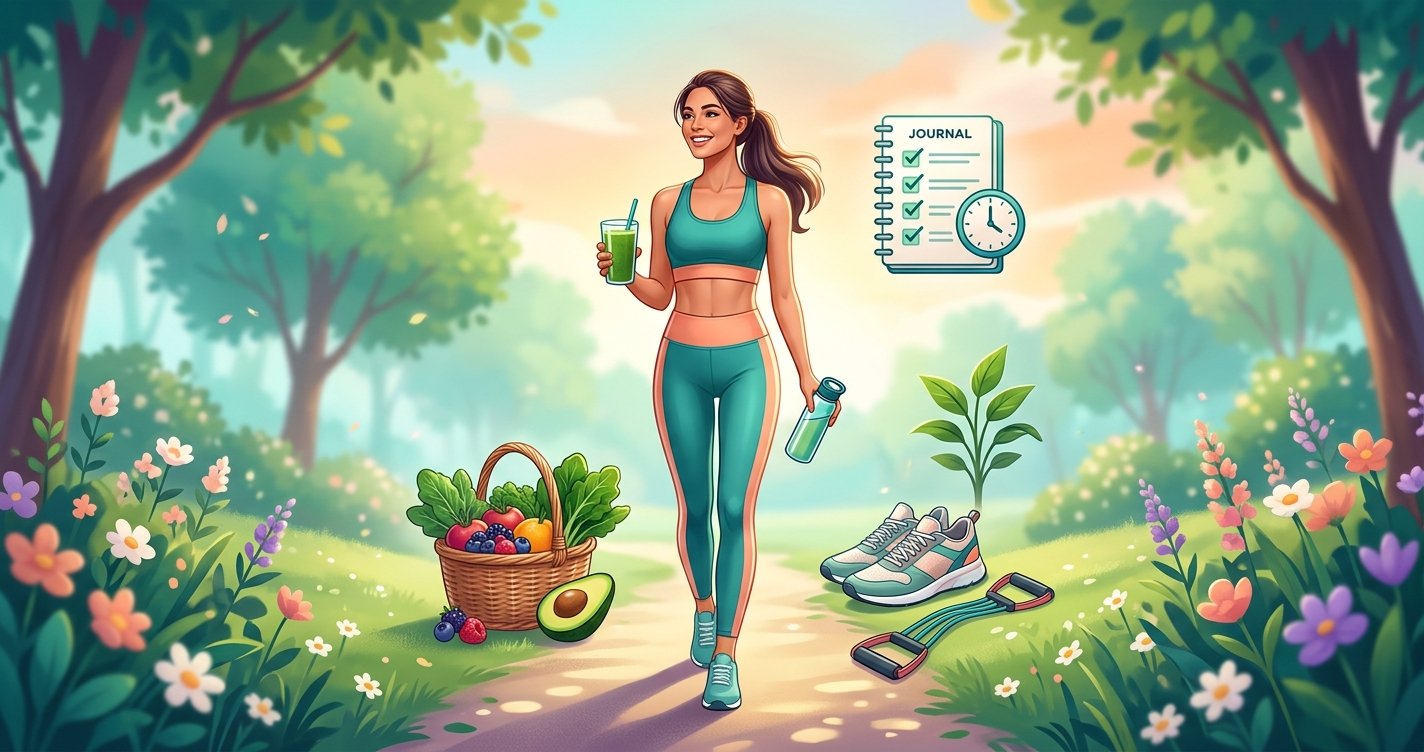
Are you tired of the never-ending cycle of crash diets, rapid weight loss, and then, inevitably, regaining all the weight (and sometimes more)? You’re not alone. In a world obsessed with quick fixes and dramatic transformations, it’s easy to fall into the trap of unsustainable fat loss methods. But what if there was a better way? A way to achieve lasting results, feel great, and actually enjoy the process?
The truth is, genuine and sustainable fat loss isn't about deprivation or extreme measures; it's about building healthy habits that integrate seamlessly into your life. It's about understanding your body, nourishing it properly, and moving it joyfully. This isn't a race; it's a journey towards a healthier, happier you. Let's explore how you can ditch the diet mentality and embrace a lifestyle that supports sustainable fat loss. this excellent wellness product
Why Crash Diets Fail (And What to Do Instead)
Crash diets promise quick results, but they rarely deliver long-term success. They often involve severe calorie restriction, cutting out entire food groups, and an overwhelming sense of deprivation. While the scale might move initially, this approach is a recipe for failure for several reasons:
The Metabolism Myth: Slowdown and Adaptation
When you drastically cut calories, your body, in its wisdom, perceives this as a famine. It slows down your metabolism to conserve energy, making it harder to lose weight and easier to regain it once you return to normal eating. This metabolic adaptation is a survival mechanism, not a flaw.
Psychological Burnout and Deprivation
Extreme diets are mentally and emotionally draining. The constant hunger, food cravings, and social isolation can lead to burnout. Eventually, willpower wanes, and you're likely to revert to old habits, often overeating as a reaction to prolonged restriction. This leads to the dreaded yo-yo effect, which can be more detrimental to your health and confidence than maintaining a stable, higher weight.
Instead of crashing: Focus on gradual, manageable changes. Aim for a moderate calorie deficit (e.g., 300-500 calories below maintenance) that allows your body to adapt without feeling starved. This approach is key for sustainable fat loss.
Nutrition: Fueling Your Body for Fat Loss, Not Starving It
Your relationship with food is central to sustainable fat loss. It's not about eating less; it's about eating better and smarter.
Prioritize Protein: The Satiety and Muscle Protector
Protein is your best friend when it comes to fat loss. It’s incredibly satiating, helping you feel fuller for longer and reducing overall calorie intake. Furthermore, it helps preserve muscle mass during a calorie deficit, which is crucial because muscle is metabolically active, meaning it burns more calories at rest than fat.
- Benefits of Protein:
- Increases satiety, reducing hunger and cravings.
- Helps preserve lean muscle mass during weight loss.
- Has a higher thermic effect (your body burns more calories digesting protein).
- Supports muscle repair and growth, especially when combined with strength training.
Aim for a good source of protein at every meal: lean meats, fish, eggs, dairy, legumes, and plant-based protein powders.
Embrace Whole Foods: Fiber, Nutrients, and Satisfaction
Swap highly processed foods for whole, unprocessed options. Fruits, vegetables, whole grains, and healthy fats are packed with fiber, vitamins, and minerals. Fiber adds bulk to your meals, promoting fullness and aiding digestion, while micronutrients support overall body function and energy levels.
Mindful Eating: Beyond Calorie Counting
While a general awareness of calorie intake can be helpful, obsessive counting can be counterproductive. Practice mindful eating: pay attention to your hunger and fullness cues, eat slowly, savor your food, and minimize distractions. This helps you develop a healthier relationship with food and prevents overeating.
Movement: Finding Joy in Being Active
Exercise isn't just about burning calories; it's about building strength, improving cardiovascular health, boosting mood, and enhancing overall vitality. Find activities you genuinely enjoy to ensure consistency.
Strength Training: Your Metabolic Powerhouse
If you're serious about sustainable fat loss, don't skip the weights! Strength training builds and maintains muscle mass, which directly impacts your resting metabolic rate. The more muscle you have, the more calories your body burns, even when you're just sitting still. It also helps sculpt your body and improve bone density.
- Benefits for Fat Loss:
- Increases resting metabolic rate.
- Improves body composition (more muscle, less fat).
- Enhances insulin sensitivity.
- Boosts confidence and functional strength.
Aim for 2-4 strength training sessions per week, targeting all major muscle groups.
Cardio: For Heart Health and Calorie Burn
Cardiovascular exercise, like brisk walking, jogging, cycling, or swimming, is excellent for heart health, endurance, and burning extra calories. The key is to find something you enjoy and can stick with. Don't underestimate the power of Non-Exercise Activity Thermogenesis (NEAT) – simply moving more throughout your day (taking the stairs, parking further away, standing desks) can make a significant difference.
Consistency Over Intensity
It’s better to be consistently active with moderate intensity than to hit the gym hard once a week and then do nothing. Small, regular movements add up over time. Find a routine that fits your schedule and energy levels.
The Mindset Shift: Your Secret Weapon for Sustainable Success
Your mental approach to fat loss is just as important as your diet and exercise plan. A positive, resilient mindset is crucial for long-term success.
Set Realistic Goals: Small Wins Lead to Big Changes
Instead of aiming to lose 20 pounds in a month, focus on smaller, achievable goals, like eating a healthy breakfast every day or walking 30 minutes three times a week. Each small victory builds momentum and confidence. Celebrate these non-scale victories!
Practice Self-Compassion: Bouncing Back from Setbacks
There will be days when you overeat, skip a workout, or feel discouraged. This is normal! Instead of self-criticism, practice self-compassion. Acknowledge the setback, learn from it, and get back on track the next day. Perfection is not the goal; consistent effort and resilience are.
Focus on Health, Not Just the Scale
While the scale can be a tool, it doesn't tell the whole story. Focus on how you feel: your energy levels, sleep quality, strength, mood, and clothes fit. These non-scale victories are powerful indicators of progress and sustainable health improvements that go beyond a number.
Sleep & Stress Management: Often Overlooked, Always Essential
These two factors play a far bigger role in fat loss than most people realize.
The Power of Quality Sleep
Lack of sleep disrupts hormones that regulate hunger and satiety. Ghrelin (the hunger hormone) increases, while leptin (the satiety hormone) decreases, making you feel hungrier and less satisfied. Poor sleep also increases cortisol, a stress hormone that can promote fat storage, especially around the belly.
Aim for 7-9 hours of quality sleep per night. Establish a consistent sleep schedule and create a relaxing bedtime routine.
Taming the Stress Monster
Chronic stress also elevates cortisol levels, which can lead to increased appetite, cravings for unhealthy foods, and stubborn fat accumulation. Find healthy ways to manage stress: meditation, yoga, spending time in nature, hobbies, or talking to a trusted friend or therapist.
Building Your Sustainable Fat Loss Toolkit: Actionable Steps
Ready to start building your lasting habits? Here are some practical steps:
- Start Small: Don't try to change everything at once. Pick one or two habits to focus on first, like adding protein to every meal or taking a 20-minute walk daily.
- Track Your Progress: Beyond the scale, consider taking photos, measuring body circumference, noting energy levels, and tracking workout performance.
- Seek Support: Share your goals with a supportive friend or family member, join a community, or consider working with a coach. Accountability can be a huge motivator.
- Hydrate Regularly: Drink plenty of water throughout the day. Sometimes thirst is mistaken for hunger.
- Meal Prep: Planning and preparing some meals ahead of time can save you from unhealthy impulse decisions when hunger strikes.
Your Journey to Lasting Change
Sustainable fat loss isn't a destination; it's a continuous journey of learning, adapting, and growing. It’s about cultivating a lifestyle that makes you feel vibrant, strong, and healthy, not just thin. By focusing on building consistent, positive habits around nutrition, movement, mindset, sleep, and stress management, you empower yourself to achieve not just fat loss, but a lifetime of well-being.
Ditch the guilt, abandon the deprivation, and embrace the power of sustainable change. Your body and mind will thank you for it. You have the power to create lasting change – start building those habits today!