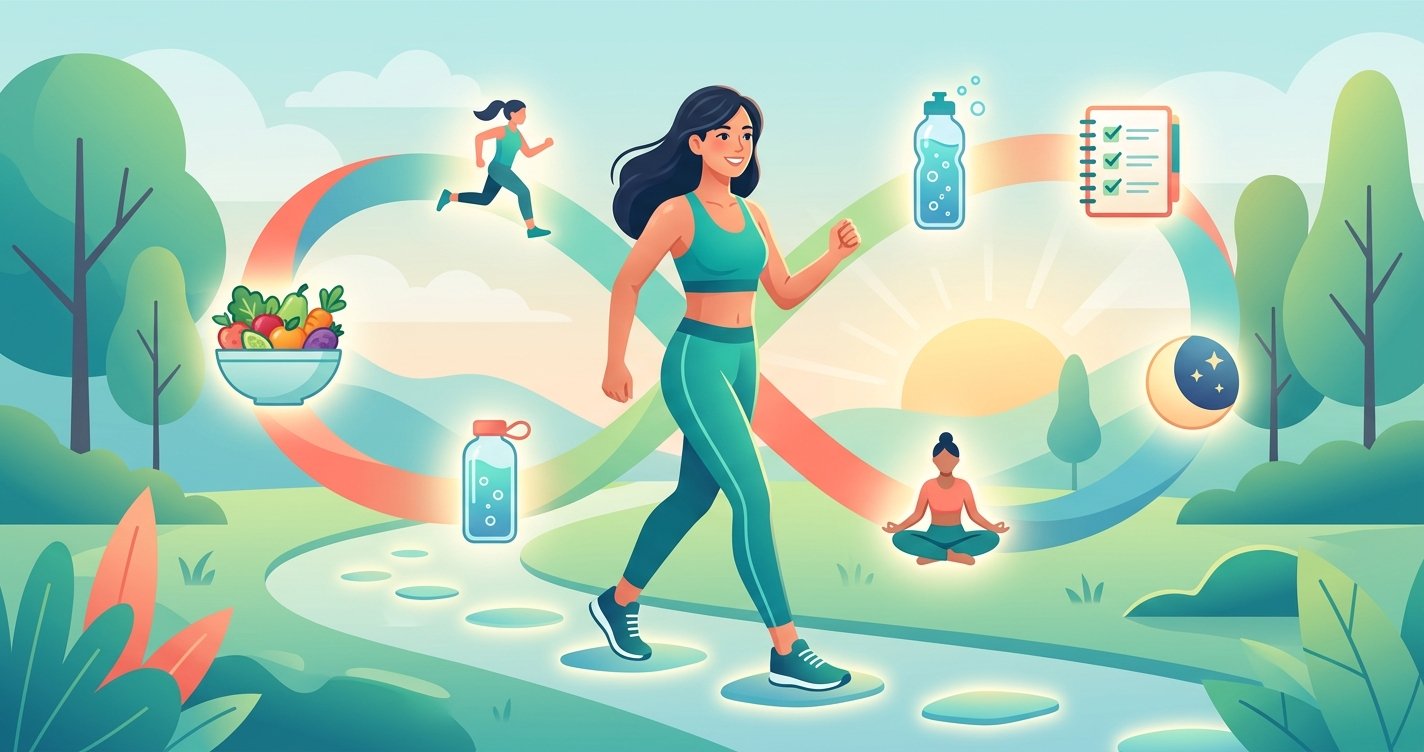
Are you tired of the yo-yo diet cycle? Do you feel frustrated by quick fixes that promise the world but deliver only temporary results and eventual burnout? If you’ve been chasing fat loss through extreme restrictions, grueling workouts you dread, or trendy detoxes, you’re not alone. Millions struggle with finding a sustainable path to a healthier body and a weight they can maintain long-term.
The good news? Sustainable fat loss isn't about deprivation; it's about empowerment. It's about understanding your body, nourishing it wisely, and building consistent habits that support your health and well-being for life. Forget the crash diets and embrace a journey that brings lasting change, not just to your waistline, but to your overall vitality. Let's dive into how you can achieve real, lasting fat loss by focusing on habits that stick. this excellent wellness product
The Foundation: Understanding Your Calorie Deficit (Without Obsession)
At its core, fat loss boils down to a simple principle: consuming fewer calories than your body expends. This is known as a calorie deficit. While this might sound daunting, it doesn't mean starving yourself or meticulously counting every single morsel of food. In fact, an overly aggressive deficit can be counterproductive, leading to muscle loss, metabolic slowdown, and intense cravings that sabotage your efforts.
Instead, think of a moderate, consistent deficit. This means making smart food choices that naturally reduce your calorie intake while keeping you full and satisfied. Prioritize whole, unprocessed foods like lean proteins, fruits, vegetables, and complex carbohydrates. These foods are generally lower in calories but higher in nutrients and fiber, helping you feel satiated without overeating. Your goal isn't to eat as little as possible, but to eat as much as possible while still being in a slight deficit. This approach makes the process far more enjoyable and sustainable.
Fueling Your Body Right: The Power of Protein, Fiber, and Healthy Fats
What you eat is just as important as how much you eat, especially when it comes to sustainable fat loss. Focusing on specific macronutrients can make a huge difference:
-
Protein: Your Muscle-Preserving, Satiety-Boosting Ally
Protein is king for fat loss. It has a higher thermic effect of food (TEF) than carbs or fats, meaning your body burns more calories digesting it. More importantly, protein helps preserve muscle mass during a calorie deficit, which is crucial because muscle is metabolically active, burning more calories even at rest. Plus, protein is incredibly satiating, keeping hunger at bay and reducing the likelihood of snacking on less nutritious options. Aim for a good source of protein at every meal: chicken, fish, lean beef, eggs, dairy, legumes, or plant-based protein powders.
-
Fiber: The Gut-Friendly Fullness Factor
Found abundantly in fruits, vegetables, whole grains, and legumes, fiber adds bulk to your meals without adding many calories. It slows down digestion, promoting a feeling of fullness and helping to stabilize blood sugar levels, preventing those energy crashes that often lead to cravings. A diet rich in fiber also supports a healthy gut microbiome, which emerging research suggests plays a role in weight management.
-
Healthy Fats: Essential for Hormones and Satisfaction
Don't fear fats! Healthy fats (monounsaturated and polyunsaturated) from sources like avocados, nuts, seeds, and olive oil are essential for hormone production, nutrient absorption, and overall health. While calorie-dense, a moderate amount of healthy fats can enhance satiety and add flavor to your meals, making your diet more enjoyable and easier to stick to. The key is moderation, as fats pack more calories per gram than protein or carbs.
Move Your Body, Not Just Your Scale: The Role of Exercise
While nutrition is paramount for fat loss, exercise is the powerful co-pilot that accelerates results and improves overall body composition. It's not just about burning calories; it's about building a stronger, healthier you.
-
Strength Training: Build Muscle, Boost Metabolism
Often overlooked by those solely focused on the scale, strength training is incredibly effective for fat loss. Lifting weights (or using your body weight) builds and preserves muscle mass. More muscle means a higher resting metabolic rate, meaning you burn more calories even when you're not exercising. Aim for 2-4 strength training sessions per week, focusing on compound movements that work multiple muscle groups.
-
Cardio: Heart Health and Calorie Burn
Cardiovascular exercise, like brisk walking, jogging, cycling, or swimming, is excellent for heart health and can contribute to your calorie deficit. It improves endurance and can be a great stress reliever. Find activities you genuinely enjoy, making it easier to stay consistent. Even daily walks can make a significant difference.
-
NEAT: Your Daily Movement Advantage
Non-Exercise Activity Thermogenesis (NEAT) refers to the calories you burn through daily activities that aren't formal exercise – standing, walking around, fidgeting, taking the stairs. Increasing your NEAT can significantly boost your overall daily calorie expenditure. Park further away, take the stairs, walk during phone calls, or set a timer to stand up and move every hour.
Beyond Diet and Exercise: The Unsung Heroes of Fat Loss
Fat loss isn't just about what you eat and how you move. Lifestyle factors play a critical, often underestimated, role:
-
Sleep: Your Hormonal Maestro
Chronic sleep deprivation wreaks havoc on your hormones. It increases ghrelin (the hunger hormone) and decreases leptin (the satiety hormone), making you feel hungrier and less satisfied after meals. Lack of sleep also elevates cortisol, a stress hormone linked to increased fat storage, particularly around the abdomen. Aim for 7-9 hours of quality sleep per night.
-
Stress Management: Taming the Cortisol Beast
Just like sleep deprivation, chronic stress leads to elevated cortisol levels. High cortisol can increase appetite, promote sugar cravings, and encourage fat storage. Finding healthy ways to manage stress – whether through meditation, yoga, spending time in nature, or hobbies – is vital for both your mental well-being and your fat loss journey.
-
Hydration: The Simple Yet Powerful Tool
Drinking enough water is often overlooked but incredibly important. Water is essential for metabolic processes, helps transport nutrients, and can even aid in satiety. Sometimes, thirst is mistaken for hunger. Keep a water bottle handy and sip throughout the day.
Cultivating a Mindset for Lasting Change: Patience, Consistency, and Self-Compassion
Perhaps the most crucial ingredient for sustainable fat loss is your mindset. This is a journey, not a race, and there will be ups and downs. How you navigate these challenges determines your long-term success.
-
Focus on Progress, Not Perfection:
One "bad" meal or missed workout won't derail your entire journey. Get back on track with your next meal or workout. Consistency over perfection is the mantra for lasting change.
-
Develop Healthy Habits Gradually:
Don't try to overhaul everything at once. Pick one or two small, sustainable changes to implement each week. Once they become second nature, add another. This gradual approach builds momentum and prevents overwhelm.
-
Practice Self-Compassion:
Be kind to yourself. There will be days when motivation wanes, or you make choices you regret. Instead of self-criticism, learn from the experience, forgive yourself, and recommit to your goals. Sustainable change comes from a place of self-care, not self-punishment.
-
Mindful Eating:
Pay attention to your body's hunger and fullness cues. Eat slowly, savor your food, and avoid distractions. This helps you recognize when you're truly satisfied and prevents overeating.
Practical Strategies to Implement Today for Sustainable Fat Loss
Ready to start building those lasting habits? Here are some actionable tips you can put into practice right away:
- Prioritize Protein at Every Meal: Make sure your plate always includes a lean protein source.
- Fill Half Your Plate with Veggies: This instantly boosts fiber and nutrient intake for minimal calories.
- Hydrate Throughout the Day: Carry a water bottle and aim for 8-10 glasses daily.
- Incorporate Strength Training: Start with 2-3 full-body sessions per week.
- Increase Daily Movement (NEAT): Take the stairs, walk during breaks, park further away.
- Aim for Quality Sleep: Create a relaxing bedtime routine and stick to a consistent sleep schedule.
- Plan Your Meals: A little meal prep goes a long way in making healthy choices easier.
- Practice Mindful Eating: Eat slowly, without distractions, and tune into your body.
Sustainable fat loss isn't a destination; it's a journey of consistent, healthy choices that become ingrained in your lifestyle. By focusing on a moderate calorie deficit supported by nutrient-dense foods, incorporating enjoyable movement, prioritizing sleep and stress management, and cultivating a resilient mindset, you can move beyond the frustrating cycle of crash diets. Embrace this empowering approach, and watch as you not only achieve your fat loss goals but also build a foundation for lifelong health and vitality. Your body will thank you for it!