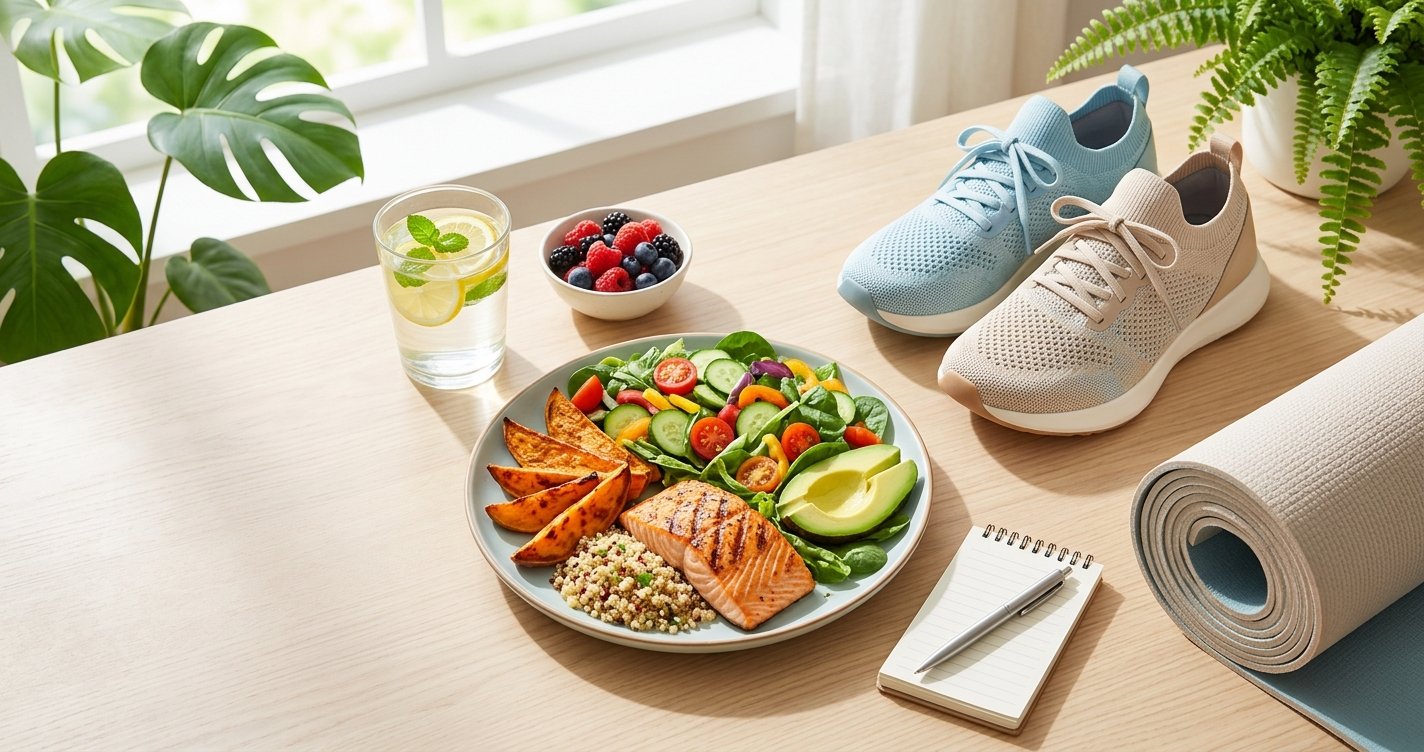
Tired of the Yo-Yo? Discover Sustainable Fat Loss Habits That Actually Work!
Have you ever felt caught in the endless cycle of crash diets, quick fixes, and the inevitable rebound? You’re certainly not alone. The journey to fat loss can often feel like a frustrating rollercoaster, filled with conflicting advice and unrealistic expectations. But what if there was a better way? A path that focuses not on deprivation, but on building sustainable, healthy habits that last a lifetime?
This post isn't about magic pills or extreme diets. It's about empowering you with evidence-based strategies to achieve lasting fat loss by making small, consistent changes that fit into your real life. We'll explore how to nourish your body, move effectively, prioritize your well-being, and cultivate a mindset that supports your goals for good. this excellent wellness product
The Foundation: Understanding Calorie Deficit (Without Obsession)
Let's get one thing straight: at its core, fat loss requires a calorie deficit. This means consuming fewer calories than your body burns. However, this scientific truth often gets twisted into an unhealthy obsession with calorie counting and restriction. While understanding the principle is key, your journey to sustainable fat loss doesn't have to be defined by a calculator.
What is a Calorie Deficit, Really?
Think of it like this: your body needs energy (calories) to function – breathing, thinking, moving, digesting. If you consistently provide slightly less energy than it needs, your body will tap into its stored energy reserves (fat) to make up the difference. That's a calorie deficit.
Why "How Much" You Eat Matters, But "What" You Eat Matters More
While the total calorie number is important, the source of those calories makes a huge difference. 100 calories from a sugary snack will affect your body differently than 100 calories from a lean protein and vegetables. Nutrient-dense foods keep you feeling full, provide essential vitamins and minerals, and support your metabolism, making a calorie deficit feel much more manageable and sustainable.
Fueling Your Body Right: Nutrition for Sustainable Fat Loss
Nutrition is the cornerstone of sustainable fat loss. It's not about cutting out entire food groups or suffering through bland meals. It's about making smart, informed choices that satisfy your hunger, fuel your energy, and support your body's natural fat-burning processes.
Prioritize Protein: The Satiety Superstar
- Keeps you full: Protein is incredibly satiating, meaning it helps you feel fuller for longer, reducing overall calorie intake.
- Muscle preservation: When you're in a calorie deficit, adequate protein intake helps preserve muscle mass, which is crucial for a healthy metabolism.
- Thermic effect: Your body burns more calories digesting protein compared to fats or carbohydrates.
Aim for a good source of lean protein with every meal: chicken, fish, eggs, Greek yogurt, lentils, beans, tofu.
Embrace Whole, Unprocessed Foods
Think real, single-ingredient foods. Fruits, vegetables, whole grains, lean proteins, nuts, and seeds. These foods are packed with fiber, vitamins, and minerals, which not only nourish your body but also help you feel full and satisfied without excess calories.
Don't Fear Healthy Fats and Smart Carbs
Fats are essential for hormone production and nutrient absorption, and they also contribute to satiety. Focus on healthy fats from avocados, nuts, seeds, and olive oil. Carbohydrates provide energy, especially for your workouts. Choose complex carbohydrates like oats, quinoa, brown rice, and sweet potatoes, which offer sustained energy and fiber, rather than refined sugars and white flour products.
The Power of Hydration
Often overlooked, drinking enough water is vital for fat loss. It can help you feel full, aid digestion, and support your metabolism. Sometimes, what feels like hunger is actually just thirst!
Move Your Body: Exercise for More Than Just Burning Calories
While nutrition is paramount, incorporating regular physical activity amplifies your fat loss efforts and offers a myriad of health benefits. Exercise isn't just about burning calories in the moment; it's about building a stronger, healthier, more efficient body.
Strength Training: Your Metabolism's Best Friend
Many people associate fat loss purely with cardio, but strength training is arguably more impactful for sustainable results. Building muscle mass increases your resting metabolic rate, meaning you burn more calories even when you're not exercising. Plus, it shapes your body, improves bone density, and boosts confidence.
Aim for 2-3 full-body strength training sessions per week. You can use weights, resistance bands, or even your own body weight.
Cardio: Heart Health and Calorie Burn
Cardiovascular exercise, like brisk walking, jogging, cycling, or swimming, is excellent for heart health, improving endurance, and burning calories. It also boosts your mood and reduces stress.
Find activities you enjoy and aim for at least 150 minutes of moderate-intensity cardio or 75 minutes of vigorous-intensity cardio per week.
NEAT: The Unsung Hero of Daily Activity
NEAT (Non-Exercise Activity Thermogenesis) refers to the calories you burn from all activities that are not formal exercise, eating, or sleeping. This includes walking to your car, taking the stairs, fidgeting, doing housework, or standing instead of sitting. Boosting your NEAT can significantly contribute to your daily calorie expenditure without feeling like a workout.
Beyond Diet and Exercise: Lifestyle Factors That Accelerate Fat Loss
Sustainable fat loss isn't just about what you eat and how you move; it's deeply intertwined with your overall lifestyle. Neglecting these crucial elements can sabotage even the most diligent diet and exercise plans.
The Crucial Role of Sleep
Lack of sleep can wreak havoc on your hormones, specifically ghrelin (the hunger hormone) and leptin (the satiety hormone). When you're sleep-deprived, ghrelin levels rise, making you feel hungrier, while leptin levels drop, making it harder to feel full. This often leads to increased cravings for high-calorie, sugary foods. Aim for 7-9 hours of quality sleep per night.
Managing Stress for Better Results
Chronic stress triggers the release of cortisol, a hormone that can promote fat storage, particularly around the abdominal area. Stress can also lead to emotional eating and a lack of motivation for healthy habits. Incorporate stress-reducing activities into your daily routine: meditation, yoga, spending time in nature, reading, or hobbies.
Mindful Eating: Connecting with Your Body's Signals
Mindful eating involves paying full attention to your food – how it looks, smells, tastes, and feels. It means eating slowly, savoring each bite, and listening to your body's hunger and fullness cues. This practice can help you avoid overeating, make healthier food choices, and develop a more positive relationship with food.
Building Habits That Stick: Consistency Over Perfection
The secret to sustainable fat loss isn't about being perfect; it's about being consistent. Life happens, and there will be days when you don't hit all your goals. What matters is how you respond to those moments.
Start Small, Build Gradually
Don't try to overhaul everything at once. Pick one or two small, achievable habits to focus on each week. For example, commit to drinking an extra glass of water each day, or adding a serving of vegetables to your lunch. Once that habit feels natural, add another.
Track Progress (Not Just the Scale)
The scale is just one metric, and it doesn't tell the whole story. Muscle gain, water retention, and hormonal fluctuations can all affect the number. Celebrate non-scale victories: clothes fitting better, increased energy, improved strength, better sleep, clearer skin, and a more positive mindset. Take progress photos and measurements to see changes the scale might miss.
Be Patient and Kind to Yourself
Sustainable fat loss is a journey, not a race. There will be ups and downs. Embrace the process, learn from setbacks, and treat yourself with the same kindness and understanding you would offer a friend. Self-compassion is a powerful tool for long-term success.
Your Journey to Lasting Change Starts Now
Say goodbye to the endless cycle of crash diets and hello to a sustainable, enjoyable path to fat loss. By focusing on balanced nutrition, effective exercise, crucial lifestyle factors like sleep and stress management, and a mindset of consistency and self-kindness, you're not just losing weight – you're building a healthier, happier you for life.
Remember, every small, consistent step forward is progress. You have the power to create lasting change. What's one sustainable habit you'll start building today?