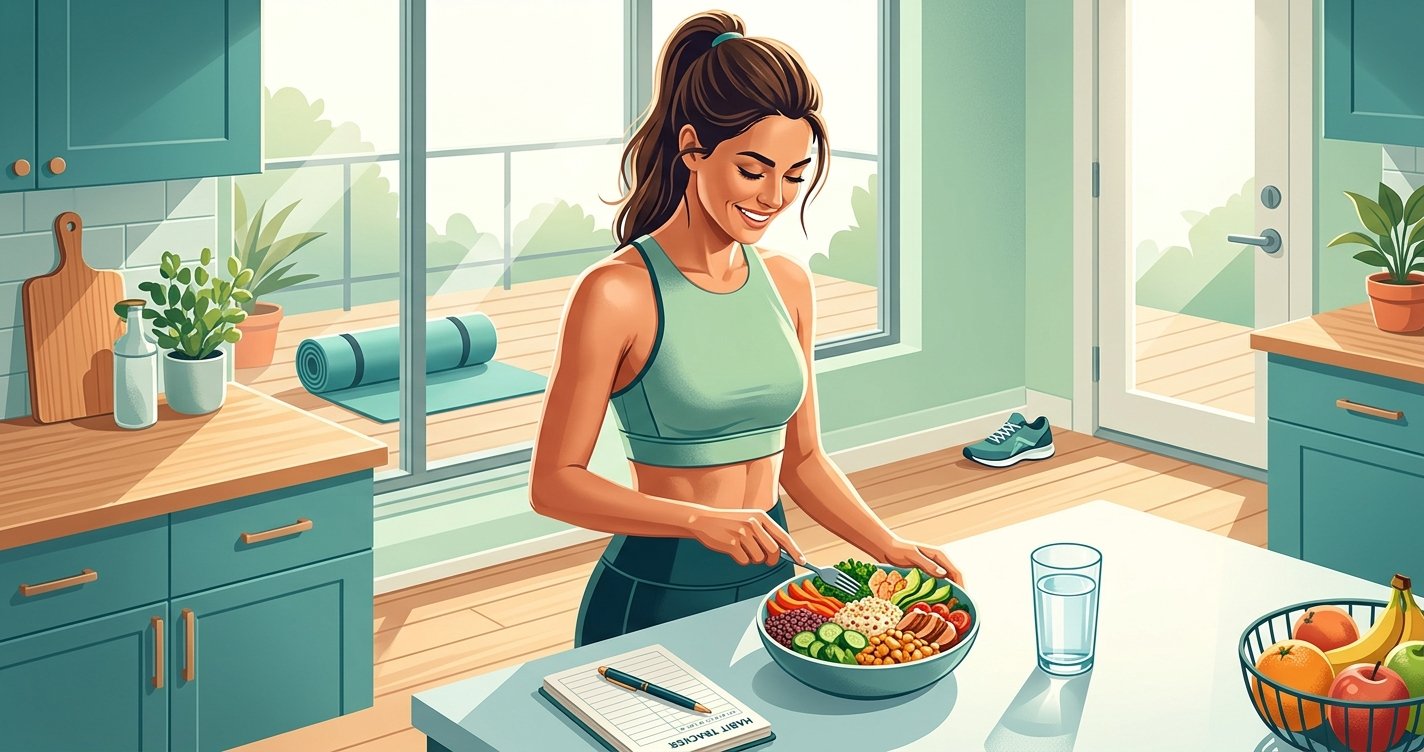
Sustainable Fat Loss: Ditch the Diets, Build Habits That Last
Are you tired of the endless cycle of restrictive diets, quick fixes, and the inevitable rebound? You're not alone. The journey to fat loss often feels like a rollercoaster – exhilarating highs followed by frustrating lows. But what if there was a different path? A path that focuses not on deprivation, but on building healthy, sustainable habits that lead to lasting results, freeing you from the diet mentality forever?
This isn't about magic pills or extreme workouts. It's about understanding your body, making informed choices, and fostering a lifestyle that supports your health and well-being in the long run. Let's explore how to achieve sustainable fat loss, not just for a season, but for life. this excellent wellness product
The Truth About Quick Fixes: Why They Fail (and What Works Instead)
The allure of rapid fat loss is powerful. Promises of dropping 10 pounds in a week or transforming your body in 30 days flood our feeds. While these approaches might deliver initial results, they often come at a cost. Extreme calorie restriction can slow your metabolism, lead to muscle loss, and trigger intense cravings. When the diet inevitably ends, the weight often returns, sometimes with extra pounds, a phenomenon commonly known as the "yo-yo effect."
Why? Because quick fixes rarely address the root causes of weight gain or the behavioral patterns that sustain it. They're unsustainable. True, lasting fat loss isn't a race; it's a marathon built on consistent, manageable changes that become part of your everyday life. Instead of chasing a number on the scale, we'll focus on building a healthier, stronger you.
Fueling Your Body Smart: Nutrition for Lasting Fat Loss
Nutrition is the cornerstone of sustainable fat loss. It's not about cutting out entire food groups or suffering through bland meals. It's about making smart, informed choices that nourish your body, keep you satisfied, and support your goals.
The Power of a Gentle Calorie Deficit
At its core, fat loss requires consuming slightly fewer calories than your body burns. This is known as a calorie deficit. However, "gentle" is the keyword here. A moderate deficit (around 300-500 calories less than your maintenance needs) is far more sustainable than a drastic one. It allows you to lose fat gradually without feeling constantly hungry or deprived, preserving your metabolism and energy levels.
Prioritize Protein and Fiber
These two nutrients are your best friends for fat loss. Protein is crucial for preserving muscle mass during a calorie deficit, which is vital for maintaining a healthy metabolism. It's also incredibly satiating, helping you feel fuller for longer. Fiber, found in fruits, vegetables, and whole grains, adds bulk to your meals, aids digestion, and also contributes to satiety, preventing overeating.
- Excellent Protein Sources: Lean meats, poultry, fish, eggs, dairy (Greek yogurt, cottage cheese), legumes, tofu, tempeh.
- Fiber-Rich Foods: Berries, apples, broccoli, spinach, lentils, beans, oats, quinoa.
Embrace Whole, Unprocessed Foods
Focus on eating foods as close to their natural state as possible. Whole foods are generally lower in calories, higher in nutrients, and more satisfying than their processed counterparts. They provide sustained energy, essential vitamins, and minerals that support overall health.
Hydration is Key
Don't underestimate the power of water! Staying well-hydrated is essential for numerous bodily functions, including metabolism. Sometimes, our bodies confuse thirst for hunger, leading us to eat when we simply need a glass of water. Aim for at least 8 glasses a day, and consider drinking water before meals to aid satiety.
Move Your Body, Build Your Future: Exercise Beyond Cardio
While nutrition plays the biggest role in creating a calorie deficit, exercise is indispensable for transforming your body composition, boosting your metabolism, and enhancing your overall health.
The Magic of Strength Training
If you're not lifting weights, you're missing out on a powerful fat loss tool. Strength training builds muscle, and muscle is metabolically active, meaning it burns more calories at rest than fat does. More muscle equals a higher resting metabolism, making it easier to maintain fat loss in the long term. Plus, it shapes your body, giving you a toned and strong physique.
Incorporate Cardio (Smartly!)
Cardiovascular exercise is excellent for heart health, endurance, and burning extra calories. You don't need to spend hours on the treadmill. Incorporate a mix of moderate-intensity cardio (like brisk walking, cycling, or swimming) and perhaps some high-intensity interval training (HIIT) a couple of times a week to maximize calorie burn and improve cardiovascular fitness.
NEAT: The Unsung Hero of Calorie Burn
NEAT stands for Non-Exercise Activity Thermogenesis – essentially, all the calories you burn from activities that aren't formal exercise. Think walking, fidgeting, taking the stairs, cleaning, or parking further away. Increasing your NEAT throughout the day can significantly contribute to your overall calorie expenditure and make a big difference over time.
The Unseen Pillars: Sleep, Stress, and Mindset
Often overlooked, these factors can make or break your fat loss journey. Ignoring them is like trying to build a house on shaky ground.
Sleep Your Way to a Leaner You
Quality sleep (7-9 hours per night) is absolutely critical. Lack of sleep disrupts hunger-regulating hormones: it increases ghrelin (the hunger hormone) and decreases leptin (the satiety hormone). It also elevates cortisol, a stress hormone linked to increased belly fat storage and cravings for unhealthy foods. Prioritize sleep, and watch how much easier it becomes to make healthy choices.
Taming the Stress Monster
Chronic stress, like sleep deprivation, leads to elevated cortisol levels. This can make your body more prone to storing fat, especially around the midsection, and can drive emotional eating. Find healthy ways to manage stress, whether it's through meditation, yoga, spending time in nature, hobbies, or simply deep breathing exercises. Your waistline (and your mind) will thank you.
Cultivating a Growth Mindset
Fat loss is a journey, not a destination. There will be good days and challenging days. Cultivating a growth mindset – believing that your abilities can be developed through dedication and hard work – allows you to view setbacks as learning opportunities rather than failures. Be patient with yourself, practice self-compassion, and celebrate every small victory.
Consistency Over Perfection: Your Journey to Lasting Change
The biggest secret to sustainable fat loss isn't a secret at all: it's consistency. It's about showing up day after day, making good choices most of the time, and gently course-correcting when you veer off track. Perfection is an illusion that leads to burnout and giving up. Consistency, however, builds momentum and compounds over time into remarkable results.
Don't strive for perfect; strive for better. If you have an off day or a challenging meal, don't throw in the towel. Acknowledge it, learn from it, and get right back to your healthy habits with your next meal or workout. Small, consistent efforts lead to monumental changes over time.
- Start Small: Don't overhaul everything at once. Pick one or two habits to focus on each week.
- Track Progress (Beyond the Scale): Notice how your clothes fit, your energy levels, your strength, and your mood.
- Seek Support: Share your goals with a friend, family member, or consider working with a coach.
- Be Patient: Sustainable fat loss takes time. Trust the process and celebrate your progress along the way.
Embracing sustainable fat loss means letting go of the diet mentality and adopting a lifestyle that truly nourishes you. It's about empowering yourself with knowledge, building healthy habits one step at a time, and fostering a loving relationship with your body. You deserve to feel strong, energized, and confident – and with these strategies, you're well on your way to achieving just that, for good.