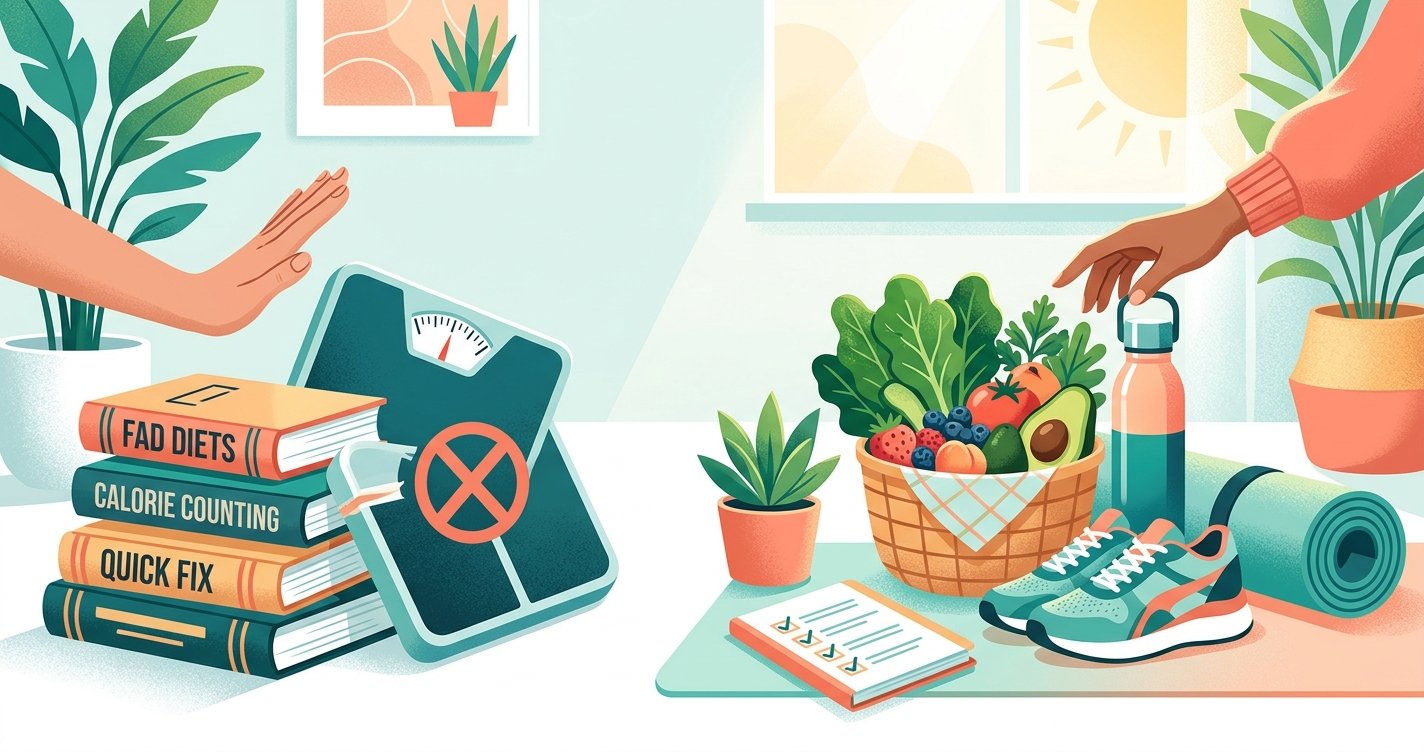
Are you tired of the endless cycle of restrictive diets, rapid weight loss, and inevitable rebound? You're not alone. The journey to fat loss is often portrayed as a sprint, demanding extreme sacrifices for quick results. But what if we told you there’s a better way? A path focused not on deprivation, but on building sustainable, healthy habits that lead to lasting change?
This isn't another crash diet plan. This is your guide to understanding how your body truly sheds fat and, more importantly, how to create a lifestyle that supports your goals for the long haul. We'll explore evidence-based strategies that are friendly, encouraging, and designed to empower you. this excellent wellness product
The Truth About “Quick Fixes”: Why They Fail
The allure of losing 10 pounds in a week is powerful, but these rapid methods rarely deliver sustainable results. They often involve severely restricted calorie intake, cutting out entire food groups, or relying on supplements with dubious claims. While you might see an initial drop on the scale, much of this is typically water weight, not true fat loss.
The Yo-Yo Cycle Explained
When you drastically cut calories, your body perceives it as a famine. It responds by slowing down your metabolism to conserve energy. This makes it harder to lose weight over time and easier to regain it once you return to normal eating patterns – often with a little extra. This frustrating "yo-yo" effect can be detrimental not only to your physical health but also to your relationship with food and your self-esteem.
Why Extreme Restriction Backfires
Beyond the metabolic slowdown, extreme diets are simply not sustainable. They lead to intense cravings, nutrient deficiencies, mood swings, and a feeling of constant hunger. This makes adherence incredibly difficult, ultimately leading to feelings of failure and a return to old habits, often with increased urgency to comfort eat.
The Foundation: Understanding Energy Balance for Fat Loss
At its core, fat loss boils down to one fundamental principle: energy balance. You need to consistently consume fewer calories than your body expends. This creates a “calorie deficit,” forcing your body to tap into its stored fat for energy.
It's Not Just About Eating Less, It's About Eating Smart
While a calorie deficit is non-negotiable, the quality of those calories matters immensely. Eating 1500 calories of highly processed junk food will yield very different results than 1500 calories of whole, nutrient-dense foods. The latter will keep you feeling fuller, provide essential nutrients, and support overall health, making adherence to your deficit much easier.
Finding Your Sweet Spot: Calculating Your Calorie Needs
To establish an effective calorie deficit, you first need to estimate your Basal Metabolic Rate (BMR – calories burned at rest) and your Total Daily Energy Expenditure (TDEE – BMR plus activity). Online calculators can give you a starting point. A safe and sustainable deficit for fat loss is typically 300-500 calories below your TDEE, aiming for 1-2 pounds of fat loss per week. Remember, these are estimates, and listening to your body and adjusting as you go is key.
Nutrition for Lasting Results: Fueling Your Body Smartly
Your plate is your most powerful tool in sustainable fat loss. Focus on nutrient density and satiety.
Prioritize Protein: The Satiety & Muscle Preserver
Protein is king for fat loss. Here’s why:
- Satiety: Protein is the most filling macronutrient, helping you feel fuller for longer and reducing overall calorie intake.
- Thermogenic Effect: Your body burns more calories digesting protein compared to fats or carbs.
- Muscle Preservation: When in a calorie deficit, adequate protein intake helps preserve lean muscle mass, which is crucial for maintaining a healthy metabolism.
Aim for 0.7-1 gram of protein per pound of body weight daily, distributed across your meals.
Embrace Whole Foods: Fiber, Micronutrients, and Fullness
Fill your plate with:
- Lean Proteins: Chicken breast, turkey, fish, lean beef, eggs, tofu, lentils.
- Complex Carbohydrates: Oats, quinoa, brown rice, sweet potatoes, whole-grain bread. These provide sustained energy and fiber.
- Healthy Fats: Avocados, nuts, seeds, olive oil. Essential for hormone production and satiety, but consume in moderation as they are calorie-dense.
- Plenty of Vegetables and Fruits: Low in calories, high in fiber, vitamins, and minerals. They add volume to your meals without adding excessive calories.
Mindful Eating: Beyond the Plate
How you eat is almost as important as what you eat. Practice mindful eating:
- Eat slowly and savor each bite.
- Pay attention to your body's hunger and fullness cues.
- Avoid distractions like screens while eating.
- Recognize emotional eating triggers and develop healthier coping mechanisms.
Hydration: An Often-Overlooked Key
Drinking enough water is vital. It can help with satiety, boost metabolism slightly, and is crucial for all bodily functions. Often, thirst can be mistaken for hunger, leading to unnecessary snacking. Aim for 8-10 glasses of water daily.
Movement That Matters: Beyond Just “Burning Calories”
While nutrition drives fat loss, exercise is the accelerator, shaping your body and boosting your health.
Strength Training: Your Muscle-Building, Metabolism-Boosting Friend
Don't skip the weights! Strength training is incredibly effective for fat loss because:
- Builds Muscle: More muscle mass means a higher resting metabolism, burning more calories even when you're not working out.
- Shapes Your Body: It helps create a toned, defined physique.
- Increases Strength and Bone Density: Important for overall health and longevity.
Aim for 2-4 strength training sessions per week, targeting all major muscle groups.
Cardio for Health and Calorie Burn (but not the only solution)
Cardiovascular exercise, like brisk walking, jogging, cycling, or swimming, is excellent for heart health and burns calories during the activity. Incorporate 150-300 minutes of moderate-intensity cardio or 75-150 minutes of vigorous-intensity cardio per week, as recommended by health organizations.
NEAT: The Power of Everyday Movement
Non-Exercise Activity Thermogenesis (NEAT) refers to the calories you burn doing everyday activities outside of structured exercise – walking, fidgeting, taking the stairs, cleaning. Increasing your NEAT can significantly contribute to your daily calorie expenditure. Small changes like parking further away or taking walking breaks add up!
The Unseen Heroes: Sleep, Stress, and Mindset
These often-neglected factors play a huge role in your fat loss journey.
Quality Sleep: Recover, Regulate Hormones
Lack of sleep can sabotage your efforts. It disrupts hormones that regulate hunger (ghrelin) and satiety (leptin), making you feel hungrier and crave unhealthy foods. Aim for 7-9 hours of quality sleep per night.
Stress Management: Taming Cortisol
Chronic stress leads to elevated cortisol levels, which can promote fat storage, particularly around the midsection. Find healthy ways to manage stress, such as meditation, yoga, hobbies, or spending time in nature.
Cultivating a Positive Mindset: Patience and Self-Compassion
Fat loss is a journey, not a destination. There will be good days and bad days. Cultivate patience, celebrate small victories, and practice self-compassion. Don't let a single "off" meal derail your entire week. Get back on track, learn from it, and move forward.
Your Sustainable Path Forward
Sustainable fat loss isn't about perfection; it's about consistency and progress. By focusing on whole, nutrient-dense foods, prioritizing protein, incorporating strength training, staying active, and nurturing your mind and body with adequate sleep and stress management, you're not just losing weight – you're building a healthier, stronger, and more vibrant you. Embrace the journey, trust the process, and celebrate every step towards a lasting change.