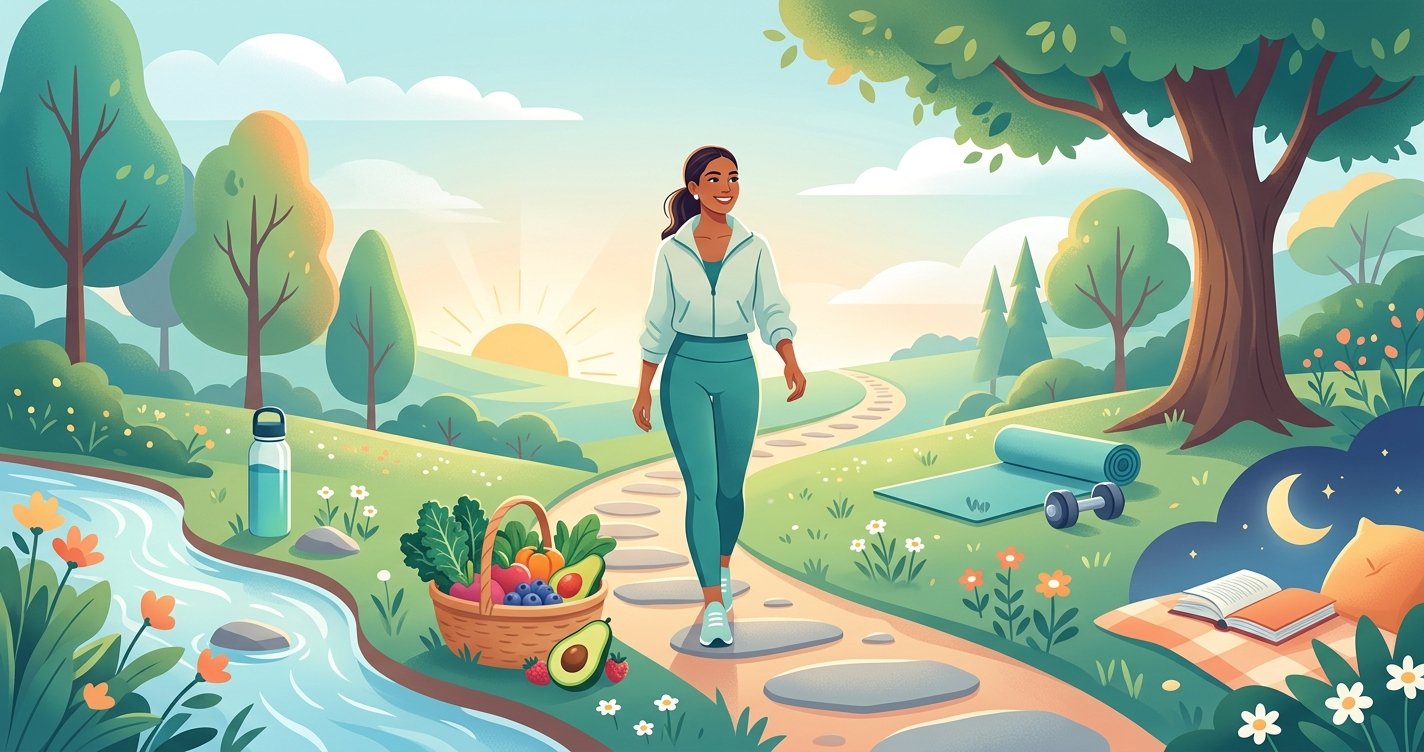
Tired of the weight loss rollercoaster? You’re not alone. The world is saturated with quick-fix diets, extreme workout plans, and miraculous supplements, all promising rapid results. But if you’ve been on this journey for a while, you know the truth: these approaches rarely lead to lasting change. The good news? Sustainable fat loss is not only possible but incredibly rewarding. It’s about ditching the temporary fixes and building healthy habits that integrate seamlessly into your life, leading to a healthier, happier you for the long haul.
In this post, we’ll explore the evidence-based strategies for achieving sustainable fat loss, focusing on practical steps you can take today to transform your body and mind, without feeling deprived or overwhelmed. Let's embark on a journey that prioritizes your well-being over fleeting trends. this excellent wellness product
Why Quick Fixes Fail (And What Works Instead)
The allure of losing 10 pounds in a week is powerful, but such rapid weight loss often comes at a cost. Extreme calorie restriction or overly intense exercise regimes are difficult to maintain. They can lead to nutrient deficiencies, metabolic slowdown, muscle loss (not just fat!), hormonal imbalances, and a rebound effect where you regain more weight than you lost. This cycle is not only frustrating but also damaging to your physical and mental health.
Sustainable fat loss, on the other hand, is a gradual process. It focuses on creating a moderate, consistent calorie deficit and incorporating lifestyle changes that you can maintain indefinitely. This approach protects your metabolism, preserves muscle mass, and fosters a positive relationship with food and exercise, making fat loss a natural byproduct of a healthier lifestyle.
The Foundation: Nutrition for Lasting Results
When it comes to fat loss, nutrition plays the starring role. You simply cannot out-exercise a poor diet. But this doesn't mean eating boring, restrictive meals. It means making smart, informed choices.
The Calorie Deficit: It's Still King
At its core, fat loss boils down to consuming fewer calories than your body burns – a calorie deficit. However, the key is to achieve this deficit intelligently. A moderate deficit (typically 300-500 calories below your maintenance level) allows for steady fat loss (1-2 pounds per week) without triggering extreme hunger, energy crashes, or metabolic adaptations that sabotage your efforts.
Instead of drastic cuts, focus on small, manageable changes: swap sugary drinks for water, choose leaner protein sources, increase your vegetable intake, and be mindful of portion sizes. Tools like MyFitnessPal or a simple food journal can help you track your intake and identify areas for improvement.
The Power of Protein
Protein is your best friend for fat loss. Here’s why:
- Satiety: Protein is the most satiating macronutrient, helping you feel fuller for longer and reducing cravings.
- Muscle Preservation: When in a calorie deficit, adequate protein intake helps preserve lean muscle mass, which is crucial for maintaining a healthy metabolism.
- Thermogenic Effect: Your body burns more calories digesting protein compared to fats or carbohydrates.
Aim for 0.7-1 gram of protein per pound of body weight daily. Incorporate lean meats, poultry, fish, eggs, dairy, legumes, and plant-based protein sources into every meal.
Fiber & Whole Foods: Your Allies
Don't underestimate the power of fiber. Found in fruits, vegetables, whole grains, and legumes, fiber adds bulk to your meals, promoting satiety and aiding digestion. It also helps stabilize blood sugar levels, preventing energy dips and subsequent cravings.
Prioritize whole, unprocessed foods over their refined counterparts. These foods are packed with essential vitamins, minerals, and antioxidants, nourishing your body and supporting overall health as you pursue fat loss.
Move Your Body Smart, Not Hard
While nutrition is paramount, physical activity complements your efforts by burning additional calories, building muscle, and improving overall health and mood. The goal isn't to punish your body, but to move it in ways you enjoy and can sustain.
Embrace Strength Training
If you're not lifting weights, you're missing out on a powerful fat loss tool. Strength training builds and maintains muscle mass. More muscle means a higher resting metabolism, as muscle burns more calories at rest than fat tissue. This translates to burning more calories even when you're not exercising!
Aim for 2-4 strength training sessions per week, targeting all major muscle groups. You don't need to be a bodybuilder; bodyweight exercises, resistance bands, or light weights can be incredibly effective, especially for beginners.
Don't Forget Cardio (But Don't Overdo It)
Cardiovascular exercise, like brisk walking, jogging, cycling, or swimming, is excellent for heart health and burns calories. However, excessive cardio without adequate strength training can lead to muscle loss over time. Integrate moderate cardio for 150-300 minutes per week, focusing on activities you genuinely enjoy. Also, remember the power of Non-Exercise Activity Thermogenesis (NEAT) – simply moving more throughout your day (taking stairs, walking during calls) can significantly increase your daily calorie expenditure.
Beyond Diet & Exercise: Holistic Habits
Sustainable fat loss isn't just about what you eat and how you move; it's deeply intertwined with your overall lifestyle. Overlooking these crucial elements can sabotage even the best diet and exercise plans.
The Unsung Hero: Sleep
Quality sleep is non-negotiable for fat loss. Lack of sleep disrupts hormones that regulate appetite: ghrelin (which increases hunger) goes up, and leptin (which signals fullness) goes down. Poor sleep also increases cortisol, the stress hormone, which can promote fat storage, especially around the belly.
Aim for 7-9 hours of quality sleep per night. Establish a consistent sleep schedule, create a relaxing bedtime routine, and optimize your sleep environment to be dark, quiet, and cool.
Stress Less, Lose More
Chronic stress, like poor sleep, elevates cortisol levels. This can lead to increased cravings for high-calorie comfort foods and, again, promote fat accumulation. Learning to manage stress is vital for both your mental well-being and your fat loss journey.
Incorporate stress-reducing practices into your daily routine: meditation, yoga, deep breathing exercises, spending time in nature, journaling, or engaging in hobbies you love. Find what works for you to de-stress and make it a priority.
Mindful Eating: Reconnecting with Your Body
In our fast-paced world, many of us eat mindlessly. Mindful eating involves paying full attention to your food – its taste, texture, smell, and how it makes you feel. It helps you recognize true hunger and fullness cues, preventing overeating and fostering a healthier relationship with food.
Practice mindful eating by slowing down, chewing thoroughly, savoring each bite, and putting away distractions like phones or TV during meals.
Building Your Sustainable Fat Loss Roadmap
The journey to sustainable fat loss is a marathon, not a sprint. It’s about making small, consistent changes that accumulate over time. Here’s a quick roadmap to get started:
- Start Small: Don't overhaul everything at once. Pick one or two habits to focus on each week.
- Prioritize Protein: Ensure every meal includes a good source of lean protein.
- Hydrate: Drink plenty of water throughout the day. Often, thirst is mistaken for hunger.
- Move Regularly: Incorporate both strength training and enjoyable cardio.
- Get Your Zzz's: Make sleep a non-negotiable part of your routine.
- Manage Stress: Find healthy outlets for stress to keep cortisol in check.
- Be Patient & Kind to Yourself: There will be ups and downs. Focus on progress, not perfection. Celebrate small victories.
Remember, this isn't about deprivation; it's about empowerment. It's about choosing health, strength, and vitality. By focusing on sustainable habits, you're not just losing weight; you're building a foundation for a healthier, happier life that truly lasts.
Are you ready to ditch the diets and embrace a sustainable path to fat loss? Start with one small change today, and watch as those consistent efforts lead to incredible, lasting results!