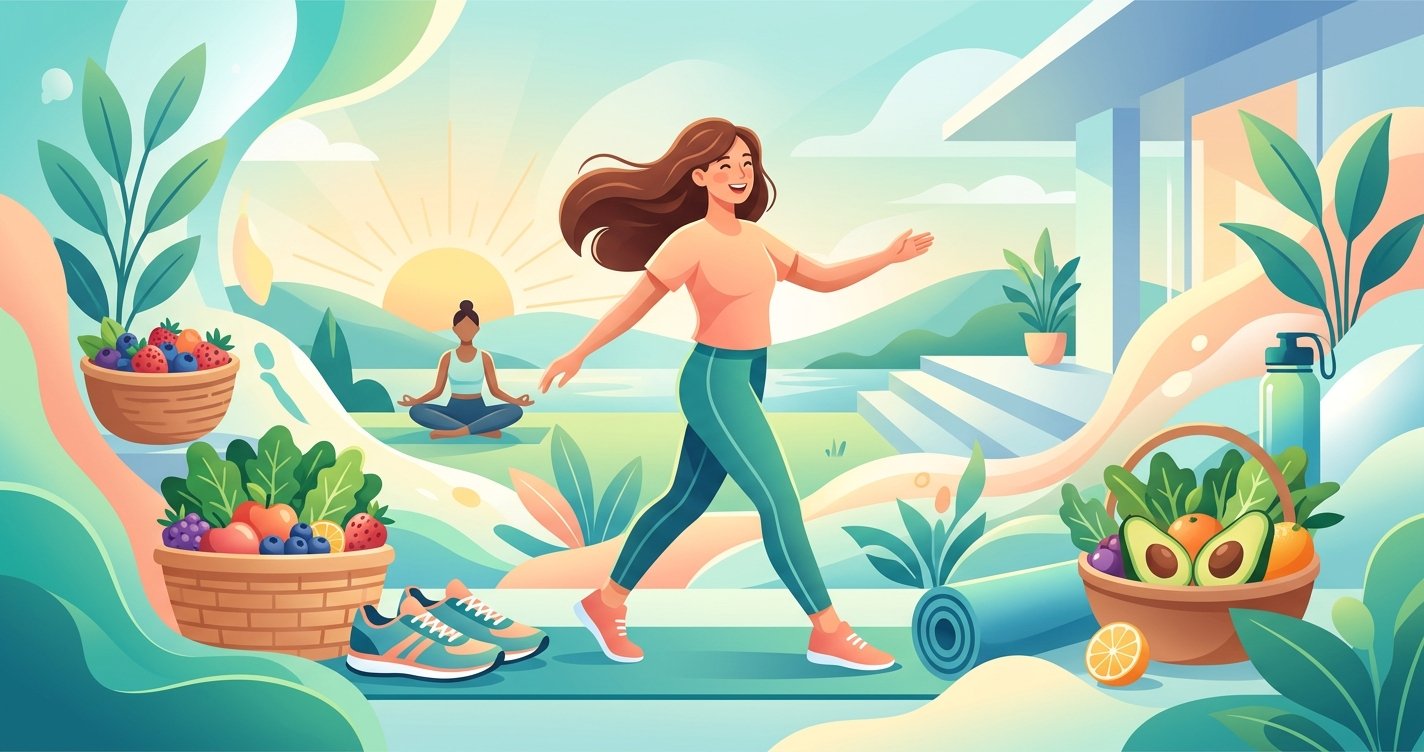
Are you tired of the endless cycle of restrictive diets, fleeting results, and the frustration of regaining lost weight? You’re not alone. Many of us have been conditioned to believe that fat loss requires extreme measures, quick fixes, and a constant battle against our own bodies. But what if there was a different, more sustainable path? A path that focuses not on deprivation, but on empowerment, not on temporary fixes, but on lasting habits?
This isn't just about shedding pounds; it's about transforming your relationship with food, movement, and yourself. It's about building a foundation of health that supports sustainable fat loss and overall well-being for the long haul. Forget the latest fad diet – let's explore how building simple, consistent habits can unlock your potential for lasting change and a healthier, happier you. this excellent wellness product
Why Diets Often Fail (And What to Do Instead)
Traditional diets often promise rapid results, but they rarely deliver long-term success. The reason? They’re typically unsustainable, leading to a vicious cycle of restriction, cravings, and eventual rebound weight gain. This isn't a failure of willpower; it's a failure of the approach.
The Cycle of Restriction and Rebound
When you drastically cut calories or eliminate entire food groups, your body perceives it as a threat. It responds by slowing down your metabolism to conserve energy and increasing hunger hormones like ghrelin, while decreasing satiety hormones like leptin. This biological response makes it incredibly difficult to stick to extreme diets, often leading to intense cravings and eventual binge eating. Once the diet ends, the weight often returns, sometimes with extra, because your metabolism has adapted to a lower intake, making it easier to store fat.
Shifting Your Mindset: From Deprivation to Empowerment
Instead of focusing on what you can't have, shift your mindset to what you can do to nourish your body and support your goals. This means moving away from a punitive approach and embracing one of self-care and empowerment. Think of fat loss as a side effect of becoming healthier, stronger, and more energetic. This positive reframing reduces stress, makes the process more enjoyable, and significantly increases your chances of long-term success.
Nutrition: Fueling Your Body for Sustainable Fat Loss
Eating for fat loss doesn't mean eating boring, bland food. It means making smart, delicious choices that provide your body with the nutrients it needs to thrive, feel satisfied, and gently encourage fat burning.
Prioritizing Whole, Unprocessed Foods
The cornerstone of sustainable fat loss nutrition is a focus on whole, unprocessed foods. These include lean proteins, fruits, vegetables, whole grains, and healthy fats. They are rich in vitamins, minerals, and fiber, which promote satiety, aid digestion, and provide sustained energy. Highly processed foods, on the other hand, are often calorie-dense, nutrient-poor, and designed to be hyper-palatable, making it easy to overeat.
Understanding Calorie Deficit (Without Obsession)
For fat loss to occur, you generally need to consume slightly fewer calories than your body burns – this is known as a calorie deficit. However, this doesn't mean meticulously counting every single calorie for the rest of your life. By focusing on whole foods, controlling portion sizes, and listening to your body's hunger and fullness cues, you can often create a moderate deficit naturally and sustainably. Tools like food logging can be helpful initially to build awareness, but the goal is to develop intuitive eating habits.
The Power of Protein and Fiber
- Protein: Essential for building and repairing muscle tissue, protein is also incredibly satiating. Including a good source of lean protein at each meal (e.g., chicken, fish, beans, lentils, tofu, Greek yogurt) can significantly reduce hunger and cravings, helping you stay in a calorie deficit more easily. Protein also has a higher thermic effect, meaning your body burns more calories digesting it.
- Fiber: Found in fruits, vegetables, whole grains, and legumes, fiber adds bulk to your meals, helping you feel full without adding many calories. It also aids digestion, stabilizes blood sugar levels, and supports a healthy gut microbiome, all of which are beneficial for fat loss and overall health.
Movement: Finding Joy in Being Active
Exercise isn't just about burning calories; it's about building strength, improving cardiovascular health, boosting mood, and enhancing your body's ability to burn fat. The key is to find activities you enjoy and can stick with consistently.
Beyond the Gym: Incorporating NEAT
NEAT, or Non-Exercise Activity Thermogenesis, refers to the energy you expend doing everything that is not sleeping, eating, or sports-like exercise. This includes walking, fidgeting, taking the stairs, gardening, and even standing. Increasing your NEAT throughout the day can significantly contribute to your daily calorie expenditure and is often more sustainable than trying to add hours of intense gym workouts. Look for opportunities to move more in your daily life!
The Role of Strength Training and Cardio
- Strength Training: Lifting weights or performing bodyweight exercises is crucial for fat loss. Muscle tissue is metabolically active, meaning it burns more calories at rest than fat tissue. Building muscle not only sculpts your physique but also boosts your metabolism, making fat loss easier in the long run. Aim for 2-3 full-body strength sessions per week.
- Cardio: Activities like brisk walking, jogging, cycling, or swimming are excellent for cardiovascular health and burning calories. While strength training builds the engine, cardio helps burn fuel. Find a form of cardio you enjoy and aim for at least 150 minutes of moderate-intensity activity or 75 minutes of vigorous-intensity activity per week, as recommended by health guidelines.
The Unsung Heroes: Sleep, Stress, and Hydration
Often overlooked, these three factors play a monumental role in your body's ability to lose fat and maintain overall health. Neglecting them can sabotage even the most diligent efforts in diet and exercise.
Quality Sleep: Your Metabolism's Best Friend
Lack of sleep disrupts hormones that regulate appetite (ghrelin and leptin), making you feel hungrier and less satisfied. It also increases cortisol (the stress hormone) and can impair insulin sensitivity, leading to increased fat storage, especially around the belly. Aim for 7-9 hours of quality sleep per night. Create a consistent sleep schedule, make your bedroom dark and cool, and limit screen time before bed.
Managing Stress: Taming Cortisol
Chronic stress triggers the release of cortisol, which not only impacts sleep and appetite hormones but also promotes fat storage, particularly visceral fat (around your organs). Finding effective ways to manage stress – whether through meditation, yoga, spending time in nature, journaling, or hobbies – is not just good for your mental health; it's crucial for fat loss.
Hydration: Simple Yet Powerful
Water is involved in countless bodily functions, including metabolism. Staying well-hydrated can help you feel fuller, reduce cravings (sometimes thirst is mistaken for hunger), and support optimal metabolic function. Make water your primary beverage choice and aim to drink plenty throughout the day. Keep a water bottle handy as a visual reminder.
Building Sustainable Habits: Small Steps, Big Results
The secret to lasting fat loss isn't about grand gestures; it's about consistent, small changes that accumulate over time. Think of it as planting seeds and nurturing them daily.
Starting Small and Being Consistent
Don't try to overhaul your entire life overnight. Pick one or two small habits to focus on first. For example, commit to drinking a glass of water before each meal, adding a serving of vegetables to dinner, or taking a 15-minute walk daily. Once these habits feel automatic, gradually add another. Consistency, not intensity, is the key.
Tracking Progress (Beyond the Scale)
While the scale can be a useful tool, it doesn't tell the whole story. Muscle gain, water retention, and hormonal fluctuations can all obscure true fat loss. Track other metrics: how your clothes fit, your energy levels, strength improvements, sleep quality, mood, and even progress photos. Celebrating these non-scale victories keeps you motivated and provides a more holistic view of your progress.
Embracing Imperfection and Learning from Setbacks
There will be days when you miss a workout, eat something off-plan, or don't get enough sleep. This is normal! The difference between success and failure isn't avoiding setbacks; it's how you respond to them. Don't let one slip-up derail your entire journey. Acknowledge it, learn from it, and get back on track with your next meal or workout. Self-compassion is a powerful tool for long-term adherence.
Your Journey to Lasting Fat Loss Starts Now
Sustainable fat loss isn't about chasing an ideal body image through temporary suffering. It's about cultivating a lifestyle that prioritifies your health, energy, and happiness. By focusing on nourishing your body with whole foods, engaging in enjoyable movement, prioritizing sleep and stress management, and building small, consistent habits, you're not just losing fat – you're gaining a healthier, more vibrant life.
Embrace this journey with patience, kindness, and a belief in your own ability to create lasting change. Ditch the diet mentality and empower yourself with habits that will serve you for years to come. What's one small habit you can start today to move closer to your goals?