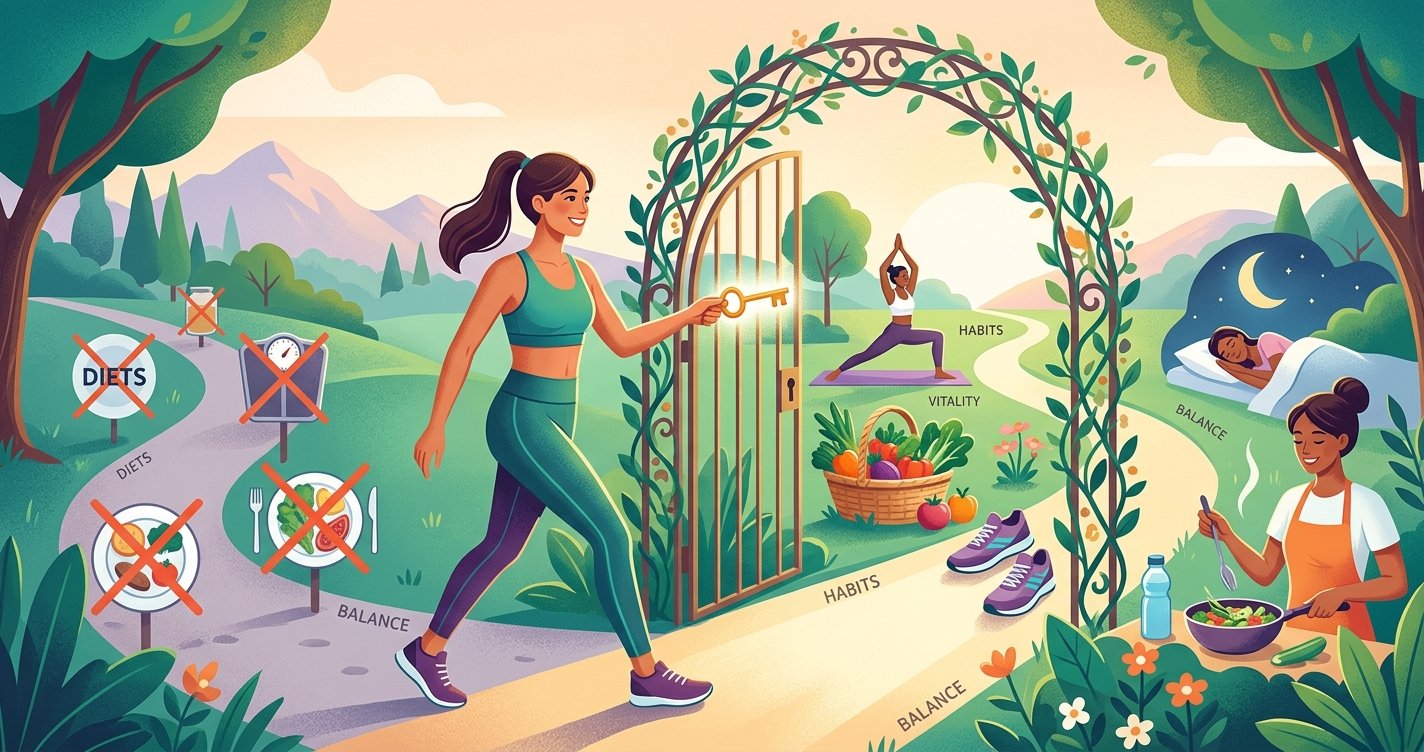
Unlock Sustainable Fat Loss: Ditch the Diets, Embrace Lasting Habits
Are you tired of the endless cycle of restrictive diets, intense workouts, and frustrating weight fluctuations? You’re not alone. Many of us have been caught in the trap of seeking quick fixes for fat loss, only to find ourselves back where we started, often feeling more discouraged than before. The good news? Sustainable fat loss isn't about deprivation or grueling regimens; it's about building consistent, healthy habits that support your body and mind for the long haul. This isn't just about shedding pounds; it's about transforming your lifestyle to feel stronger, more energetic, and truly healthy.
In this guide, we'll explore an evidence-based, friendly, and encouraging approach to achieving lasting fat loss. We'll ditch the extreme measures and focus on practical strategies you can integrate into your daily life, creating a foundation for success that extends far beyond the scale. this excellent wellness product
Why “Quick Fixes” Don't Last: Understanding the Yo-Yo Cycle
The allure of rapid fat loss is powerful. Promises of dropping significant weight in weeks often lead people to extreme calorie restriction or unsustainable exercise routines. While these methods might yield initial results, they rarely last. Here's why:
- Metabolic Adaptation: When you drastically cut calories, your body, designed for survival, slows down your metabolism to conserve energy. This makes it harder to continue losing fat and easier to regain it once you return to normal eating.
- Nutrient Deficiencies: Highly restrictive diets often lack essential nutrients, leading to fatigue, irritability, and cravings.
- Psychological Burnout: The mental toll of constant deprivation and rigid rules is immense. It can lead to feelings of failure, disordered eating patterns, and a negative relationship with food.
- Unsustainability: Can you really eat only cabbage soup for the rest of your life? Probably not. Any plan that isn't enjoyable and flexible is doomed to fail in the long run.
Instead of battling your body, let's learn to work with it.
The Foundation: Gentle Nutrition for Lasting Results
Forget strict meal plans and calorie counting for a moment. Gentle nutrition is about making smart, informed choices that nourish your body without feeling restrictive. It’s about building a sustainable eating pattern that supports fat loss and overall well-being.
Prioritize Protein and Fiber
These two macronutrients are your best friends for fat loss. Protein helps you feel full and satisfied, preserves muscle mass during weight loss, and requires more energy to digest (a slight metabolic boost!). Fiber, found in fruits, vegetables, and whole grains, also contributes to satiety, aids digestion, and helps regulate blood sugar levels.
- Protein-rich foods: Lean meats, poultry, fish, eggs, dairy, legumes, tofu, tempeh.
- Fiber-rich foods: Berries, apples, leafy greens, broccoli, oats, lentils, beans, whole grains.
Embrace Whole Foods
Focus on incorporating more whole, unprocessed foods into your diet. These foods are packed with vitamins, minerals, and antioxidants, and are generally lower in calories and higher in nutrients compared to their processed counterparts. Think fresh produce, lean proteins, and complex carbohydrates.
Hydration is Key
Often overlooked, adequate water intake is crucial. Water can help you feel full, supports metabolic processes, and ensures your body functions optimally. Sometimes, what feels like hunger is actually thirst. Aim for at least 8 glasses of water a day, more if you're active.
Mindful Eating: Beyond the Calories
Mindful eating isn't a diet; it's a practice. It involves paying attention to your body's hunger and fullness cues, savoring your food, and eating without distraction. This helps you recognize when you're truly hungry and when you've had enough, preventing overeating and fostering a healthier relationship with food. Ask yourself: Am I truly hungry? Am I enjoying this food? How does my body feel?
Move Your Body, Love Your Body: Enjoyable Activity for Fat Loss
Exercise for fat loss doesn't have to mean hours on a treadmill or intense boot camps. The most effective exercise plan is one you can stick with consistently because you genuinely enjoy it.
Find What You Love
Explore different forms of movement until you find what resonates with you. Whether it's dancing, hiking, cycling, swimming, yoga, or team sports, finding joy in movement makes it sustainable. Aim for at least 150 minutes of moderate-intensity activity per week.
Incorporate NEAT: Everyday Movement Matters
NEAT, or Non-Exercise Activity Thermogenesis, refers to the energy you burn doing everyday activities that aren't formal exercise. Think walking more, taking the stairs, gardening, fidgeting, or standing while working. Boosting your NEAT can significantly contribute to your daily calorie expenditure.
Strength Training for a Metabolic Boost
Don't skip the weights! Building muscle is incredibly beneficial for fat loss. Muscle tissue burns more calories at rest than fat tissue, meaning a more muscular body has a higher resting metabolism. Strength training also improves bone density, functional strength, and body composition. Aim for 2-3 full-body strength sessions per week.
The Unsung Heroes: Sleep and Stress Management
You can eat perfectly and exercise diligently, but if you neglect sleep and stress, your fat loss efforts will be hampered. These often-overlooked factors play a critical role in your body's ability to shed fat.
The Power of Sleep
Lack of sleep disrupts hormones that regulate hunger and satiety. When you're sleep-deprived, your body produces more ghrelin (the hunger hormone) and less leptin (the satiety hormone), leading to increased cravings, especially for high-calorie, high-carb foods. Aim for 7-9 hours of quality sleep per night.
Taming Stress for a Healthier You
Chronic stress triggers the release of cortisol, a hormone that can promote fat storage, particularly around the abdomen. Stress can also lead to emotional eating and reduced motivation for healthy habits. Incorporate stress-reducing practices like meditation, deep breathing, spending time in nature, or engaging in hobbies you enjoy.
Building Sustainable Habits: Small Steps, Big Impact
The key to lasting change isn't a sudden overhaul, but a gradual accumulation of small, consistent habits.
Start Small and Build Up
Don't try to change everything at once. Pick one or two small habits to focus on, master them, and then add more. For example, start by adding a serving of vegetables to one meal a day, or commit to a 15-minute walk. Small victories build momentum and confidence.
Consistency Over Perfection
Life happens. There will be days when you don't eat perfectly or miss a workout. That's okay! The goal isn't perfection, but consistency. An 80/20 approach (making healthy choices 80% of the time and allowing for flexibility 20% of the time) is far more sustainable than striving for an impossible 100%.
Track Progress (Beyond the Scale)
While the scale can be a tool, it doesn't tell the whole story. Focus on non-scale victories: improved energy levels, better sleep, clothes fitting looser, increased strength, a more positive mood, or simply feeling better in your skin. These indicators provide a more holistic and encouraging view of your progress.
Your Journey to Lasting Fat Loss Starts Now
Sustainable fat loss isn't a race; it's a journey of self-discovery and self-care. By shifting your focus from quick fixes to building healthy, enjoyable habits, you can achieve lasting results that improve your overall health and well-being. Embrace gentle nutrition, find joy in movement, prioritize sleep, and manage stress. Remember, every small, consistent step you take is a step towards a healthier, happier you. You have the power to create a positive, sustainable change – one habit at a time.