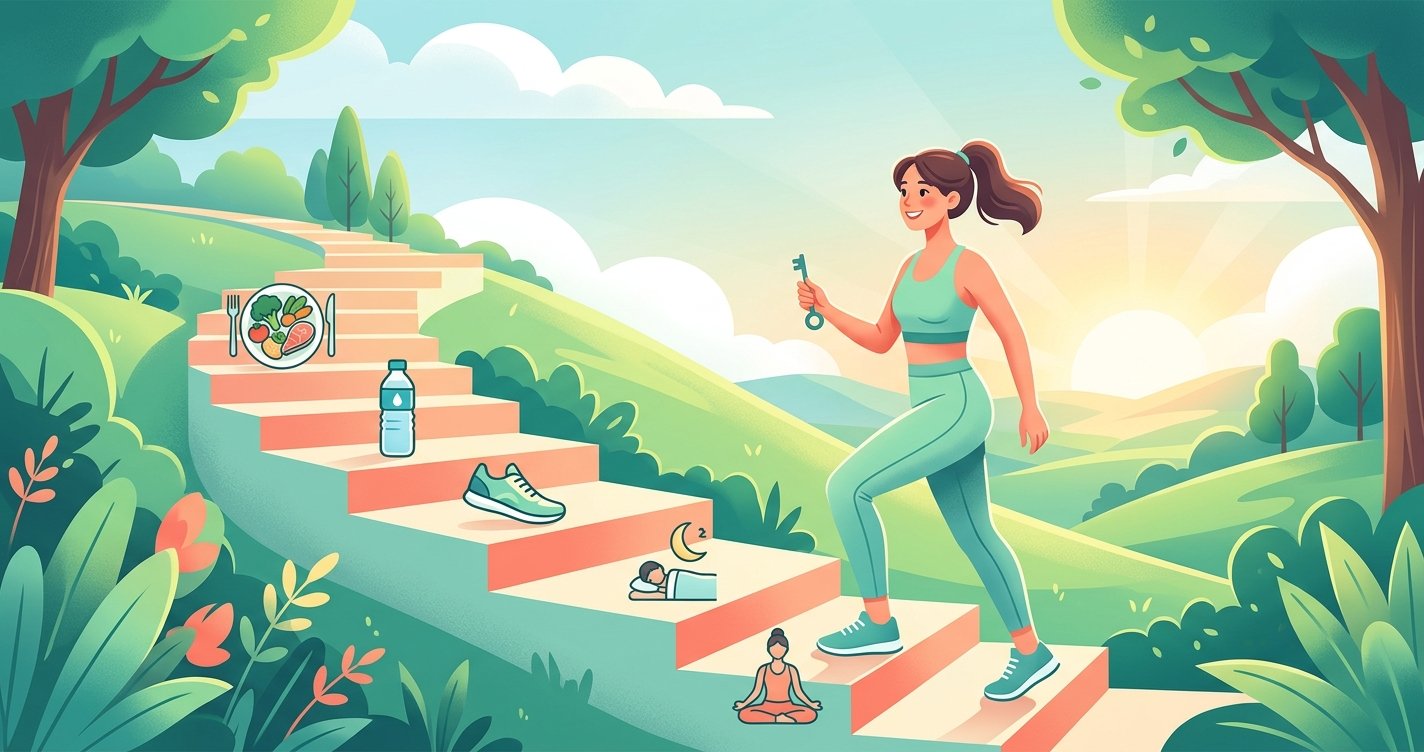
Unlock Sustainable Fat Loss: Habits for Lasting Results Without Extreme Diets
Are you tired of the endless cycle of crash diets, restrictive eating, and short-lived fat loss? You're not alone. Many people embark on a fat loss journey with immense enthusiasm, only to find themselves burnt out, frustrated, and back where they started – or even heavier. The truth is, genuine, lasting fat loss isn't about deprivation; it's about building sustainable habits that support your body and mind in the long run.
This isn't another fad diet article. This is about empowering you with evidence-based strategies to transform your lifestyle, not just your diet. We'll explore how focusing on consistent, healthy habits across nutrition, movement, sleep, and stress management can lead to permanent fat loss, improved health, and a much happier you. Get ready to ditch the quick fixes and embrace a smarter, kinder path to your fat loss goals. this excellent wellness product
The Problem with Quick Fixes and Extreme Diets
The allure of rapid results is powerful. Promises of losing 10 pounds in a week or transforming your body in 30 days are everywhere. But these extreme approaches often come with significant downsides:
- Metabolic Adaptation: Severely restricting calories can slow down your metabolism, making it harder to lose weight and easier to regain it once you stop the diet.
- Nutrient Deficiencies: Highly restrictive diets often cut out entire food groups, leading to a lack of essential vitamins and minerals.
- Psychological Toll: Constant hunger, cravings, and the feeling of deprivation can lead to irritability, poor mood, and eventually, binge eating.
- Unsustainability: No one can maintain an extreme diet forever. They are designed for short-term compliance, not long-term health.
- Muscle Loss: Rapid weight loss, especially without adequate protein and strength training, often results in significant muscle loss, which further hurts your metabolism.
The solution isn't to try harder at unsustainable methods; it's to adopt a sustainable approach that you can maintain for life.
Foundational Habit 1: Master Your Nutrition (Without Deprivation)
Nutrition is paramount for fat loss, but it doesn't have to mean eating only chicken and broccoli. It's about making smart, informed choices that fuel your body and satisfy your palate.
Focus on Whole Foods
Prioritize foods that are as close to their natural state as possible. Think fruits, vegetables, lean proteins, whole grains, and healthy fats. These foods are rich in nutrients, fiber, and water, which promote satiety and provide sustained energy.
Protein Power
Adequate protein intake is crucial for fat loss. Protein helps preserve lean muscle mass during a calorie deficit, keeps you feeling fuller for longer, and has a higher thermic effect (meaning your body burns more calories digesting it). Aim for 0.7-1 gram of protein per pound of body weight.
Mindful Eating
Slow down and truly experience your meals. Pay attention to your hunger and fullness cues. Are you truly hungry, or is it boredom or stress? Eating mindfully can help you consume less and enjoy your food more, preventing overeating.
Gentle Calorie Awareness
While strict calorie counting isn't always necessary, understanding the concept of a calorie deficit is key. To lose fat, you generally need to consume slightly fewer calories than your body burns. This doesn't mean obsessive tracking, but rather being generally aware of portion sizes and the energy density of your food choices.
- Practical Nutrition Tips:
- Include a source of lean protein at every meal (chicken, fish, eggs, tofu, lentils).
- Fill half your plate with non-starchy vegetables.
- Drink plenty of water throughout the day.
- Plan your meals and snacks to avoid impulse, unhealthy choices.
- Don't ban foods entirely; instead, practice moderation and enjoy treats occasionally.
Foundational Habit 2: Move Your Body Smartly, Not Just Hard
Exercise isn't just about burning calories; it's about building a stronger, healthier, more metabolically active body. The key is finding activities you enjoy and can stick with.
Embrace Resistance Training
Resistance training (lifting weights, bodyweight exercises) is arguably the most powerful tool for body recomposition. It builds and preserves muscle mass, which is metabolically active tissue, meaning it burns more calories at rest than fat does. Aim for 2-4 sessions per week, focusing on compound movements.
Incorporate Cardio
Cardiovascular exercise improves heart health, boosts endurance, and contributes to your daily calorie expenditure. This could be anything from brisk walking, jogging, cycling, swimming, or dancing. Find what you enjoy and aim for 150-300 minutes of moderate-intensity cardio per week.
NEAT (Non-Exercise Activity Thermogenesis)
Don't underestimate the power of everyday movement. Taking the stairs, parking further away, standing more, and walking during phone calls all add up. Increasing your NEAT can significantly increase your daily calorie burn without feeling like a formal workout.
- Practical Exercise Tips:
- Start small: even 10-15 minutes of movement daily is better than nothing.
- Find a workout buddy for motivation and accountability.
- Experiment with different activities until you find what you genuinely enjoy.
- Focus on progressive overload in resistance training (gradually increasing weight, reps, or sets).
- Listen to your body and incorporate rest days to prevent burnout and injury.
Foundational Habit 3: Prioritize Sleep and Stress Management
These often-overlooked factors play a massive role in your body's ability to lose fat and maintain health. Neglecting them can sabotage even the best nutrition and exercise plans.
The Sleep-Fat Loss Connection
When you don't get enough sleep, your body's hormones go haywire. Ghrelin (the hunger hormone) increases, while leptin (the satiety hormone) decreases, leading to increased cravings and appetite. Cortisol (the stress hormone) also rises, which can promote fat storage, especially around the abdomen. Aim for 7-9 hours of quality sleep per night.
Tame the Stress Monster
Chronic stress keeps cortisol levels elevated, which, as mentioned, can hinder fat loss and even promote fat storage. Stress can also lead to emotional eating and poor food choices. Finding healthy ways to manage stress is vital for both mental well-being and physical fat loss.
- Practical Sleep and Stress Tips:
- Establish a consistent sleep schedule, even on weekends.
- Create a relaxing bedtime routine (e.g., warm bath, reading, gentle stretching).
- Limit screen time before bed.
- Practice stress-reducing activities like meditation, yoga, deep breathing, or spending time in nature.
- Don't be afraid to say 'no' to commitments that overextend you.
Foundational Habit 4: Consistency, Patience, and Self-Compassion
Fat loss is a journey, not a sprint. There will be good days and bad days, plateaus, and breakthroughs. Your mindset is crucial for long-term success.
The Long Game
Sustainable fat loss takes time. Expecting rapid, linear progress is unrealistic and can lead to frustration. Celebrate small victories and understand that consistency over weeks, months, and years yields the best results.
Track Progress Beyond the Scale
The scale doesn't tell the whole story. Muscle weighs more than fat by volume, so you might be losing fat and gaining muscle without the scale moving much. Track other metrics:
- Body measurements (waist, hips, arms).
- Progress photos.
- How your clothes fit.
- Strength improvements in your workouts.
- Energy levels and mood.
Embrace Imperfection
You will have days where you overeat, skip a workout, or don't get enough sleep. That's perfectly normal! The key is not to let one slip-up derail your entire journey. Acknowledge it, learn from it, and get back on track with your next meal or next opportunity to move. Self-compassion is your greatest ally.
- Tips for Staying Consistent:
- Set realistic, achievable goals.
- Find an accountability partner or coach.
- Keep a journal to track habits and reflections.
- Reward yourself for milestones (non-food rewards!).
- Educate yourself continuously to stay motivated and informed.
Embrace Your Sustainable Journey
True, lasting fat loss isn't about chasing the next extreme diet; it's about building a foundation of healthy, sustainable habits that support your body and mind. By focusing on whole foods, smart movement, prioritizing sleep, managing stress, and practicing patience and self-compassion, you're not just losing fat – you're building a healthier, happier, and more resilient you.
Start small, be consistent, and trust the process. Your body will thank you for choosing the path of sustainability over deprivation. What's one habit you can start building today?