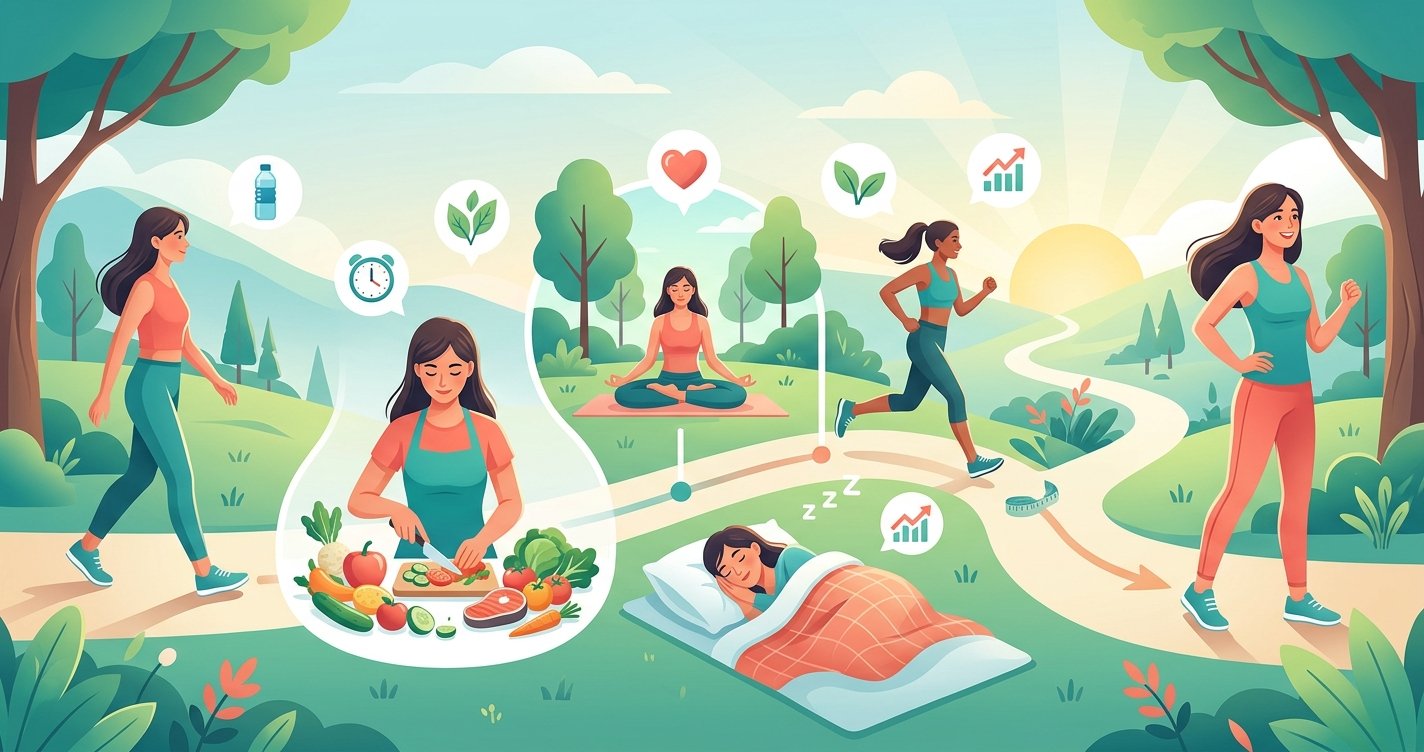
Are you tired of the endless cycle of crash diets, quick fixes, and the frustrating rebound effect? You’re not alone. Millions embark on fat loss journeys each year, only to find themselves back where they started, feeling defeated and discouraged. The truth is, sustainable fat loss isn't about deprivation or extreme measures; it's about understanding your body and building lasting habits that support your health and well-being in the long run. This isn't just another diet plan; it's a science-backed guide to transforming your relationship with food, movement, and yourself, paving the way for results that stick.
Why Most Diets Fail (And What to Do Instead)
Before we dive into what works, let's understand why so many conventional diets fall short. Many popular diets promise rapid weight loss by severely restricting calories, cutting out entire food groups, or relying on unsustainable rules. While you might see initial results, this approach often backfires. this excellent wellness product
The Crash Diet Conundrum
Crash diets trigger your body's survival mechanisms. When you drastically cut calories, your metabolism can slow down to conserve energy, making it harder to lose weight. Moreover, severe restriction often leads to intense cravings, nutrient deficiencies, and a poor relationship with food. Once the 'diet' ends, most people revert to old eating patterns, and the lost weight, often accompanied by a little extra, quickly returns. This 'yo-yo' effect is detrimental to both your physical and mental health.
Shifting Your Mindset: From “Diet” to “Lifestyle”
The key to lasting fat loss isn't about what you stop doing, but what you start doing consistently. Instead of viewing fat loss as a temporary fix, embrace it as a journey towards a healthier lifestyle. This shift in perspective is incredibly powerful. It moves you away from a mindset of punishment and restriction towards one of nourishment, strength, and self-care. It's about making choices you can maintain indefinitely, not just for a few weeks.
The Core Pillars of Sustainable Fat Loss
Sustainable fat loss is built on a foundation of balanced nutrition, consistent movement, and a holistic approach to well-being. Let's break down the essential components.
Nutrition: Fueling Your Body, Not Depriving It
Forget starvation; sustainable fat loss is about smart eating. It comes down to creating a modest calorie deficit – consuming slightly fewer calories than your body burns – but doing so in a way that keeps you full, energized, and nourished.
- Protein Power: Prioritize lean protein sources like chicken, fish, eggs, tofu, and legumes. Protein is incredibly satiating, helping you feel fuller for longer, and crucial for preserving muscle mass during fat loss. Aim for 20-30 grams of protein per meal.
- Fiber-Rich Foods: Load up on fruits, vegetables, and whole grains. Fiber adds bulk to your meals, aids digestion, and contributes to satiety, making it easier to manage your calorie intake without feeling deprived.
- Healthy Fats: Don't fear fats! Healthy fats from avocados, nuts, seeds, and olive oil are vital for hormone production, nutrient absorption, and keeping you satisfied. Just be mindful of portion sizes, as fats are calorie-dense.
- Hydration is Key: Often overlooked, adequate water intake is crucial. Sometimes, what feels like hunger is actually thirst. Drinking water before meals can also help reduce overall food intake.
- Mindful Eating: Pay attention to your body's hunger and fullness cues. Eat slowly, savor your food, and avoid distractions. This helps you recognize when you're truly satisfied, preventing overeating.
Movement: Finding Joy in Being Active
Exercise isn't just about burning calories; it's about building strength, boosting your metabolism, improving mood, and enhancing overall health. Find activities you genuinely enjoy to ensure consistency.
- Strength Training is Your Secret Weapon: Building muscle is incredibly beneficial for fat loss. Muscle tissue is metabolically active, meaning it burns more calories at rest than fat tissue. Incorporate 2-3 full-body strength training sessions per week.
- Cardio for Heart Health and Calorie Burn: Activities like brisk walking, jogging, cycling, or swimming are excellent for cardiovascular health and contribute to your daily calorie expenditure. Aim for at least 150 minutes of moderate-intensity cardio per week.
- NEAT (Non-Exercise Activity Thermogenesis): These are the calories you burn from everyday movements outside of structured exercise. Take the stairs, park further away, walk during phone calls, or stand more often. These small changes add up significantly over time.
- Consistency Over Intensity: It's better to do a moderate workout consistently than to attempt intense workouts you can't sustain. Find your rhythm and stick with it.
Beyond Diet and Exercise: The Unsung Heroes of Fat Loss
While nutrition and movement are foundational, several other factors play a critical role in your body's ability to lose fat and maintain it. Ignoring these can sabotage even the best efforts.
The Power of Sleep: Rest, Recovery, and Hormones
Sleep isn't a luxury; it's a non-negotiable component of health and fat loss. When you're sleep-deprived, your body's hunger-regulating hormones go haywire. Ghrelin (the hunger hormone) increases, while leptin (the satiety hormone) decreases, leading to increased cravings, especially for high-calorie, sugary foods. Lack of sleep also elevates cortisol levels, which can promote fat storage, particularly around the midsection. Aim for 7-9 hours of quality sleep per night.
Stress Management: Taming the Cortisol Beast
Chronic stress is a silent killer of fat loss progress. When stressed, your body releases cortisol, the 'stress hormone.' While essential in acute situations, chronically elevated cortisol levels can lead to increased appetite, cravings for comfort foods, and a tendency to store fat around the abdomen. Finding healthy ways to manage stress – whether through meditation, yoga, spending time in nature, journaling, or hobbies – is crucial for both mental well-being and physical results.
Consistency and Patience: The Long Game
Sustainable fat loss is a marathon, not a sprint. There will be good days and challenging days. Progress isn't always linear, and the scale might not always cooperate. The key is consistency. Stick to your habits even when motivation wanes. Be patient with yourself and trust the process. Celebrate small victories – fitting into clothes better, having more energy, feeling stronger – rather than solely focusing on the number on the scale.
Building Your Personalized Sustainable Fat Loss Plan
Ready to start building habits that last? Here’s how to put it all together:
- Start Small, Stay Consistent: Don't try to overhaul everything at once. Pick one or two habits to focus on each week. Maybe it's adding protein to every meal, drinking more water, or taking a 20-minute walk daily. Small, consistent changes lead to significant results over time.
- Track Progress (But Not Just the Scale): While the scale can be a tool, it doesn't tell the whole story. Also track non-scale victories: how your clothes fit, energy levels, strength gains, improved sleep, mood, and body measurements.
- Seek Support and Be Kind to Yourself: Share your goals with a supportive friend or family member. Consider working with a coach or dietitian if you need personalized guidance. Most importantly, practice self-compassion. There will be slip-ups; don't let them derail your entire journey. Learn from them and get back on track.
Your Journey to Lasting Change Starts Now
Sustainable fat loss isn't about perfection; it's about progress, patience, and persistence. By focusing on nourishing your body, moving regularly, prioritizing sleep, managing stress, and cultivating a positive mindset, you're not just losing weight – you're building a healthier, happier, and more resilient you. Ditch the temporary fixes and embrace the power of lasting habits. Your body, mind, and future self will thank you. Start today, one small, sustainable step at a time.