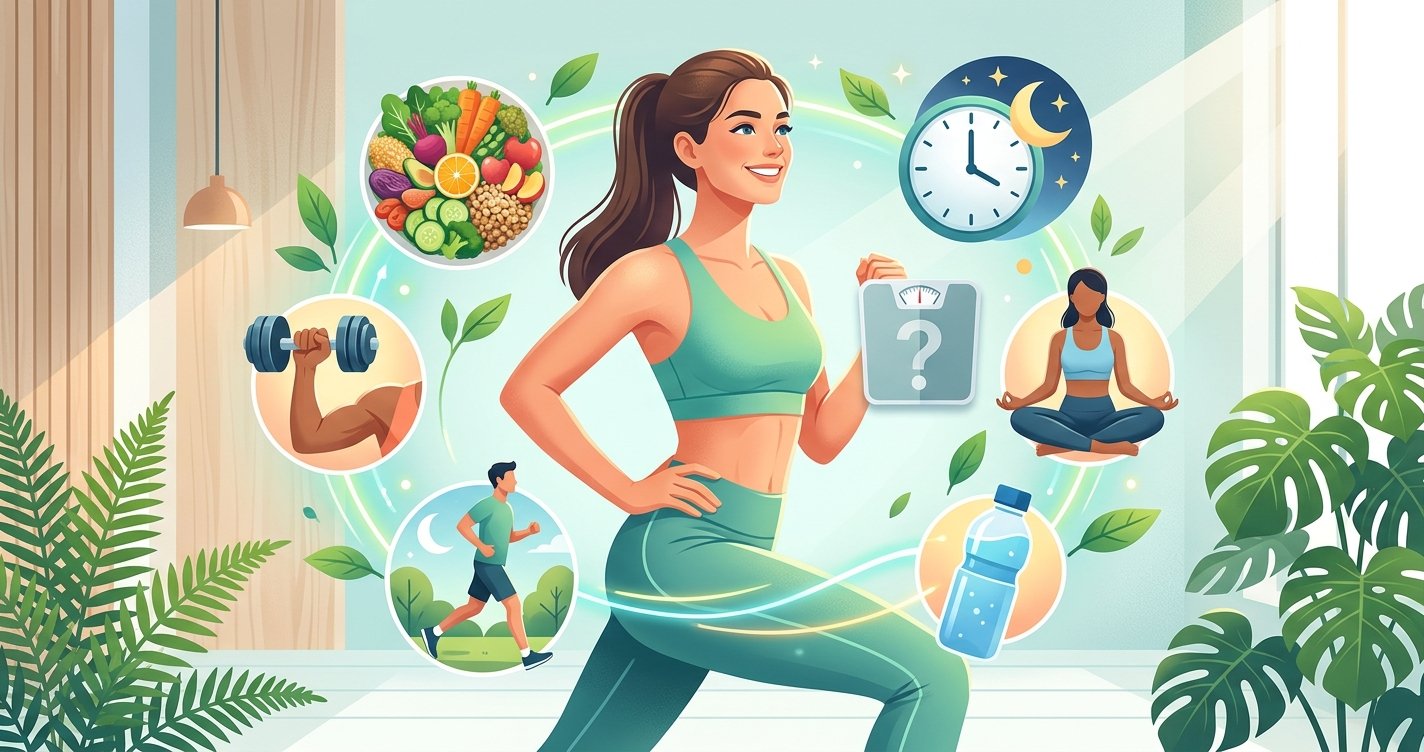
Sustainable Fat Loss: Build Habits That Last Beyond the Scale
Are you tired of the endless cycle of restrictive diets, quick-fix promises, and the frustrating 'yo-yo' effect? Many people embark on a fat loss journey with immense enthusiasm, only to find themselves back where they started, feeling defeated and demotivated. The truth is, sustainable fat loss isn't about deprivation or extreme measures; it's about building healthy, consistent habits that integrate seamlessly into your life.
This isn't another fad diet article. This is an evidence-based, encouraging guide to understanding the core principles of fat loss and, more importantly, how to cultivate the lifestyle changes that will lead to lasting results. We're going to explore how to nourish your body, move effectively, prioritize crucial recovery, and master the mindset needed to achieve a healthier, happier you – for good! this excellent wellness product
The Core Principle: Understanding Your Calorie Deficit
Let's get one thing straight: at its heart, fat loss requires a calorie deficit. This means you need to consume fewer calories than your body burns over time. Sounds simple, right? While the principle is straightforward, the *how* is where sustainability comes in. Starving yourself or drastically cutting calories is a recipe for failure, leading to muscle loss, nutrient deficiencies, and an inevitable rebound.
Instead, our focus is on achieving this deficit intelligently. This means making smart food choices that keep you full and nourished, engaging in physical activity that boosts your metabolism, and ensuring your body is functioning optimally. It's about finding the sweet spot where you're losing fat steadily without feeling constantly hungry or deprived. Think of it as a gentle nudge towards a healthier balance, not a drastic overhaul.
Fueling for Success: Nutrition Strategies That Stick
Your plate is your most powerful tool in the fat loss journey. But instead of focusing on what to eliminate, let's focus on what to include more of:
Prioritize Protein
Protein is your best friend for fat loss. It's highly satiating, meaning it keeps you feeling full for longer, reducing the urge to snack. Furthermore, protein is crucial for preserving lean muscle mass, which is vital because muscle burns more calories at rest than fat. Aim for a good source of protein at every meal: lean meats, poultry, fish, eggs, dairy, legumes, and plant-based protein powders.
Embrace Whole Foods
Shift your focus towards whole, unprocessed foods. Think fruits, vegetables, whole grains, and healthy fats. These foods are packed with essential vitamins, minerals, and fiber. Fiber, especially, contributes to satiety, aids digestion, and helps regulate blood sugar levels, preventing those energy crashes and subsequent cravings.
Hydration is Key
Often overlooked, water plays a critical role. Staying well-hydrated can help you feel fuller, boost metabolism, and even improve energy levels. Sometimes, what feels like hunger is actually just thirst. Make water your primary beverage and aim for at least 8 glasses a day, more if you're active.
Mindful Eating
Slow down. Pay attention to your food. How does it taste, smell, and feel? Eating mindfully means listening to your body's hunger and fullness cues. Avoid distractions like screens while eating. This practice helps you recognize when you're truly satisfied, preventing overeating and fostering a healthier relationship with food.
Move Your Body: Exercise for More Than Just Calorie Burn
While nutrition is paramount, physical activity complements your efforts beautifully. It's not just about burning calories; it's about building strength, improving cardiovascular health, boosting mood, and shaping your body.
Strength Training for Body Composition
Don't skip the weights! Strength training is incredibly effective for fat loss. Building muscle not only makes you stronger but also increases your resting metabolic rate, meaning your body burns more calories even when you're not exercising. Aim for 2-3 full-body strength training sessions per week. You don't need a gym; bodyweight exercises are a fantastic starting point.
Consistent Cardio for Heart Health and Fat Burning
Cardiovascular exercise, like brisk walking, jogging, cycling, or swimming, is excellent for heart health and burns calories efficiently. Find an activity you enjoy and aim for at least 150 minutes of moderate-intensity cardio per week. Consistency beats intensity here.
NEAT: The Power of Everyday Movement
Non-Exercise Activity Thermogenesis (NEAT) refers to the calories you burn through everyday activities outside of structured exercise. Think walking more, taking the stairs, standing instead of sitting, fidgeting. These small movements add up significantly throughout the day and contribute substantially to your overall calorie expenditure.
Find What You Love
The best exercise is the one you'll actually do. Experiment with different activities until you find something that you genuinely enjoy. Whether it's dancing, hiking, yoga, or team sports, making exercise fun is key to long-term adherence.
The Hidden Pillars: Sleep, Stress, and Hydration Revisited
Beyond diet and exercise, three often-underestimated factors profoundly impact your ability to lose fat and keep it off.
Quality Sleep: Your Fat Loss Ally
Lack of sleep can sabotage your fat loss efforts in multiple ways. It disrupts hormones that regulate hunger and satiety (ghrelin and leptin), making you feel hungrier and crave unhealthy foods. Poor sleep also increases cortisol (the stress hormone), which can promote fat storage, especially around the belly. Aim for 7-9 hours of quality sleep per night.
Stress Management: Taming Cortisol
Chronic stress keeps cortisol levels elevated, which, as mentioned, can hinder fat loss and encourage fat storage. Finding healthy ways to manage stress – meditation, yoga, deep breathing, spending time in nature, or engaging in hobbies – is crucial for both your mental well-being and your waistline.
Hydration's Deeper Role
We touched on hydration for satiety, but it's worth reiterating its importance. Water is essential for every bodily function, including metabolism. Dehydration can slow down your metabolic rate and even impact your energy levels and exercise performance. Keep that water bottle handy!
Cultivating a Resilient Mindset: Your Long-Term Ally
Fat loss is as much a mental game as it is a physical one. Your mindset will determine your success in the long run.
Patience and Consistency: It's a Journey
Sustainable fat loss takes time. There will be plateaus, slow weeks, and perhaps even slight increases. Understand that this is normal. Focus on consistent effort over perfection. Celebrate small victories and trust the process.
Self-Compassion: Bouncing Back from Setbacks
You're human. There will be days when you don't stick to your plan perfectly. Instead of self-criticism, practice self-compassion. Acknowledge the slip-up, learn from it, and get back on track with kindness. One off-plan meal or day doesn't derail your entire journey.
Focus on Non-Scale Victories
The scale doesn't tell the whole story. Pay attention to other indicators of progress: your clothes fitting better, increased energy levels, improved strength, better sleep, clearer skin, or a brighter mood. These non-scale victories are powerful motivators.
Ditch Perfectionism: Aim for Progress, Not Perfection
The pursuit of perfection often leads to burnout. Aim for consistent progress. It's okay if every meal isn't perfectly clean or every workout isn't your personal best. Consistency in good habits, even when imperfect, will yield far better results than sporadic attempts at perfection.
Building Your Personalized Fat Loss Toolkit: Small Steps, Big Impact
Ready to start building your sustainable habits? Here are some practical steps:
Start Small, Build Gradually
Don't try to change everything at once. Pick one or two habits to focus on first – maybe adding a serving of vegetables to each meal or going for a 20-minute walk daily. Once those are established, add another. This gradual approach is much more sustainable.
Plan Ahead for Success
Meal prepping, planning your workouts, and even scheduling your sleep can make a huge difference. When you remove the need to make spontaneous decisions (which are often less healthy), you set yourself up for success.
Track Progress (Not Just Weight)
While the scale can be a tool, don't let it be your only measure. Take progress photos, measure your body circumference, note how your clothes fit, track your energy levels, and celebrate improvements in strength or endurance. These holistic measures provide a more complete picture of your transformation.
Seek Support and Accountability
Share your goals with a trusted friend, family member, or join a supportive community. Having someone to cheer you on, or even a professional like a coach or dietitian, can provide invaluable motivation and guidance.
Conclusion
Sustainable fat loss isn't a destination; it's a journey of continuous improvement and self-discovery. By focusing on building consistent, healthy habits around nutrition, movement, sleep, stress management, and cultivating a resilient mindset, you're not just losing weight – you're transforming your entire lifestyle. Embrace the process, be patient with yourself, and celebrate every step forward. Your body, mind, and long-term health will thank you for it. Start today, one small, sustainable habit at a time, and watch the lasting changes unfold.