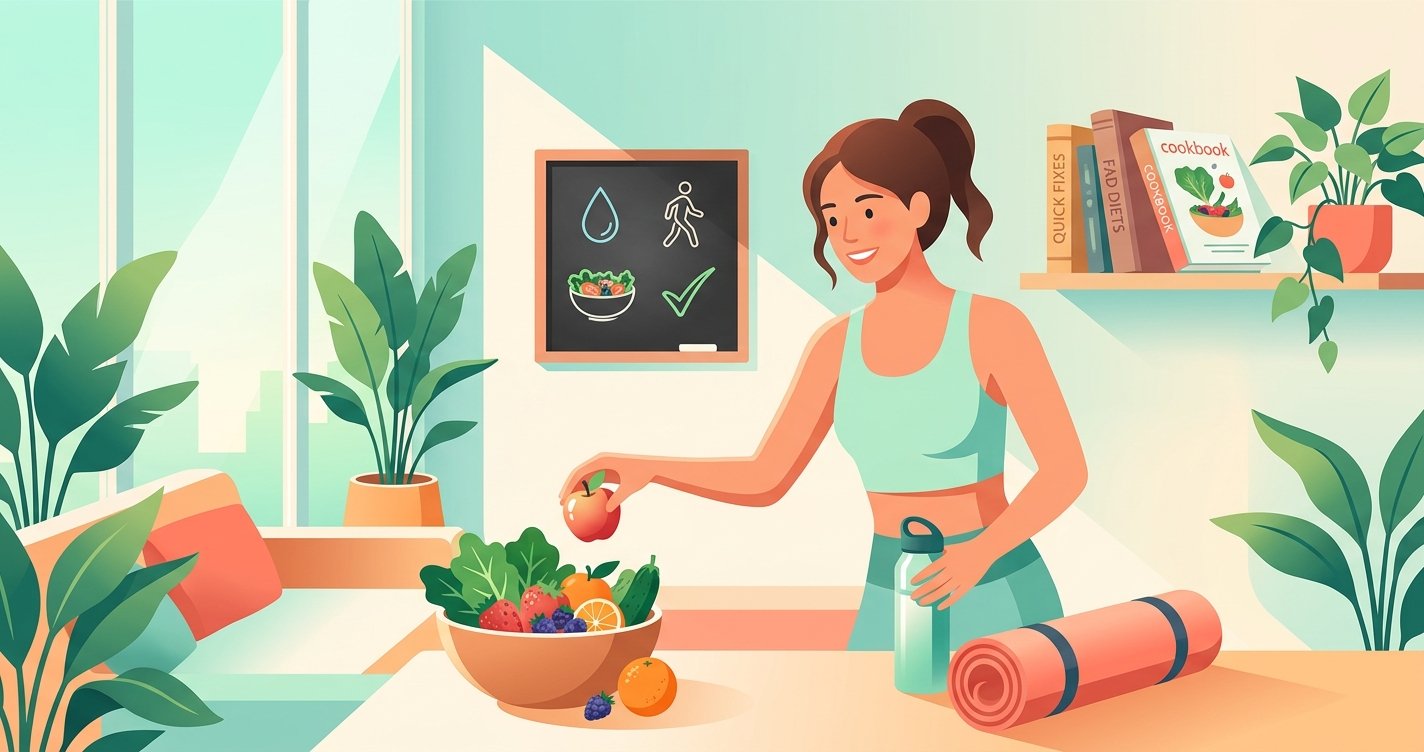
Tired of the Yo-Yo? Discover Sustainable Fat Loss Habits!
Have you ever started a new diet with high hopes, only to find yourself back where you began (or even a little heavier) just a few months later? You're not alone. The world of fat loss is often riddled with quick fixes, extreme restrictions, and promises that rarely deliver long-term results. But what if there was a better way? A way to shed unwanted fat, keep it off, and feel great, all without constant deprivation or feeling like you're fighting an uphill battle?
The secret isn't a secret at all – it's about building sustainable habits. This isn't about a temporary diet; it's about making small, consistent changes that transform your relationship with food, activity, and your body. In this guide, we’ll explore evidence-based strategies to help you achieve lasting fat loss, focusing on practical, friendly, and encouraging steps you can integrate into your everyday life. this excellent wellness product
Why Crash Diets Fail (And What to Do Instead)
Crash diets, often characterized by extreme calorie restriction, cutting out entire food groups, or relying on specific supplements, can indeed lead to rapid initial weight loss. However, this success is almost always short-lived. Why? Our bodies are incredibly adaptable, but they also prioritize survival. When faced with severe calorie deficits, your metabolism can slow down to conserve energy, and you often lose precious muscle mass along with fat. Muscle is metabolically active, meaning it burns more calories at rest, so losing it makes future fat loss even harder.
Beyond the physical toll, crash diets are mentally and emotionally exhausting. The constant feeling of deprivation can lead to intense cravings, emotional eating, and eventually, a rebound effect where you regain the lost weight, sometimes more, a phenomenon known as “yo-yo dieting.” This cycle can damage your metabolism, your relationship with food, and your self-esteem.
Instead of chasing quick fixes, we need to shift our focus to gradual, consistent changes. This approach respects your body, nurtures your mind, and builds a foundation for lifelong health and a body composition you're happy with.
The Cornerstone: Mastering Your Calorie Intake (Without Obsession)
Understanding Energy Balance: The Science Simplified
At its core, fat loss boils down to one fundamental principle: creating a calorie deficit. This means consistently consuming slightly fewer calories than your body expends. Your body then taps into its stored fat reserves for energy. It's not about starvation; it's about smart, strategic eating that provides your body with the nutrients it needs while encouraging fat burning.
Think of it like this: your body needs a certain amount of fuel to function (your Basal Metabolic Rate or BMR) plus extra for physical activity. If you give it less fuel than it needs from food, it will get the rest from your fat stores. The key is to find a deficit that is manageable and sustainable – usually 300-500 calories below your maintenance level is a good starting point for steady, healthy fat loss (around 1-2 pounds per week).
Practical Tips for Calorie Awareness
- Short-Term Tracking: For a few days or weeks, try using a food tracking app. This isn't about obsessing, but rather gaining invaluable insight into the calorie content of your usual meals and snacks. You might be surprised!
- Portion Control: Learn to recognize appropriate portion sizes. Use your hand as a guide: a palm-sized portion of protein, a cupped hand for carbs, a thumb-sized portion for fats.
- Focus on Whole Foods: Unprocessed foods like lean proteins, vegetables, fruits, and whole grains are naturally lower in calories for their volume and higher in nutrients, making them more filling.
- Read Labels: Pay attention to serving sizes and nutritional information, especially for packaged foods.
Fueling Your Body Right: Macronutrients for Fat Loss
While calories are king for fat loss, the *type* of calories you consume matters immensely for satiety, energy, and preserving muscle. This is where macronutrients – protein, carbohydrates, and fats – come into play.
Protein: Your Fat Loss Ally
Protein is crucial for fat loss for several reasons. It's highly satiating, meaning it keeps you feeling fuller for longer, reducing the urge to snack. It also has a higher thermic effect of food (TEF) than carbs or fats, meaning your body burns more calories digesting it. Most importantly, adequate protein intake helps preserve muscle mass during a calorie deficit, which is vital for maintaining a healthy metabolism. Aim for 0.7-1 gram of protein per pound of body weight.
- Good Sources: Lean meats (chicken, turkey), fish, eggs, dairy (Greek yogurt, cottage cheese), legumes, tofu, tempeh, protein powder.
Smart Carbs: Energy and Fiber
Carbohydrates are your body's primary energy source. Don't fear them! The key is choosing the right kind. Complex carbohydrates (whole grains, vegetables, fruits) are rich in fiber, which aids digestion, promotes fullness, and helps stabilize blood sugar levels, preventing energy crashes and cravings. Simple carbohydrates (sugary drinks, refined pastries) offer quick energy but often lead to a crash and hunger soon after.
- Good Sources: Oats, brown rice, quinoa, sweet potatoes, whole-grain bread, all types of vegetables and fruits.
Healthy Fats: Essential for Health and Satiety
Fats are vital for hormone production, nutrient absorption, and long-term satiety. While they are calorie-dense, healthy fats in moderation are an important part of a fat loss diet. They can help you feel satisfied after meals and prevent overeating later.
- Good Sources: Avocados, nuts, seeds, olive oil, fatty fish (salmon, mackerel).
Move Your Body, Boost Your Metabolism: The Power of Activity
While nutrition is paramount, physical activity plays a critical supporting role in fat loss and overall health. It helps create a calorie deficit, builds muscle, and improves your mood and energy levels.
Strength Training: Your Secret Weapon
Often overlooked by those focusing solely on cardio, strength training is incredibly effective for fat loss. Building muscle not only sculpts your physique but also increases your resting metabolic rate. This means you burn more calories even when you're not exercising! Aim for 2-4 strength training sessions per week, focusing on compound movements that work multiple muscle groups.
Cardiovascular Exercise: Heart Health and Calorie Burn
Cardio, such as brisk walking, jogging, cycling, or swimming, is excellent for burning calories, improving cardiovascular health, and boosting your mood. You don't need to spend hours on a treadmill; even 30 minutes of moderate-intensity cardio most days of the week can make a significant difference. Find an activity you enjoy to make it sustainable!
NEAT: The Unsung Hero of Daily Burn
NEAT stands for Non-Exercise Activity Thermogenesis – it's all the calories you burn from movement that isn't formal exercise. This includes walking to the kitchen, fidgeting, taking the stairs, gardening, or standing at your desk. Increasing your NEAT throughout the day can significantly contribute to your overall calorie expenditure without feeling like a workout.
- Simple Ways to Increase NEAT: Take the stairs, park further away, walk during phone calls, stand more, do household chores, play with pets or children.
Mindset Matters: Cultivating a Sustainable Approach
Your mental game is just as important as your physical efforts when it comes to sustainable fat loss. A positive, patient, and resilient mindset will carry you through challenges and ensure long-term success.
The Power of Patience and Consistency
Fat loss is a marathon, not a sprint. There will be weeks when the scale doesn't move, or even fluctuates upwards. This is normal! Focus on consistency over perfection. Celebrate non-scale victories, like increased energy, clothes fitting better, or improved strength. Trust the process, and remember that small, consistent actions compound into significant results over time.
Mindful Eating: Connecting with Your Body
Mindful eating involves paying full attention to your food – how it looks, smells, tastes, and feels. It also means listening to your body's hunger and fullness cues. This practice can help you avoid overeating, enjoy your meals more, and distinguish between physical hunger and emotional cravings.
- Tips for Mindful Eating: Eat slowly, chew thoroughly, put your fork down between bites, avoid distractions (TV, phone), check in with your hunger levels before and during the meal.
Sleep and Stress Management: Often Overlooked
Lack of sleep and chronic stress can wreak havoc on your fat loss efforts. Poor sleep disrupts hormones that regulate appetite (ghrelin and leptin), leading to increased hunger and cravings, especially for unhealthy foods. Stress elevates cortisol, a hormone that can promote fat storage, particularly around the midsection. Prioritize 7-9 hours of quality sleep and find healthy ways to manage stress, such as meditation, yoga, spending time in nature, or engaging in hobbies.
Building Your Toolkit: Simple Habits for Long-Term Success
Here are some practical habits you can start building today:
- Hydrate Regularly: Drink plenty of water throughout the day. Sometimes thirst is mistaken for hunger.
- Plan Your Meals: Meal prepping or at least planning your meals in advance can prevent impulsive, unhealthy food choices.
- Smart Snacking: If you need snacks, choose protein-rich options like Greek yogurt, nuts, or a piece of fruit with a small handful of almonds.
- Listen to Your Body: Pay attention to how different foods make you feel. Adjust your diet based on your body's unique response.
- Seek Support: Share your goals with a trusted friend, family member, or join a supportive community.
- Forgive Slip-Ups: One 'bad' meal or missed workout doesn't derail your progress. Acknowledge it, learn from it, and get back on track with your next meal or activity.
Your Journey to Lasting Fat Loss Starts Now
Sustainable fat loss isn't about perfection; it's about progress, patience, and consistency. By focusing on building healthy habits around nutrition, activity, and mindset, you can step off the yo-yo diet roller coaster for good. Embrace this journey as an opportunity to not just transform your body, but to cultivate a healthier, happier, and more energetic you from the inside out. You have the power to create lasting change – one sustainable habit at a time.