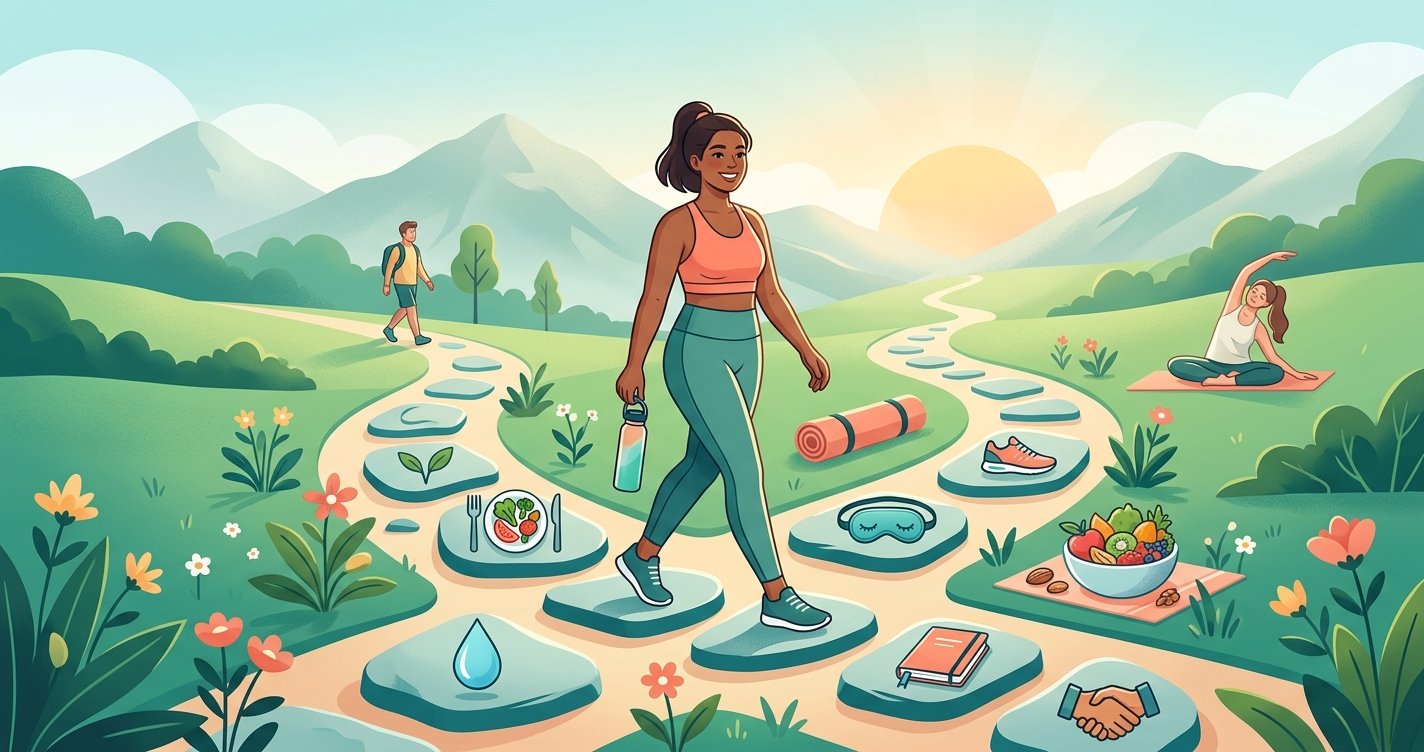
Embrace Sustainable Fat Loss: Your Path to Lasting Results
Are you tired of the endless cycle of crash diets, rapid weight loss, and inevitable rebound? You're not alone. The world of fat loss is often dominated by quick fixes and extreme measures that promise the moon but deliver only frustration and a damaged relationship with food. What if there was a better way? A way to achieve your fat loss goals that's not only effective but also enjoyable, sustainable, and empowering?
Welcome to the world of sustainable fat loss. This isn't about deprivation or overnight transformations; it's about building healthy habits, understanding your body, and making lifestyle changes that you can maintain for life. It's about achieving lasting results, not just temporary wins. Let's ditch the diet mentality and embark on a journey that prioritizes your well-being, energy, and long-term success. this excellent wellness product
Why Quick Fixes Fail: The Cycle of Dieting
Before we dive into what works, let's briefly understand why so many traditional diets fall short. Extreme calorie restriction, elimination of entire food groups, and rigid rules often lead to:
- Nutrient Deficiencies: Restricting variety can mean missing out on essential vitamins and minerals.
- Metabolic Adaptation: Your body is smart. When calories are drastically cut, your metabolism can slow down to conserve energy, making further fat loss harder.
- Intense Cravings & Binge Eating: Deprivation often leads to an overwhelming desire for forbidden foods, triggering a cycle of restriction and overeating.
- Muscle Loss: Without adequate protein and resistance training, rapid fat loss often comes with significant muscle loss, which is detrimental to long-term metabolic health.
- Mental & Emotional Toll: Constant hunger, guilt, and the pressure to adhere to strict rules can lead to stress, anxiety, and an unhealthy relationship with food.
The evidence is clear: most people who lose weight rapidly through extreme diets regain it, and often more, within a few years. This isn't a failure of willpower; it's a failure of unsustainable strategy. Our goal is to break this cycle.
The Foundation: A Gentle & Consistent Calorie Deficit
At its core, fat loss comes down to creating a calorie deficit – consuming fewer calories than your body burns. However, the key word here is 'gentle' and 'consistent.' Instead of drastic cuts, aim for a moderate deficit of 300-500 calories below your Total Daily Energy Expenditure (TDEE). This approach allows for steady fat loss (typically 1-2 pounds per week) while preserving muscle mass and minimizing metabolic slowdown.
How to Estimate Your Deficit:
- TDEE Calculators: Use an online TDEE calculator (search 'TDEE calculator') to get an estimate of how many calories your body burns daily based on your age, weight, height, and activity level.
- Track for a Few Days: For a more accurate picture, try tracking your food intake for 3-5 days without intentionally changing anything. If your weight is stable, this gives you a rough idea of your maintenance calories.
- Listen to Your Body: Start with a small reduction and adjust based on how you feel. You should feel slightly hungry occasionally, but not starved or deprived.
A gentle deficit is easier to sustain, provides enough energy for daily activities and workouts, and helps prevent the rebound effect common with extreme dieting.
Fueling Your Body: Prioritizing Nutrient-Dense Foods
While calories matter, the quality of those calories is paramount for sustainable fat loss and overall health. Focus on incorporating whole, unprocessed, nutrient-dense foods into your diet.
Key Pillars of a Fat Loss-Friendly Diet:
- Lean Protein: Essential for satiety, muscle preservation, and a higher thermic effect of food (meaning your body burns more calories digesting protein). Aim for 0.7-1 gram of protein per pound of body weight. Sources: chicken breast, fish, lean beef, eggs, Greek yogurt, lentils, tofu.
- Fruits & Vegetables: Packed with vitamins, minerals, antioxidants, and fiber. They are low in calories and high in volume, helping you feel full without overeating. Fill half your plate with colorful produce!
- Whole Grains: Provide sustained energy and fiber, which aids digestion and satiety. Choose oats, quinoa, brown rice, and whole-wheat bread over refined grains.
- Healthy Fats: Crucial for hormone production, nutrient absorption, and satiety. Include avocados, nuts, seeds, olive oil, and fatty fish in moderation.
- Hydration: Often overlooked, adequate water intake is vital. It can help with satiety, boost metabolism, and support overall bodily functions. Aim for at least 8 glasses a day.
Instead of thinking about what you can't eat, focus on what you can add to make your meals more nourishing and satisfying.
Move Your Body: The Power of Consistent Activity
Exercise is a powerful tool for fat loss, not just for burning calories, but for building muscle, boosting metabolism, improving mood, and enhancing overall health. A balanced approach combines strength training and cardiovascular exercise.
Strength Training (2-4 times per week):
- Preserves & Builds Muscle: Muscle is metabolically active tissue, meaning it burns more calories at rest than fat. Strength training helps you retain muscle during a deficit, ensuring that the weight you lose is primarily fat.
- Boosts Metabolism: The 'afterburn effect' (EPOC) means your body continues to burn calories at an elevated rate for hours after a strength workout.
- Shapes Your Body: Beyond the scale, strength training helps create a more toned and sculpted physique.
Cardiovascular Exercise (2-4 times per week):
- Calorie Burn: Directly contributes to your calorie deficit.
- Heart Health: Improves cardiovascular fitness and endurance.
- Stress Reduction & Mood Boost: Releases endorphins, helping to manage stress and improve mental well-being.
Embrace NEAT (Non-Exercise Activity Thermogenesis):
This refers to all the calories you burn from activities outside of structured exercise – walking, fidgeting, taking the stairs, cleaning. Increasing your NEAT by simply moving more throughout the day can significantly contribute to your calorie deficit without feeling like a strenuous workout.
Master Your Mindset: Consistency, Patience, and Self-Compassion
Fat loss is as much a mental game as it is a physical one. Your mindset will be the ultimate determinant of your long-term success.
- Consistency Over Perfection: You don't need to be perfect every day. Aim for consistency. One 'off' meal or missed workout won't derail your progress if you get back on track with the next one.
- Patience is a Virtue: Sustainable fat loss is a marathon, not a sprint. There will be plateaus and slow weeks. Trust the process, stay consistent, and remember that slow and steady wins the race.
- Non-Scale Victories: Don't let the scale be your only measure of success. Celebrate increased energy, better sleep, clothes fitting differently, stronger lifts, improved mood, and enhanced body confidence.
- Prioritize Sleep: Lack of sleep can disrupt hunger hormones (ghrelin and leptin), increase cravings, and impair recovery. Aim for 7-9 hours of quality sleep per night.
- Manage Stress: Chronic stress can elevate cortisol levels, which can promote fat storage, especially around the midsection. Find healthy ways to manage stress, such as meditation, yoga, spending time in nature, or hobbies.
- Self-Compassion: Be kind to yourself. If you slip up, don't beat yourself up. Learn from it, forgive yourself, and move forward. This journey is about progress, not perfection.
Building Habits That Last: Small Changes, Big Results
The secret to sustainable fat loss lies in transforming temporary actions into permanent habits. Instead of making drastic changes all at once, focus on one or two small, manageable habits at a time.
Actionable Habit-Building Tips:
- Start Small: Instead of overhauling your entire diet, try adding a serving of vegetables to one meal a day. Or commit to a 15-minute walk after dinner.
- Make it Automatic: Plan your meals in advance, prepare healthy snacks, and schedule your workouts like important appointments. The less you have to think about it, the more likely you are to do it.
- Environmental Control: Remove tempting unhealthy foods from your home. Keep healthy options visible and easily accessible.
- Find Your 'Why': Connect with your deeper motivation. Why do you want to lose fat? Is it for health, energy, confidence? Remind yourself of this 'why' when motivation wanes.
- Track & Reflect: Keep a food journal, workout log, or use an app to track your progress. This helps you stay accountable and identify patterns. Reflect on what's working and what needs adjustment.
- Seek Support: Share your goals with a supportive friend, family member, or join an online community. Accountability can be a powerful motivator.
Remember, every small, consistent effort compounds over time into significant results. You are literally building a new, healthier lifestyle, brick by brick.
Your Journey to Lasting Fat Loss
Sustainable fat loss isn't a destination; it's a journey of continuous learning, adaptation, and self-improvement. It's about empowering yourself with knowledge, cultivating patience, and practicing self-compassion. By focusing on a gentle calorie deficit, nutrient-dense foods, consistent activity, and a positive mindset, you're not just losing weight; you're building a healthier, stronger, and more vibrant you.
Ditch the quick fixes and embrace the power of sustainable habits. Your body, mind, and future self will thank you for it. Start today, one small, consistent step at a time, and watch as you transform not just your body, but your entire life.