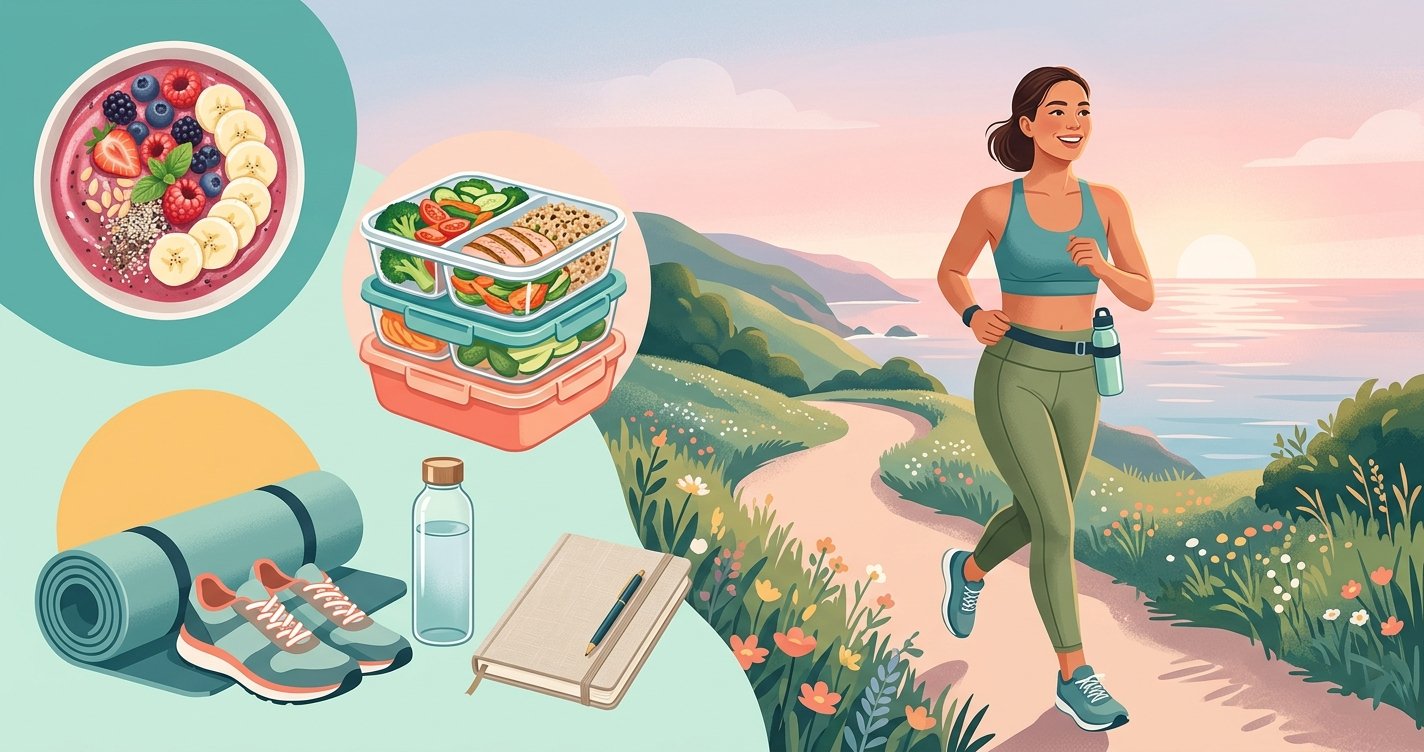
Are you tired of the endless cycle of restrictive diets, intense workouts, and disappointing results when it comes to fat loss? You're not alone. Many of us fall into the trap of seeking quick fixes, only to find ourselves back where we started, often feeling more frustrated and defeated. The truth is, sustainable fat loss isn't about deprivation or extreme measures; it's about building healthy, lasting habits that become an effortless part of your life. This isn't a race; it's a journey towards a healthier, happier you.
This guide will show you how to shift your focus from temporary solutions to long-term success, backed by evidence and a friendly, encouraging approach. Let's ditch the diet mentality and embrace a lifestyle that supports your body, mind, and fat loss goals for good. this excellent wellness product
Why Quick Fixes Fail (and What Works Instead)
The Yo-Yo Cycle Explained
Crash diets and extreme workout routines might offer rapid initial weight loss, but they are rarely sustainable. Our bodies are designed to adapt. When you severely restrict calories, your metabolism can slow down as a survival mechanism. This makes it harder to continue losing fat and easier to regain it once you return to normal eating patterns. This frustrating 'yo-yo effect' not only impacts your physical health but also your mental well-being, leading to feelings of failure and hopelessness.
The Power of Habits: Small Changes, Big Impact
Instead of drastic overhauls, think about building small, consistent habits. Imagine brushing your teeth – you don't think about it, you just do it. That's the power of a habit. Research shows that consistent, small changes are far more effective for long-term fat loss than dramatic, short-lived efforts. These tiny victories accumulate over time, leading to significant, lasting transformation without feeling overwhelmed.
Pillar 1: Smart Nutrition – Fueling Your Body, Not Depriving It
Nutrition is the cornerstone of fat loss. But smart nutrition isn't about eating less; it's about eating better. It's about nourishing your body with nutrient-dense foods that support your energy levels, satiety, and overall health.
Calorie Deficit Done Right
At its core, fat loss requires a calorie deficit – consuming slightly fewer calories than your body burns. However, this doesn't mean starving yourself. A modest deficit (around 300-500 calories below maintenance) allows for steady, sustainable fat loss without triggering extreme hunger or metabolic slowdown. Focus on quality calories that provide satiety and essential nutrients.
Prioritize Protein: Your Satiety Secret Weapon
Protein is incredibly important for fat loss. It helps you feel fuller for longer, reducing overall calorie intake. It also plays a crucial role in preserving muscle mass during a calorie deficit, which is vital because muscle burns more calories at rest than fat. Aim for a good source of protein at every meal.
- Lean Meats: Chicken breast, turkey, lean beef
- Fish: Salmon, cod, tuna
- Eggs: Whole eggs are packed with nutrients
- Dairy: Greek yogurt, cottage cheese
- Legumes: Lentils, beans, chickpeas
- Plant-based: Tofu, tempeh, protein powder
Embrace Whole Foods
Whole, unprocessed foods are your best friends. They are rich in fiber, vitamins, and minerals, and generally lower in calories per volume compared to processed alternatives. Fiber-rich foods like fruits, vegetables, and whole grains contribute to satiety and healthy digestion.
Hydration is Key
Often overlooked, adequate water intake is crucial. Sometimes, thirst can be mistaken for hunger. Drinking enough water can help manage appetite, boost metabolism slightly, and support overall bodily functions. Aim for at least 8 glasses a day, more if you're active.
Mindful Eating: Slow Down and Savor
Practice mindful eating by paying attention to your body's hunger and fullness cues. Eat slowly, chew thoroughly, and put your fork down between bites. This allows your brain time to register satiety, preventing overeating. Enjoy your food without distractions.
Pillar 2: Effective Movement – Find Your Joy in Activity
Exercise isn't just about burning calories; it's about building strength, improving cardiovascular health, boosting mood, and enhancing overall vitality. Find activities you genuinely enjoy, as this is key to long-term consistency.
Strength Training: The Metabolism-Boosting Secret
Don't skip the weights! Strength training is incredibly effective for fat loss because it builds muscle. More muscle means a higher resting metabolism, meaning your body burns more calories even when you're not exercising. Aim for 2-3 full-body strength sessions per week.
Cardiovascular Exercise: Heart Health and Calorie Burn
Cardio, like brisk walking, jogging, cycling, or swimming, is excellent for heart health and burns calories. Aim for at least 150 minutes of moderate-intensity cardio or 75 minutes of vigorous-intensity cardio per week. Mix it up to keep it interesting!
NEAT: The Unsung Hero of Daily Activity
Non-Exercise Activity Thermogenesis (NEAT) refers to the energy expended for everything we do that is not sleeping, eating, or sports-like exercise. This includes walking to work, gardening, fidgeting, and even standing. Boosting your NEAT can significantly increase your daily calorie expenditure without feeling like a workout. Take the stairs, park further away, walk during phone calls.
Pillar 3: Lifestyle Factors – Beyond Diet and Exercise
Fat loss isn't just about what you eat and how you move; it's deeply intertwined with your overall lifestyle. Neglecting these crucial factors can sabotage even the most diligent efforts.
The Crucial Role of Sleep
Lack of sleep disrupts hormones that regulate appetite (ghrelin and leptin), leading to increased hunger and cravings, especially for unhealthy foods. It also impairs insulin sensitivity and recovery from exercise. Aim for 7-9 hours of quality sleep per night to support your body's natural fat-burning and recovery processes.
Stress Management: Cortisol's Impact
Chronic stress elevates cortisol levels, a hormone that can promote fat storage, particularly around the abdominal area. Finding healthy ways to manage stress is vital for fat loss and overall well-being.
- Mindfulness & Meditation: Even 10 minutes a day can make a difference.
- Deep Breathing Exercises: Simple, instant stress reduction.
- Hobbies & Downtime: Engage in activities you enjoy to unwind.
- Nature Walks: Spending time outdoors can significantly reduce stress.
Building a Supportive Environment
Surround yourself with people and environments that support your goals. This might mean having healthy snacks readily available at home, planning meals, or sharing your journey with supportive friends or family members. Accountability and positive influence can make a huge difference.
Pillar 4: Mindset and Patience – The Long Game
Fat loss is a journey, not a destination. It requires patience, self-compassion, and a resilient mindset. There will be good days and challenging days, but consistency and perspective are key.
Ditch Perfectionism, Embrace Progress
No one is perfect, and setbacks are a natural part of any journey. Don't let one 'off' meal or missed workout derail your entire progress. Acknowledge it, learn from it, and get back on track with your next choice. Focus on continuous improvement, not flawless execution.
Focus on Non-Scale Victories
The scale doesn't tell the whole story. Celebrate non-scale victories like increased energy, stronger lifts, clothes fitting better, improved sleep, better mood, or simply feeling more confident and capable. These are powerful motivators that reflect true progress and health improvements.
Seek Support
You don't have to do this alone. Consider working with a coach, joining a supportive community, or confiding in friends and family who can offer encouragement and accountability. A strong support system can be invaluable during challenging times.
Your Action Plan for Lasting Change
Ready to start building your sustainable fat loss habits? Here's a quick recap of actionable steps:
- Start Small: Pick one or two habits to focus on each week.
- Prioritize Protein: Include a lean protein source with every meal.
- Hydrate: Drink plenty of water throughout the day.
- Move More: Incorporate strength training and enjoyable cardio.
- Optimize Sleep: Aim for 7-9 hours of quality sleep.
- Manage Stress: Find healthy coping mechanisms.
- Practice Mindfulness: Eat slowly and listen to your body.
- Be Patient & Kind to Yourself: Celebrate progress, not perfection.
Conclusion
Sustainable fat loss isn't about chasing a number on the scale; it's about transforming your lifestyle and nurturing a healthier, stronger you. By focusing on smart nutrition, consistent movement, vital lifestyle factors like sleep and stress, and a resilient mindset, you're not just losing fat – you're building habits that will serve you for a lifetime. Embrace the journey, be kind to yourself, and celebrate every step of your progress. Your body and mind will thank you for it!