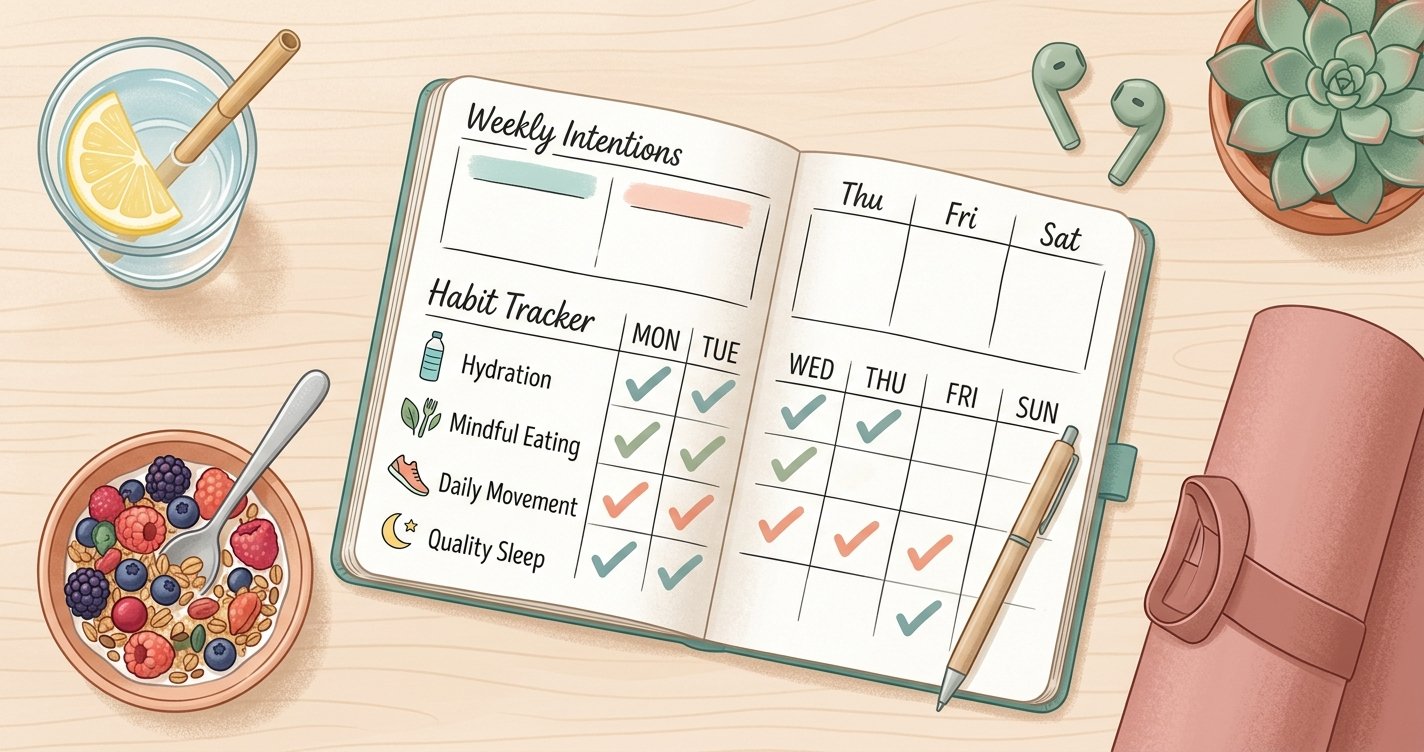
Are you tired of the endless cycle of crash diets, quick fixes, and the frustration of losing weight only to gain it back? You're not alone. In a world obsessed with instant gratification, the promises of rapid fat loss can be incredibly tempting. But here's the honest truth, backed by science and countless real-life experiences: sustainable fat loss isn't about deprivation or extreme measures. It's about building healthy, consistent habits that become a natural part of your life, leading to lasting results and a healthier, happier you.
This isn't just about shedding pounds; it's about transforming your relationship with food, exercise, and your body. Forget the 'before and after' photos that rarely tell the full story. Instead, let's focus on the 'during' – the journey of building a lifestyle that supports your goals for good. this excellent wellness product
The Core Principle: Understanding Your Calorie Deficit, Sustainably
At its heart, fat loss boils down to one fundamental principle: consuming fewer calories than your body expends. This is known as a calorie deficit. When your body doesn't get enough energy from food, it turns to its stored fat reserves for fuel. Simple, right? In theory, yes. In practice, it's where sustainability becomes crucial.
A drastic calorie cut might lead to quick initial weight loss, but it's often unsustainable, leaving you feeling hungry, deprived, and eventually leading to rebound weight gain. Sustainable fat loss involves creating a moderate deficit (typically 300-500 calories below your maintenance level) that allows your body to slowly tap into fat stores without triggering extreme hunger, energy crashes, or muscle loss. You can estimate your daily calorie needs using an online TDEE (Total Daily Energy Expenditure) calculator as a starting point, then adjust based on your progress and how you feel.
Fueling Your Success: Nutrition for Long-Term Fat Loss
When you're aiming for a calorie deficit, the quality of your calories matters immensely. Focusing on nutrient-dense foods helps you feel full, provides essential vitamins and minerals, and supports overall health.
Prioritize Protein: Your Satiety Powerhouse
Protein is your best friend when it comes to fat loss. It's incredibly satiating, meaning it keeps you feeling fuller for longer, reducing the urge to snack. Furthermore, protein helps preserve muscle mass during a calorie deficit, which is vital because muscle burns more calories at rest than fat does. Aim for a good source of lean protein at every meal: chicken breast, fish, lean beef, eggs, Greek yogurt, tofu, or legumes.
Embrace Fiber-Rich Foods: The Gut-Friendly Filler
Fiber, found in vegetables, fruits, whole grains, and legumes, adds bulk to your meals without adding many calories. It aids digestion, helps regulate blood sugar levels, and contributes significantly to satiety. Filling half your plate with colorful vegetables at lunch and dinner is a simple, effective strategy.
Don't Fear Healthy Fats: Essential for Well-being
While fats are calorie-dense, healthy fats are crucial for hormone production, nutrient absorption, and long-term satiety. Incorporate sources like avocados, nuts, seeds, olive oil, and fatty fish (like salmon) in moderation. They add flavor and satisfaction to your meals, making your diet more enjoyable and sustainable.
Hydration is Key: The Often-Overlooked Element
Drinking enough water is a simple yet powerful tool for fat loss. Sometimes, our bodies confuse thirst with hunger. Staying well-hydrated can help manage appetite, boost metabolism slightly, and supports overall bodily functions. Aim for at least 8 glasses (around 2 liters) of water daily, more if you're active.
Mindful Eating: Listen to Your Body
Beyond what you eat, how you eat plays a huge role. Practice mindful eating by slowing down, savoring each bite, and truly paying attention to your body's hunger and fullness cues. Avoid distractions like TV or your phone during meals. This practice helps you recognize when you're truly satisfied, preventing overeating.
Move Your Body, Boost Your Metabolism: Exercise for Fat Loss
While nutrition creates the calorie deficit, exercise amplifies fat loss, improves body composition, and offers a myriad of health benefits. It's not just about burning calories; it's about building strength, endurance, and boosting your metabolism.
Strength Training is Your Best Friend
If there's one exercise you shouldn't skip for fat loss, it's strength training. Building muscle mass is paramount because muscle tissue is metabolically active, meaning it burns more calories at rest than fat tissue. This helps you burn more calories 24/7, even when you're not exercising. Aim for 2-3 full-body strength training sessions per week, focusing on compound movements like squats, deadlifts, push-ups, and rows.
Incorporate Cardio (The Smart Way)
Cardiovascular exercise is excellent for heart health, endurance, and burning additional calories. You don't need to spend hours on the treadmill. A mix of steady-state cardio (like brisk walking, jogging, or cycling) for 30-60 minutes most days, combined with occasional High-Intensity Interval Training (HIIT) sessions (e.g., sprints followed by rest), can be highly effective. The key is to find activities you enjoy, so you're more likely to stick with them.
Find Joy in Movement: Consistency Over Intensity Initially
The best exercise plan is the one you'll actually do consistently. If you dread the gym, find other ways to move your body. Dance, hike, swim, play sports, or simply take more walks. The goal is to increase your overall activity level throughout the day, not just during dedicated workout times. Consistency is far more powerful than sporadic, intense bursts of exercise.
The Unsung Heroes: Lifestyle Factors for Lasting Fat Loss
Fat loss isn't just about diet and exercise; it's deeply intertwined with your overall lifestyle. Overlooking these crucial elements can sabotage even the most well-intentioned efforts.
The Power of Quality Sleep
Sleep might seem unrelated to fat loss, but it's a game-changer. Insufficient sleep disrupts hormones that regulate hunger (ghrelin) and satiety (leptin), often leading to increased cravings for unhealthy foods and overeating. Lack of sleep also raises cortisol (the stress hormone), which can promote fat storage, especially around the belly. Aim for 7-9 hours of quality sleep per night.
Master Your Stress
Chronic stress is another silent saboteur of fat loss. When stressed, your body releases cortisol, which, as mentioned, can encourage fat storage and increase appetite. Finding healthy ways to manage stress – meditation, yoga, spending time in nature, hobbies, or connecting with loved ones – is vital for your physical and mental well-being, and ultimately, for sustainable fat loss.
Consistency Trumps Perfection
Don't let perfection be the enemy of good. You will have off days, indulge in treats, or miss a workout. That's okay! The key is to acknowledge it without guilt and get right back on track with your healthy habits. One less-than-perfect meal or missed gym session doesn't derail your entire journey. It's the cumulative effect of consistent, positive choices that truly matters.
Building Unstoppable Habits: Small Steps, Big Impact
The secret to sustainable fat loss isn't a secret at all: it's about building small, manageable habits that compound over time, leading to significant, lasting change.
Start Small, Build Momentum
Trying to overhaul your entire lifestyle overnight is a recipe for burnout. Instead, pick one or two small habits to focus on each week or month. For example, start by adding a vegetable to every meal, or commit to a 15-minute walk daily. Once that habit feels effortless, add another. This gradual approach builds confidence and makes the journey feel less daunting.
Track Your Progress (Beyond the Scale)
The scale can be a useful tool, but it doesn't tell the whole story. Muscle gain, water retention, and hormonal fluctuations can obscure fat loss. Look for other indicators of progress: how your clothes fit, increased energy levels, improved mood, strength gains in the gym, better sleep, or even progress photos. Celebrate these non-scale victories to stay motivated.
Cultivate a Growth Mindset
View your fat loss journey as an opportunity for personal growth. Embrace challenges as learning experiences, and be kind to yourself when you encounter setbacks. Understand that progress isn't linear, and patience is a virtue. Focus on the process of becoming healthier, stronger, and more confident, rather than solely on the outcome.
Your Journey to Lasting Change
Sustainable fat loss is not a destination; it's a lifelong journey of self-care, learning, and growth. It's about empowering yourself with knowledge, making informed choices, and building a foundation of healthy habits that will serve you for years to come. Ditch the quick fixes and embrace the power of consistency, patience, and self-compassion. You have the ability to transform your body and your life, one sustainable habit at a time. Start today, and commit to a healthier, happier, and more vibrant you.